Tire durability: 4 practices that extend tire life
 Luiz Felipe 5 min read
Tire durability depends on how the driver drives the vehicle, traffic conditions and, especially, the maintenance care you take to extend this item’s useful life.
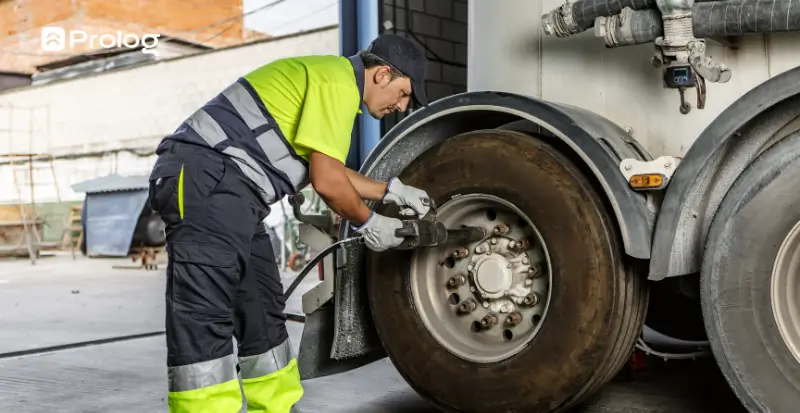
Preventive maintenance is fundamental to caring for tires well and maintaining maximum performance on the road. Through it, the fleet keeps track of pressure, wear, damage, rotation, alignment and balancing, reducing the chance of driving with poorly maintained tires.
There are some ways to “measure” tire durability and keep track of when tires need correction, retreading or replacement, always respecting vehicle specifications and wear indicators. Take a look:
Factors that determine tire durability:
Usage
Do you know what mixing tire types means? It is actually a relatively common mistake. It happens when tires of different dimensions are used on the same vehicle.
To keep assets efficient, attention to tire and wheel compatibility is essential. Different sizes also increase accident risks, impairing vehicle stability.
The manager must also ensure that tires can support the load and speed recommended in the vehicle model’s technical specifications. When replacing them, size, load index and speed index must align with the vehicle’s requirements.
The driver’s driving
The driver must adopt good habits when driving the truck, for two main reasons:
- Their driving style directly affects vehicle damage and failures, fuel economy, among other factors.
- They have the most contact with the vehicle and are generally the first to identify when something is wrong.
In the second case, the driver needs to inform the manager when they notice nonconformities through the fleet inspection checklist.
Paying close attention to changes in steering stability, consumption changes and visible signs of wear can help reveal some tire-related issues, especially when driving involves harsh braking, excessive acceleration or frequent impacts.
Road conditions
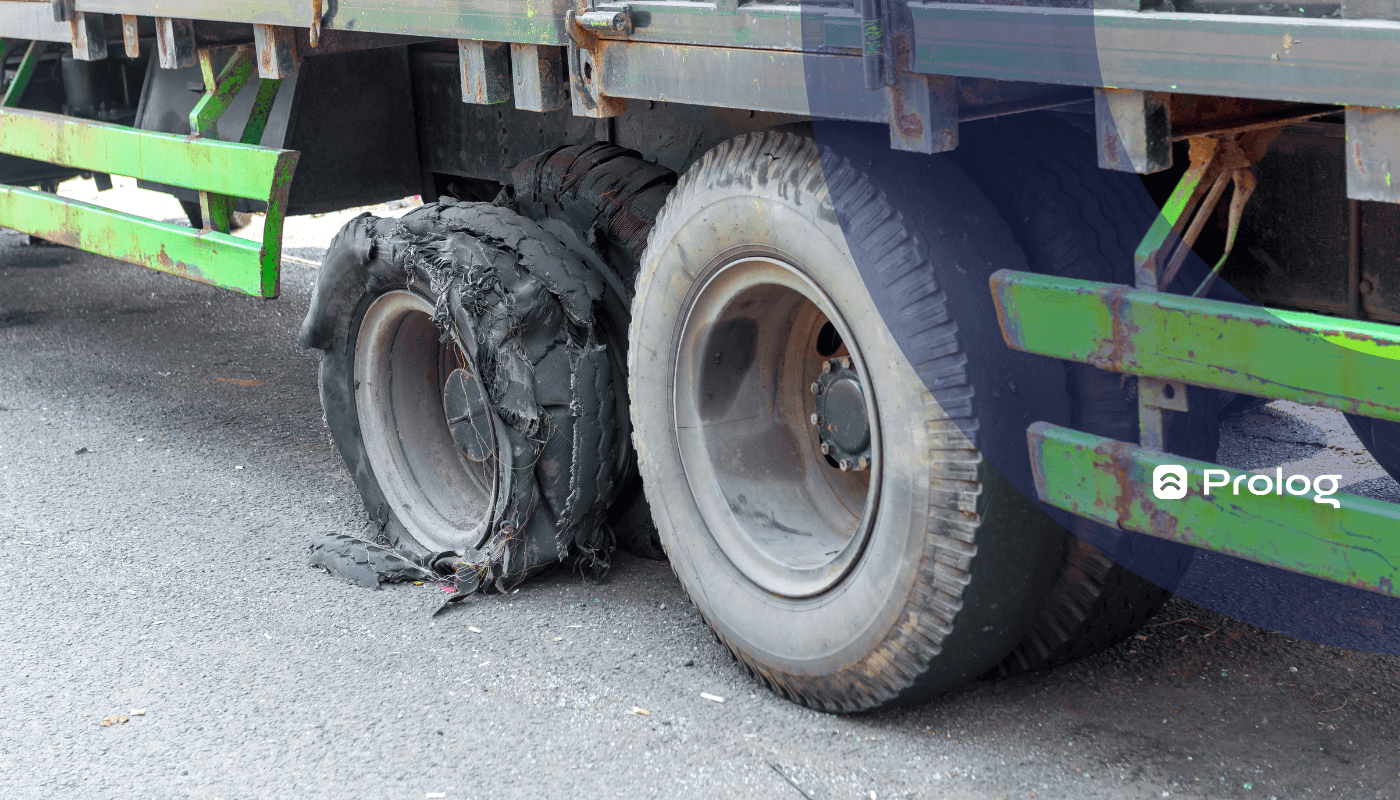
Potholes, large stones and other debris can be very harmful to tire health and, in the worst case, cause punctures, cuts and blowouts that lead to accidents.
The driver must therefore also keep a watchful eye out for foreign objects on the roads.
Although attention is essential, tire damage occurs more frequently in tires that are not in ideal running condition, whether due to under/overinflation or uneven and/or excessive wear. Poorly paved roads, with potholes or uneven surfaces, also contribute to faster wear.
Some other details can directly affect tire durability. For example:
- Raw material quality in production;
- How long the assets have been used;
- The quality of the retreading performed.
Main ways to measure tire durability in the fleet:
Tire wear indicator
The Tire Wear Indicator, better known as TWI, is the main visual sign on the tread. It helps indicate when the tire has reached the wear limit; under Brazilian rules, driving with remaining tread depth below 1.6 mm is prohibited.
This remaining depth can be identified visually by wear indicators placed at the bottom of the tread pattern, and also monitored using measuring instruments. It can be measured with a:
Manual tread probe
The manual tread probe is an option that tends to be more affordable. At the same time, it is less practical and can generate more reading errors when the process is not standardized.
It works by being inserted into the tire, and the driver or manager reads the measurement, recording it on a checklist or directly in the fleet control spreadsheet. This routine must record the measurement consistently because tread depth guides when to assess retreading, replacement or another intervention.
Electronic measuring device
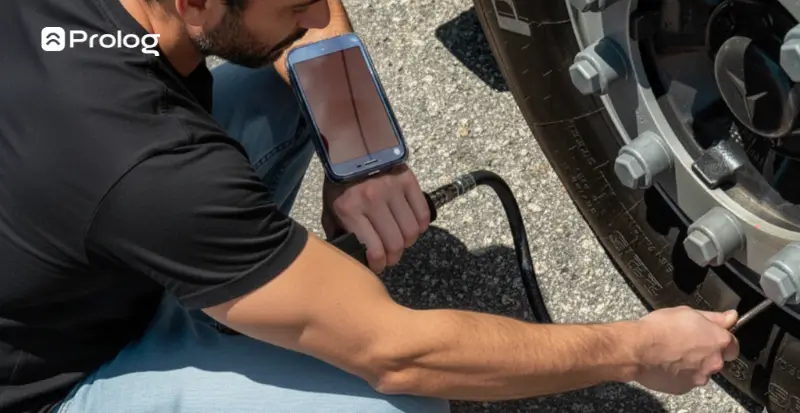
Another way to help determine your fleet tires’ condition is the electronic measuring device. This is a digital calibration and tread depth measuring device, indicating whether pressure is low or high and whether tread grooves are wearing evenly or unevenly.
It also helps keep track of tires, preventing tread wear and increased fuel consumption. Since incorrect pressure can cause uneven wear and reduce tire useful life, frequent measurement helps the manager act before the issue advances.
Tire data management
Fleet tire management is a great ally in determining tire durability, as it offers the possibility of controlling data through spreadsheets when done manually, or through a digital system.
The biggest benefit lies in obtaining organized information without relying on loose notes. With a history of inspections, tread depth, pressure, damage and maintenance, the fleet can control inspection deadlines and schedules, as well as keep better track of tire maintenance.
To increase tire durability, it is important to…
Inflate tires periodically
When you create a fleet routine for inflating tires—for example, every 15 days, if that interval makes sense for the operation and technical guidance adopted—you reinforce vehicle safety and stability while helping extend durability.
Inflating tires also prevents hydroplaning, tire bead unseating, among other issues. It is also worth including checks for correct pressure, tread wear and visible damage in maintenance inspections.
Perform tire rotation
Tire rotation balances wear between front and rear tires due to braking, traction and vehicle load.
The procedure must follow the fleet maintenance plan, applicable technical recommendations and usage conditions. The reference of 10 thousand kilometers traveled can be used as an internal routine when aligned with these criteria, helping improve stability, performance and tire grip on the ground.
Keep tires aligned and balanced
Vehicle alignment and balancing help minimize uneven wear, ensuring that the casing remains intact and retreading is possible. In other words, they help extend tire durability.
If the truck’s steering is shaking or pulling to one side, it is a sign this maintenance is needed. Professional inspection, rotation, balancing and alignment services are part of the recurring care that keeps tires in better condition during use.
Avoid overloading
Driving with excess load is extremely harmful to tires, increasing the pressure they exert on the ground and reducing their road efficiency. Do not exceed the appropriate weight the fleet vehicle can support.
Overloading can cause deformation and even compromise the structure of tires and suspension. Pressure, load, speed, temperature, impacts and road damage are also among the factors influencing tire performance throughout use.
Keep learning more about tire durability and its wear indicator on our channel (video in Portuguese):
Frequently asked questions
What most influences tire durability?
Can I use tires of different sizes on the same vehicle?
How do you measure tire wear in the fleet?
How often should tire rotation be performed?
How often should tires be inflated to extend tire life?
Does overloading damage tires?
// newsletter
Fleet management content, straight to your inbox
Articles on tires, maintenance and fleet operations. No spam.