Tire management roadmap: from purchase to disposal
 Luiz Felipe 4 min read
The tire management roadmap is a tool that clarifies and organizes all the processes involved in this management. This way, no step is neglected or forgotten, ensuring that the results of this management really are positive.
This roadmap provides a more complete view of tire performance, making it easier to control variables such as pressure, wear and the need for rotation, essential elements in keeping the fleet moving safely and economically.
In general, it is a resource for managers that helps turn an area that may seem complex into a simplified, highly efficient process.
Find out more below:
- What a tire management roadmap is
- What this tire control roadmap is for
- Why use this roadmap in your tire management?
- How it differs from a tire map
- How this roadmap works in your operation
What is a tire management roadmap?
The tire management roadmap is a tool that establishes a task flow to provide the necessary, appropriate care for fleet tires, thus creating the ideal conditions for their useful life to be fully used.
In other words, it is a detailed, structured representation of the processes involved in maintaining, checking the condition of and replacing tires in a vehicle fleet.
With this roadmap, it is possible to keep track of the complete tire life cycle, from purchase to disposal, through installation, regular inspections, maintenance, and retreading or repairs.
What is the tire management roadmap for?
It serves as a guide for fleet managers, highlighting each step needed to ensure correct tire use and durability.
This strategic tool aims to optimize tire management, reducing costs associated with premature damage and unnecessary purchases, as well as contributing to fleet safety and operational efficiency.
Why use this roadmap in your tire management?
Using a roadmap not only simplifies keeping track of and maintaining tires but also helps create an optimized routine to generate more coherent, valuable insights for your decision-making.
By detailing every aspect of tire management — from purchase to disposal — this roadmap ensures that each tire is used to its maximum performance and useful life potential.
This reduces cases of casing fatigue and premature tire disposal. In addition, optimizing tire management brings other noticeable benefits, such as reduced fuel consumption and reduced vehicle maintenance needs and costs.
How does it differ from a tire map?
The tire map focuses on physically recording and locating tires in the fleet, highlighting each tire's current location and basic condition, such as identifying whether it is new, used or retreaded.
While it records the locations and basic conditions of each tire in the fleet, the tire management roadmap provides a complete view of tire management processes.
It therefore sets out the steps needed in the tire care routine, from recording the tire ID to analyzing pressure and tread depth data.
How does the tire management roadmap work?
This roadmap acts as a tire management organizer, setting out the sequence of tasks and activities needed for proper tire care. It covers the following processes:
Tire registration and identification
The first stage in the tire management roadmap is registering and identifying each tire in the fleet.
This process involves cataloging essential information, such as type, make, acquisition date and current location on the vehicle, as well as applying a tire hot brand if it does not yet have one.
This record is essential to be able to keep track of each tire individually and manage them more efficiently.
Keeping track of condition
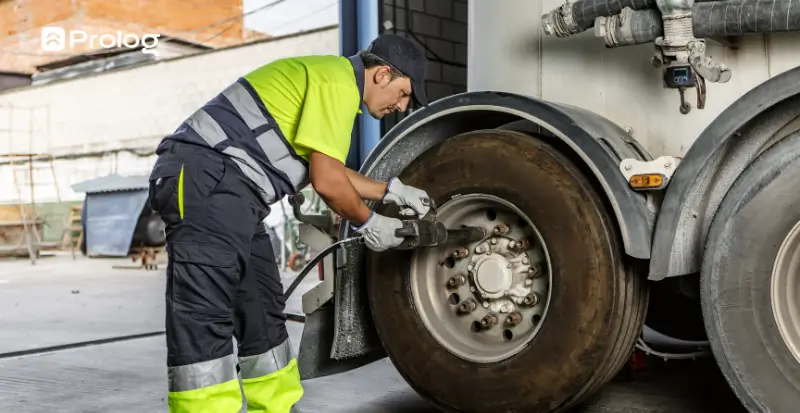
After identification, the tire management roadmap calls for constantly keeping track of tires to understand their condition. This includes regular checks of pressure, tread wear and the overall condition of each asset.
Technological tools, such as the electronic tread probe, a tire management technology, can automate this stage and ensure greater accuracy in data collection.
Data analysis and decision-making
Besides this more operational side, the roadmap also sets out some stages so that you know how to analyze and make more informed decisions based on your tire management.
At this point, the data collected through condition checks is analyzed to assess tire condition and determine the need for maintenance, repairs or replacement.
You can find steps and tips on generating reports about tire performance and condition, as well as assessing the strategies adopted for tire maintenance.
This makes it possible to establish both an operational and administrative routine for identifying areas that need improvement and implementing corrective actions to further optimize fleet tire management.
Start using a ready-made tire management roadmap in your fleet. It will be your practical guide to keeping tires in ideal running condition, optimizing their durability and ensuring road safety.
Click here to get your Prolog tire management flowchart (in Portuguese).
Frequently asked questions
What is the difference between a tire map and a tire management roadmap?
Which stages make up this roadmap in practice?
Why use a tire management roadmap in the fleet?
What should you record when a tire joins the fleet?
Can tire condition checks be automated?
// newsletter
Fleet management content, straight to your inbox
Articles on tires, maintenance and fleet operations. No spam.