Explore tire management processes for your fleet
 Luiz Felipe 6 min read
Understanding tire management processes is essential for working in the logistics and transport industry.
There are now even specializations and specific roles for working as a tire manager.
Because tires cost so much, it is important to have a care routine that reduces damage from running. This can include everything from regular tire calibration to irregular wear analyses.
The role of tire management and including its processes in the fleet's routine is therefore to ensure tires run in good condition and their useful life is used more fully, generating greater savings and safety in transport.
See now:
- What tire management processes are
- Why you need well-defined tire management processes
- The best way to apply and organize tire management processes
- Whether the tire types used affect or change the processes applied
- How tire management processes affect fleet tire selection
- How to use a tire management system to optimize your processes
What are tire management processes?
Purchasing tires
Appropriate tire selection starts with purchasing, which should consider factors such as cargo type, the weight carried and the roads the vehicle will travel on.
This selection ensures purchased tires are suitable for the fleet's specific needs, contributing to trip safety and fuel efficiency.
Hot branding
After purchase, tires undergo hot branding, which establishes an individual identification for each tire.
This procedure helps maintain better control over inventory counts and each tire's condition, enabling tire traceability and helping classify each one by condition (new, used, for repair, disposal), as well as speeding up the count of available tires.
It can even make it easier to identify the best makes and models to meet your fleet's demands.
Inventory and inventory counts
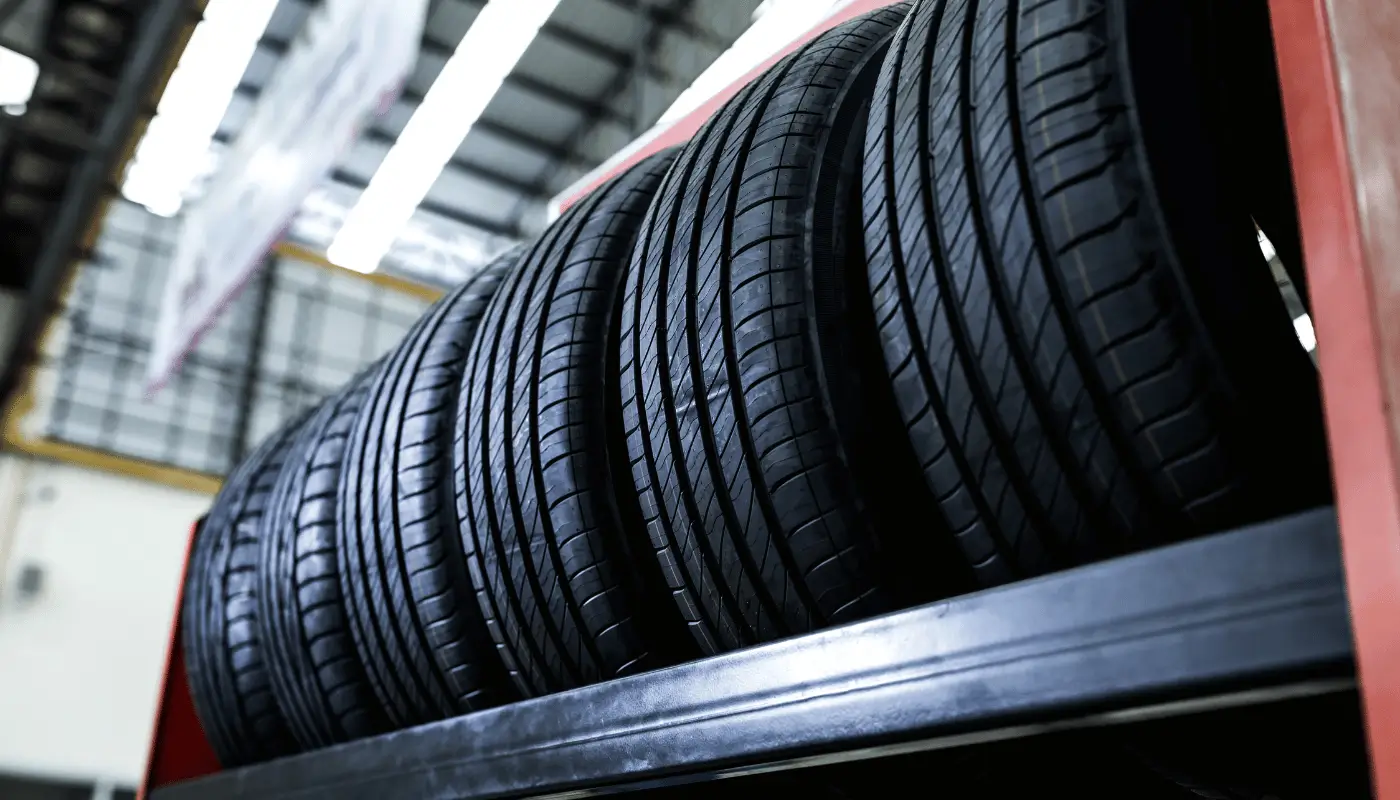
Tires are then stored in a suitable location, where they should be organized according to their classifications.
Proper inventory management is essential to maintain tire quality and ensure tires are available when needed, avoiding delays or supply issues that could affect fleet operations.
Relocation management
This process maintains accurate control and records of tire relocations, from removal from inventory to installation on the vehicle.
It also includes keeping track of tires during rotation between different positions on the vehicle and any other necessary transfers.
This makes it possible to ensure full traceability of each tire, knowing exactly where it is at all times and making management easier.
Tire inspection
The regular tire inspection is performed to identify when tires need maintenance, refurbishment or retreading.
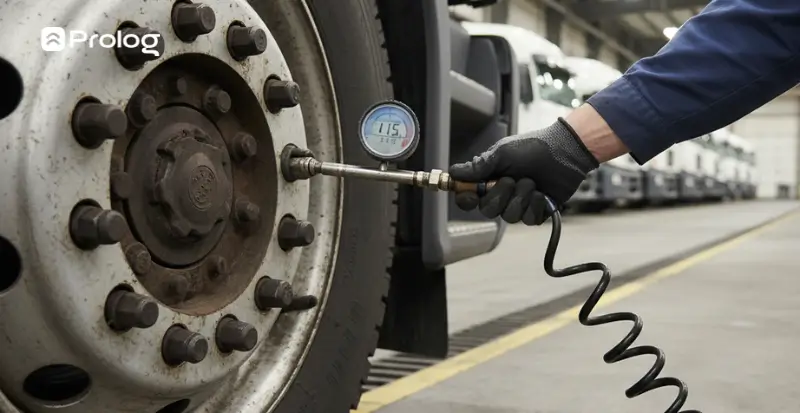
It covers pressure and tread depth measurement, elements that help identify potential issues that could affect tire performance and safety.
These assessments allow early intervention, ensuring tires remain in ideal operating condition.
Maintenance and refurbishment
During maintenance and refurbishment, tires are assessed and repaired to ensure they continue to meet safety and performance standards.
This can include a simple task such as tire calibration or something slightly more complex such as retreading the asset.
Tire disposal
When a tire is no longer useful, it should be discarded through specialized companies that follow sustainable practices, ensuring environmental impact is minimized and materials are recycled or disposed of correctly.
Why do you need well-defined tire management processes?
Having well-defined tire management processes is essential to ensure tire durability, leading to reduced costs, operational efficiency and transport safety.
These processes allow strict control over tire use and maintenance, preventing unexpected failures that could lead to high costs and safety risks.
Beyond that, they facilitate operational standardization, allowing the whole team to follow the same guidelines and practices, thereby reducing errors and inconsistencies.
What is the best way to apply and organize tire management processes?
The best way to include processes in your fleet's tire management is by planning and taking one step at a time.
Start by identifying operational needs and mapping current processes. Even if you are just beginning to implement tire management, understand what is done to care for these assets to have a starting point.
Then understand what will be needed for each management stage, assessing which tools and technologies should be acquired and implemented.
It is also important to identify the main training and skills development to offer the team involved.
These may cover best practices and the use of management tools, ensuring all team members are aligned and able to apply the defined processes efficiently.
Do the tire types used affect or change the processes defined for this management?
Tires are classified into various categories, each suited to different operating conditions and types of operation. However, this does not mean you will have to adopt new processes or change existing ones.
You can actually use your processes and analysis of the data generated to understand which tire types are truly meeting your operations' needs.
In general, there are some tire classifications:
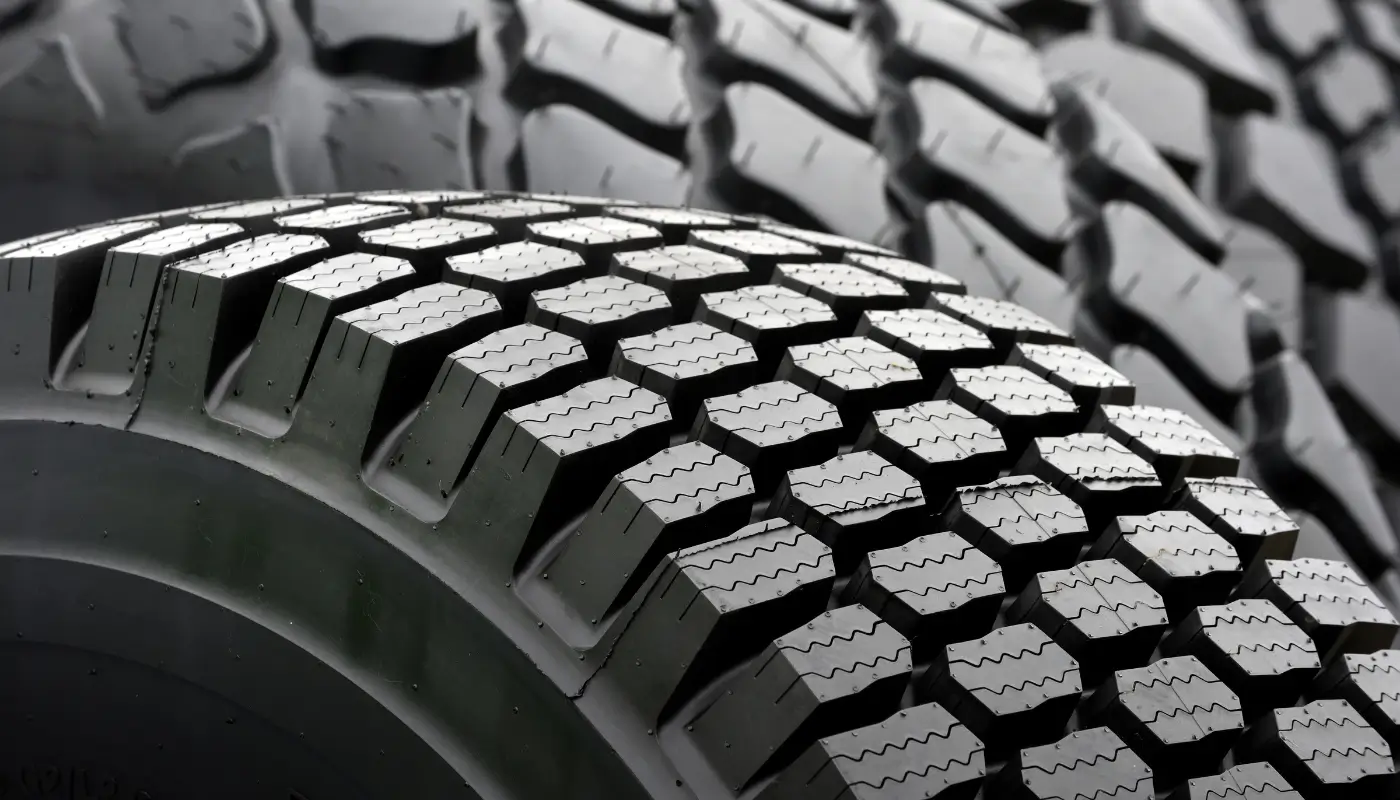
Tires for high-severity use are ideal for urban environments, with constant acceleration and braking, requiring management focused on wear resistance and frequent maintenance due to constant stress.
On the other hand, tires for medium-severity use adapt more easily to different ground types and are common among Brazilian transport companies, requiring balanced control of durability and operational flexibility.
For long trips, tires for low-severity use, with their optimized design, require management that prioritizes fuel efficiency and minimizes wear over long distances.
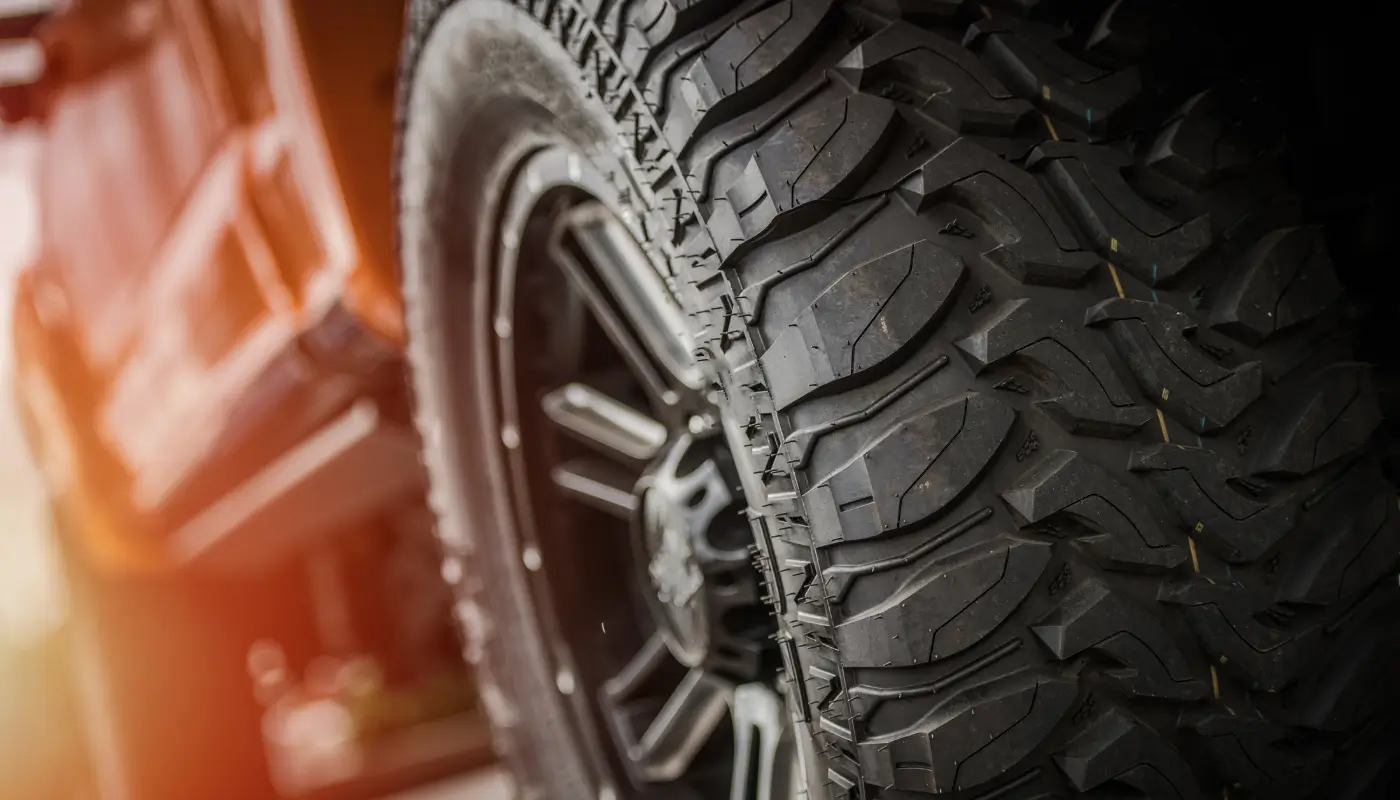
The mixed-service tires used on trucks traveling on both paved highways and dirt roads require management that balances resistance on different surfaces, while off-road tires are essential for vehicles on rough terrain.
If you ensure that management processes are followed and do your part to interpret operational reports and information, your processes can help select the best tires for each situation.
How do tire management processes affect fleet tire selection?
Including tire management processes clearly and consistently can positively affect your fleet, both when choosing more efficient tires and in other respects.
Through inspections and continuous monitoring, managers accumulate data about tire performance in different conditions. This information shows which tire makes and models achieved the best results in the operations they performed.
To make the choice even more accurate, you can also use each tire's maintenance data, identifying which experienced more issues and which had lower associated maintenance costs.
How can a tire management system optimize your processes?
A dedicated system will speed up all tire management processes, and may even automate some tasks.
This happens through centralized tire data, automatic report generation and access to the necessary information in a few clicks.
This system can also connect to other digital tools, such as the electronic tread probe, to receive tire inspection information in real time as inspections are performed, allowing managers immediate access to truck tire conditions.
You can therefore quickly identify a tire's current condition and determine which actions are needed to optimize its use and maintenance.
Ready to optimize your fleet's tire management and ensure a more efficient, economical operation? Contact us to discover how to apply our innovative solution to your fleet. Schedule your free demonstration.
Frequently asked questions
I want to organize my fleet's tire management but do not know where to start. What is the first step?
My tires are leaving service earlier than expected. What should I investigate first?
My fleet uses different tire types. Do I need separate processes for each?
How can I know the individual history of each tire?
What should I look for when choosing a tire management system?
// newsletter
Fleet management content, straight to your inbox
Articles on tires, maintenance and fleet operations. No spam.