Tire mounting: the 5 stages of the process
 Luiz Felipe 4 min read
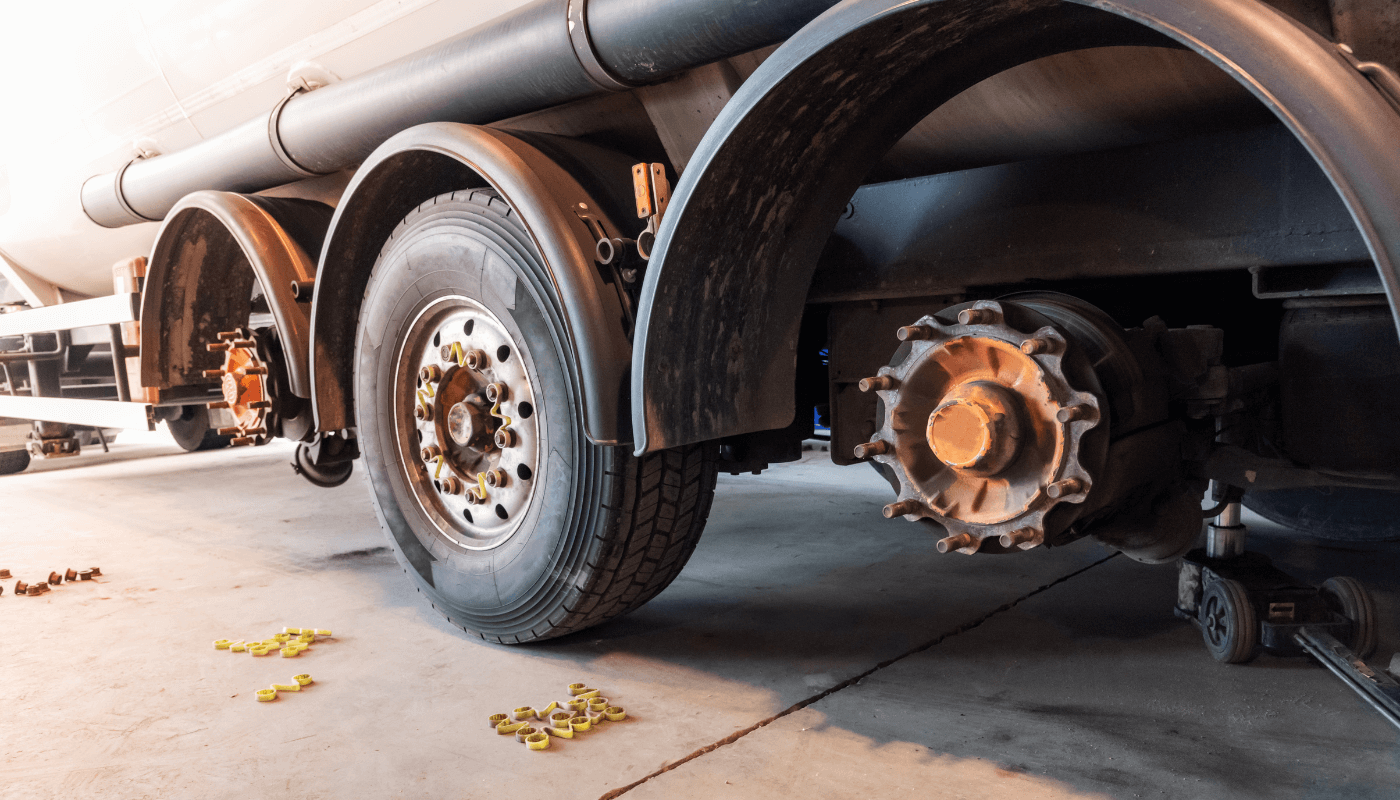
Tire mounting and demounting is a stage of fleet tire management, essential for installing assets on vehicles and performing tasks such as tire rotation.
Knowing how to carry out this activity correctly offers greater assurance of tire durability and performance. If installed incorrectly, tires can cause structural problems in tires and vehicles and increase operational risks.
Learn below:
- What the tire mounting and demounting process is;
- How this process works;
- Good practices for tire mounting and demounting;
- The importance of correct tire maintenance.
What is the tire mounting and demounting process?
This activity consists of safely and properly installing a tire on or removing it from the wheel. Generally, this replacement takes place to remove a damaged or worn tire from the vehicle, whether for repair or disposal.
Although a common and even routine process in transport operations, it requires technical knowledge and appropriate tools. That is why it is usually carried out by a specialized team, which may be in-house or outsourced.
The importance of tire mounting and demounting lies in contributing to better vehicle performance, tire durability and fuel savings.
How does this process work?
Tire demounting takes place on a specific machine, commonly called a “tire changer”.
The removed tire undergoes casing inspection to check for significant damage or irregularities indicating a vehicle problem that could damage the newly installed tire.
If everything is in order, the new tire can be installed without problems and the removed tire sent for retreading.
Mounting should also use suitable machines and tools that help lift the vehicle and fit the wheel.
After installation is complete, the tire also needs to be inflated to the correct pressure and undergo an inspection to identify any leaks in its structure.
Thus, the stages of tire mounting and demounting are:
- Removing the used tire from the vehicle;
- Inspecting the tire and wheel;
- Mounting the new tire;
- Calibration of the installed tire;
- Final check of tire mounting.
If the time is right, vehicle alignment and balancing services can also be carried out after new tire installation is complete.
Good practices for tire mounting and demounting
Have the right professionals and tools
It is important to follow tire mounting and demounting recommendations to avoid damaging these assets. For example, having the tools and equipment for the service in your fleet is essential for employee safety and productivity.
In addition, you should ensure the professionals responsible for the task are qualified and have all the necessary knowledge. Any error in the process can cause major damage and losses for the operation.
You can therefore both select more rigorously when hiring professionals for your team and seek recommendations and hire outsourced services specialized in this role.
Know tire sizes
Incorrectly sized tires compromise these aspects and can also increase fuel consumption and accelerate tire wear.
For these reasons, tire selection is extremely important for fleet safety, comfort and performance. You can select tires considering different factors, such as your vehicle model and operating conditions (terrain type, prevailing climate and cargo carried).
In the tire mounting and demounting process, have the responsible professionals always check whether tire sizes meet vehicle specifications.
Store tires properly
To keep tires in good condition while still in inventory, you need to store them correctly. It is important to avoid places heavily exposed to sunlight and other weather conditions, and to place tires in the correct position.
Tires to be used within a short time can be stored lying flat. On the other hand, tires that will remain in inventory for a longer period, over 1 month, should be stored vertically.
Although not directly related to tire mounting and demounting, keeping these assets in good condition in inventory can mean fewer problems during installation and also during use after the service is complete.
The importance of correct tire maintenance
Tire maintenance is a fleet process that ensures activities are carried out to maintain the good condition and quality of tires in your operations.
It includes regular tire inspection, measuring pressure and groove depth, and services such as washing, calibration and retreading, among others.
Another process that should also be part of this routine is tire mounting and demounting. The manager of this area should plan and ensure professionals carry out the service with quality and safety.
An organized, correct process generates the best results for your fleet, ensuring tires' useful life is put to use and allowing them to be preserved to enable retreading.
Learn even more about Fleet Tire Management and Maintenance in our complete, free e-book. Download it (in Portuguese).
Frequently asked questions
What are the stages of tire mounting and demounting?
How is a tire demounted?
What should be checked after mounting a new tire?
How should tires be stored in fleet inventory?
Why check tire size before mounting?
// newsletter
Fleet management content, straight to your inbox
Articles on tires, maintenance and fleet operations. No spam.