Tire waste diagnosis: how to do it
 Jean Zart 4 min read

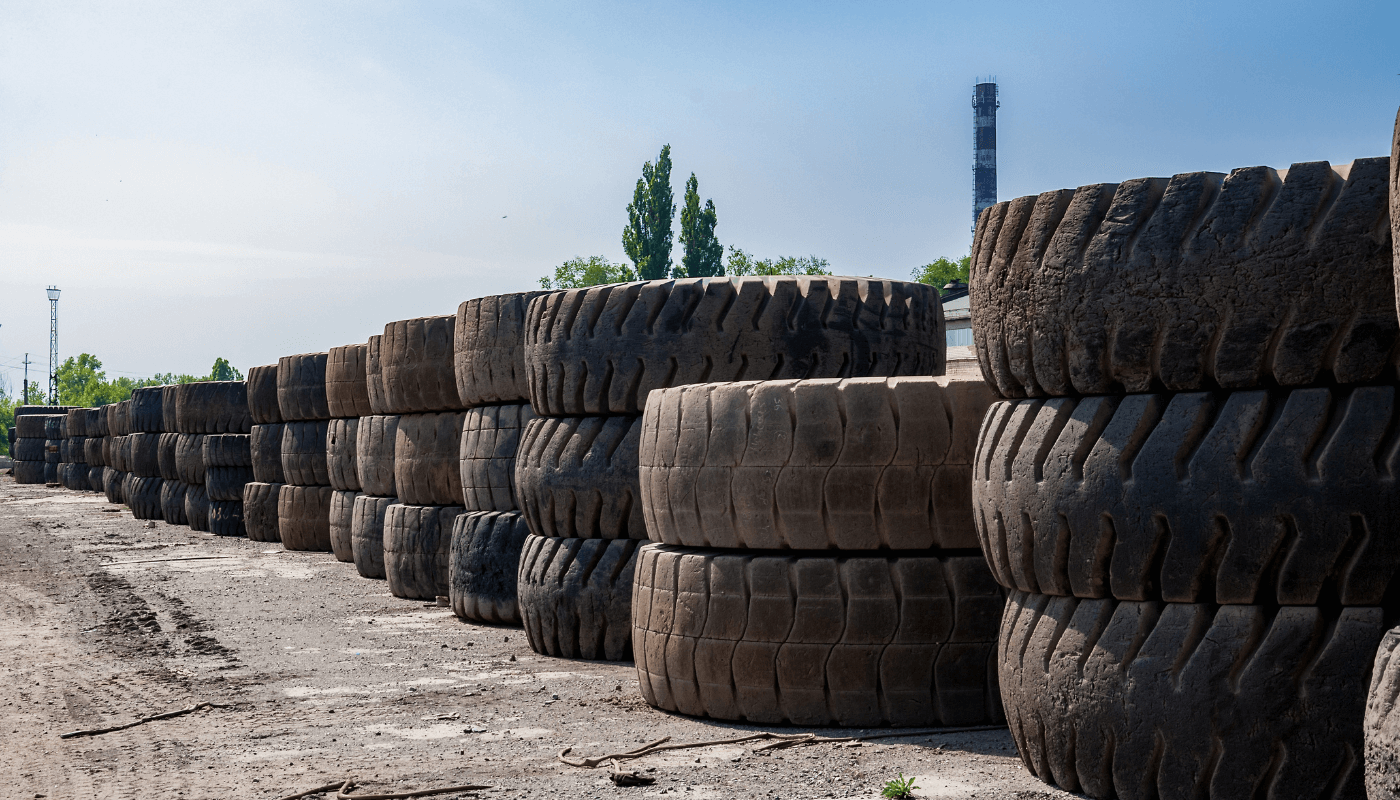
When tires are discarded early or suffer premature wear, this directly affects operating costs and vehicle performance. To resolve this issue, diagnosing fleet tire waste can be an important strategy.
This diagnosis helps identify why tires are being discarded early, allowing preventive measures to be taken.
Read on to learn:
- How to diagnose fleet tire waste
- The five factors that reduce tire useful life
- What abnormal tire wear may indicate
- How to use a fleet tire waste diagnosis to make decisions
How do you diagnose fleet tire waste?
The first step in a tire waste diagnosis is to collect data on the useful life and wear of the fleet's tires. This can be done by regularly monitoring indicators such as mileage, time in use and tire wear conditions.
You should also consider metrics and indicators (KPIs) such as tire Cost per Kilometer (CPK), which measures the operating cost of tires per kilometer traveled. By comparing the CPK of different fleet tires, you can identify which are more economical and which are generating higher costs.
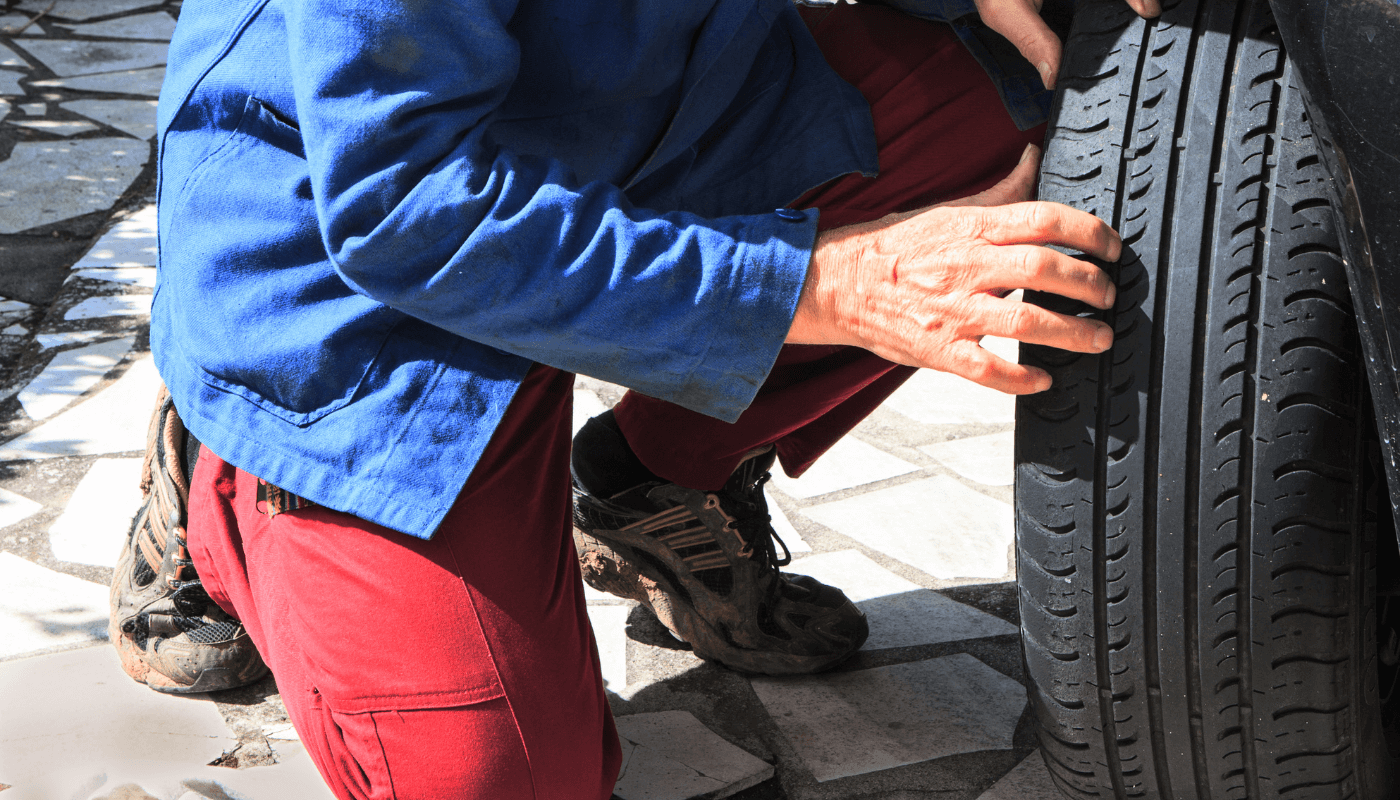
Tread wear level is another indicator that should be assessed regularly. It is measured by tread depth. A measurement below the recommendation may indicate that tires are being used beyond their ideal time in service or that maintenance is not being done correctly.
Furthermore, the number of times a tire can be retreaded before disposal is an important indicator of its durability. Tires that are not retreaded as often as expected may be suffering excessive wear or being discarded prematurely.
Another important indicator is the analysis of mechanical faults and operating conditions. The condition of the suspension, wheel alignment and the roads on which vehicles travel can accelerate tire wear. Monitoring these variables is essential to identify factors that contribute to reduced tire useful life.
With this data in hand, you can begin to identify usage patterns that help determine the main causes of losses and produce a diagnosis of fleet tire waste.
What are the five main factors that considerably reduce tire useful life?
1 – Incorrect tire pressure
Poorly inflated tires can wear unevenly, increasing the risk of structural damage and requiring frequent replacement. Ideal pressure should be maintained according to the manufacturer's specifications.
2- Lack of alignment and balancing
Incorrect axle alignment or improper balancing causes tires to wear unevenly, accelerating their deterioration.
3 – Overloading
Excess vehicle weight puts more pressure on tires, generating greater friction and heat, which accelerates wear.
4 – Operating conditions
Poorly maintained roads with many potholes or stones can damage the tire tread, significantly shortening its useful life.
5 – Lack of preventive maintenance
The lack of an adequate maintenance schedule prevents issues such as tears, punctures or abnormal wear from being detected in time, leading to early tire disposal.
What may abnormal tire wear indicate?
Abnormal tire wear is generally caused by factors such as inadequate maintenance or external factors. Some signs that tires are wearing abnormally include uneven wear: when one part of the tire is more worn than another, this may indicate alignment or suspension issues.
Sidewall cracks or blisters on the tire surface indicate exposure to unsuitable conditions, such as overloading or excessive heat.
If tires regularly lose pressure, this may be a sign of punctures or slow leaks that are compromising tire integrity.
How can you use a fleet tire waste diagnosis to make decisions?
A fleet tire waste diagnosis provides insights for strategic decision-making. Based on the information obtained in the diagnosis, you can, for example, choose new tire suppliers or makes.
If the analysis indicates that a particular tire make performs poorly, you may need to consider buying tires from another supplier.
If the diagnosis shows that road conditions are causing excessive tire wear, you may need to adjust routes or include a more frequent maintenance strategy. You should make this decision after assessing the analyses in the fleet tire waste diagnosis.
Another possibility is to make tire calibration adjustments, because maintaining the correct pressure can be a simple and effective solution for improving tire durability and avoiding waste.
In some cases, drivers' driving habits may be contributing to excessive tire wear. Training drivers to drive more efficiently can help resolve this issue.
In summary, a fleet tire waste diagnosis makes it possible to identify the causes of issues and thus implement solutions that increase tire useful life and reduce operating costs.
To learn more about how Prolog App can help you optimize diagnosis and tire management for your fleet, schedule a demonstration with our specialists right now.
Frequently asked questions
How do you diagnose fleet tire waste?
What factors reduce tire useful life?
What does abnormal tire wear indicate?
Why measure tread depth frequently?
How can you use the diagnosis to make decisions?
// newsletter
Fleet management content, straight to your inbox
Articles on tires, maintenance and fleet operations. No spam.