Traffic accident or traffic crash: what is the difference?
 Jade Zart 4 min read
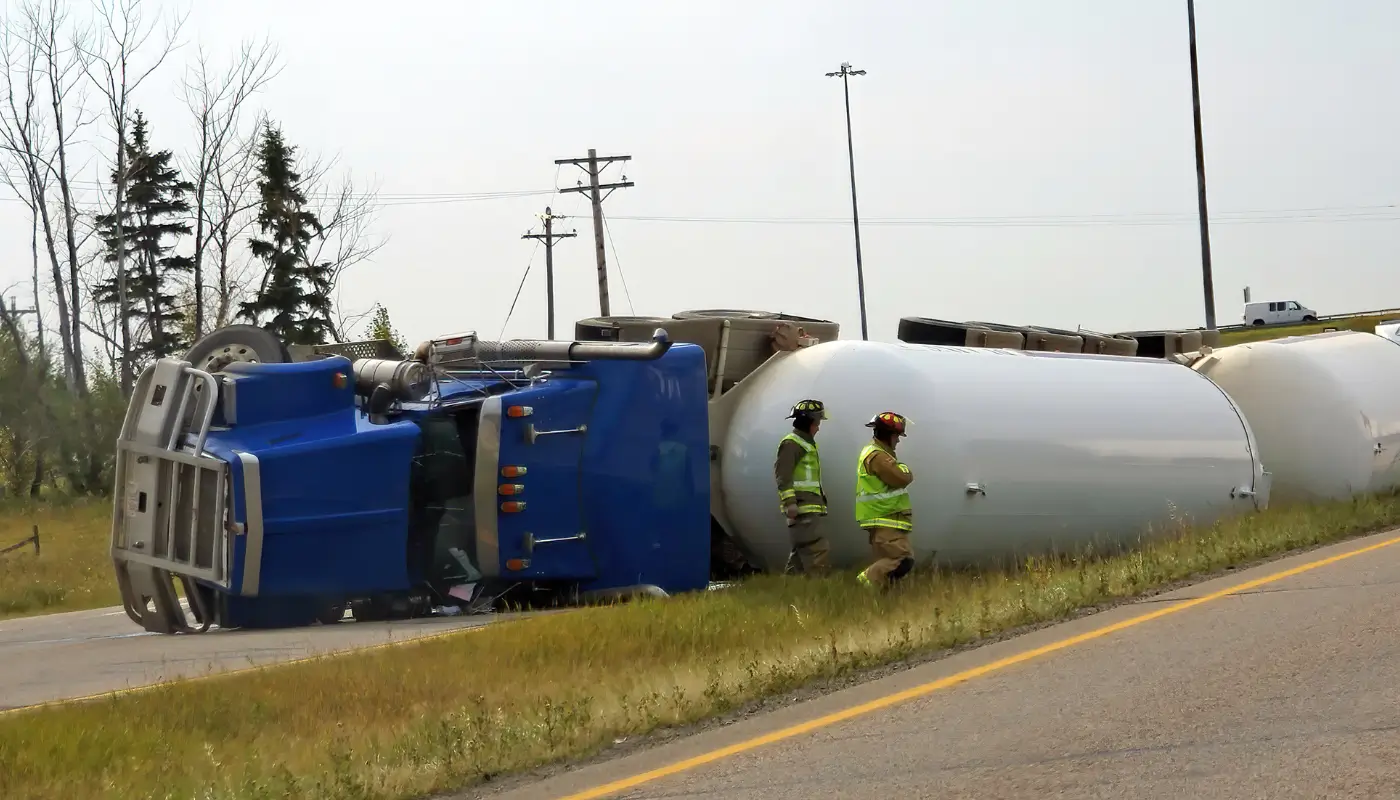
Although both terms are commonly used in the context of transport operations, there is not always clarity about how to use them correctly.
That is why it is important to clarify these concepts carefully, without creating a fixed hierarchy between “traffic accident” and “traffic crash” (in Brazilian Portuguese, “acidente de trânsito” and “sinistro”) when the sources consulted do not demonstrate that relationship.
Understanding the difference in how they are used is essential for better communication and proper risk management in transport operations.
Read on:
What is a traffic accident?
A traffic accident is an occurrence associated with traffic on the road and, in common usage in transport operations, it usually refers to an unwanted event involving a vehicle, person, animal or other traffic element, with the possibility of property damage, injuries or, in the most serious cases, deaths.
Want to see this in your fleet? Talk to a Prolog specialist
The fundamental point is that it happens in a space used for traffic. The Brazilian Traffic Code (CTB) defines traffic as the use of roads by people, vehicles and animals, alone or in groups, whether or not they are being driven or led.
These occurrences can be influenced by a series of factors, including human error, such as driver recklessness or inattention, mechanical failures in the vehicle, adverse weather conditions and even external factors such as inadequate road infrastructure.
What is considered a traffic crash?
Traffic crash (sinistro de trânsito, in Brazil) is a term used for an occurrence in traffic that can result in property damage or bodily harm. In fleet management, the most important thing is to record the event precisely, without assuming that a “traffic accident” is automatically a subcategory of a “traffic crash”.
When it occurs without victims, it includes events where there is property damage but no physical injury to those involved. Common examples are minor collisions, fender benders with no one hurt or damage to public or private property without causing injuries.
In these cases, Article 927 of the Brazilian Civil Code provides a legal basis for civil liability, establishing that whoever causes damage to another through an unlawful act (a negligent, reckless or unskilled act) must repair it.
On the other hand, crashes with victims cover situations where there are bodily injuries or even fatalities. The CTB contains provisions dealing with conduct related to these occurrences, including the obligation to provide immediate assistance to the victim at the time of the crash.
The legal consequences are more serious, and penalties can range from fines to criminal implications, depending on the severity of the incident, the conduct of those involved and how the competent authorities classify it.
Keep track of costs per driver and control trips in a practical way.
What is the difference between a traffic accident and a traffic crash?
Although both terms are used to talk about events that occur on the road, they should not be presented as categories with a fixed hierarchy when there is no specific regulatory basis for it.
In the fleet's routine, the practical difference lies less in swapping one word for the other and more in describing correctly what happened: whether there was property damage, a victim, a need for assistance, the responsibilities involved and prevention measures to avoid new occurrences.
This understanding helps with the proper documentation of events, precise communication with insurers and authorities, and the implementation of new risk management strategies in the fleet.
The role of risk management in preventing accidents and crashes
Fleet risk management covers several responsibilities and strategies. To do this, you need to identify the potential risks that can lead to vehicle accidents and crashes.
This involves a continuous assessment of risk factors, whether through the analysis of vehicle performance data, driver behavior or road conditions.
In addition, risk management also involves understanding the legal implications associated with operating a fleet.
Fleet managers need to be aware of the civil and criminal liabilities that can arise in the event of accidents, especially those that result in property damage or bodily injury.
It is also your responsibility to maintain a high standard of safety and compliance, to avoid legal repercussions for the company.
Another important component of risk management is choosing and managing appropriate insurance policies. Insurance not only offers financial protection in the event of crashes, but is also an essential part of risk prevention planning and strategy.
Safety culture and driver training
Running regular training and development programs for drivers is essential. These programs can range from improving driving skills to sessions on situational awareness and first aid.
This also helps promote a sense of responsibility and commitment to safety.
Want to see this in your fleet? Talk to a Prolog specialist
In addition, continuously reviewing and updating safety procedures, based on driver feedback and on the analysis of previous accidents and crashes, ensures that safety practices evolve and remain effective.
Want to keep learning about fleet management and safety strategies? Subscribe to our free newsletter (in Portuguese) and get all the tips and news we share delivered straight to your inbox.
Want to see this in your fleet? Talk to a Prolog specialist
Frequently asked questions
What is a traffic accident?
What is considered a traffic crash?
What is the practical difference between a traffic accident and a traffic crash?
What are the legal consequences of a traffic crash?
What does fleet risk management need to cover?
How does driver training fit into prevention?
// newsletter
Fleet management content, straight to your inbox
Articles on tires, maintenance and fleet operations. No spam.