First, middle and last mile: the 3 stages of transport
 Jade Zart 4 min read
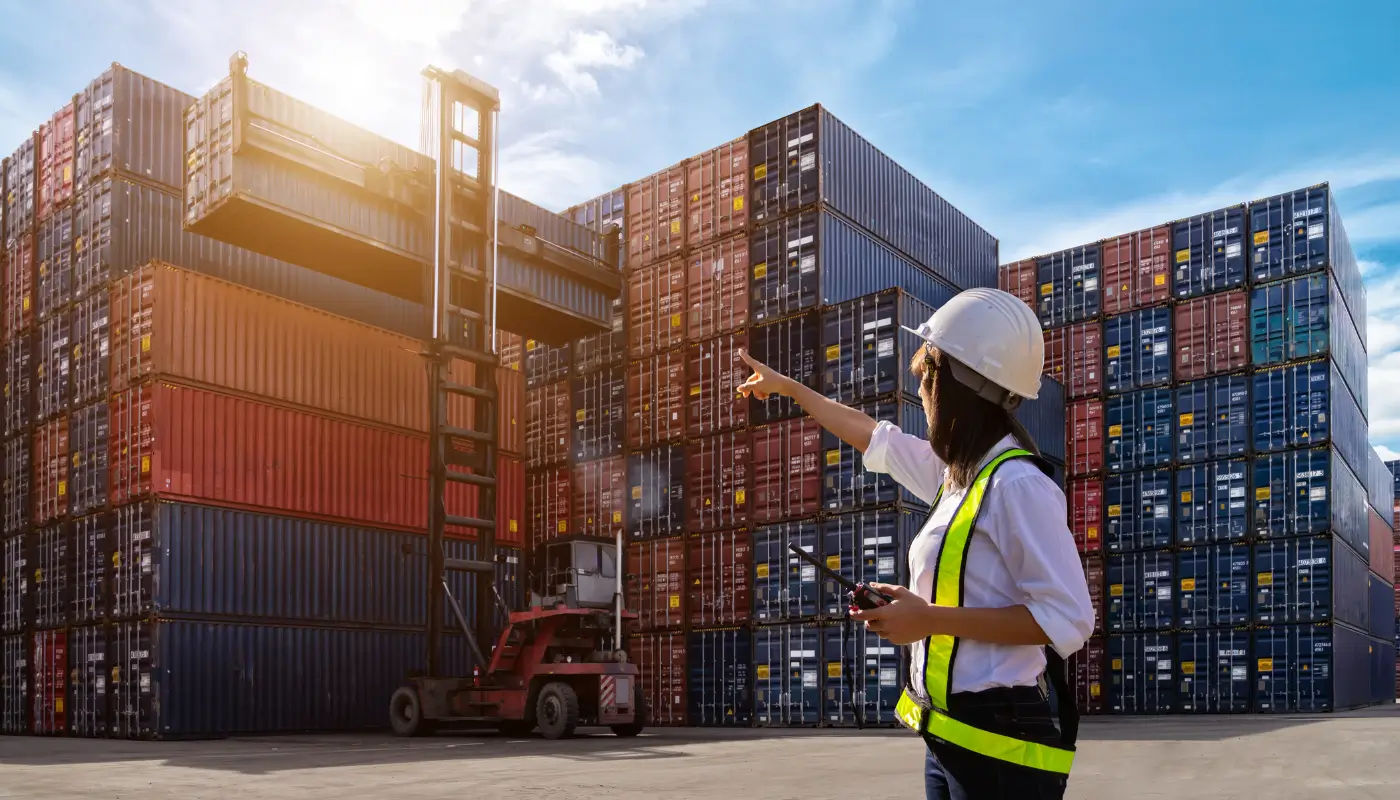
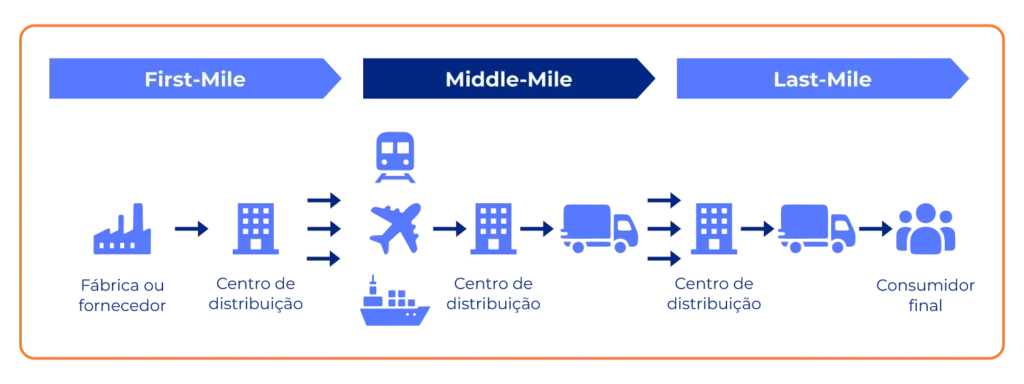
The stages of transport, covering the first mile, middle mile and last mile, are logistics phases that organize and separate the different moments of a delivery.
That is, from the factory to the distribution center, from there to other pickup points or regional distribution centers, and from these to their final destination, whether a customer's home or a point of sale.
Each of these stages has its own particularities and challenges, one of them being fleet management.
The fleet needs to serve these different stages in an effective and adaptable way, ensuring not only on-time deliveries, but also route optimization, fuel consumption efficiency and preventive maintenance of the vehicles.
In this sense, fleet management is more than managing vehicles; it is about understanding each stage of transport to create a more efficient logistics operation.
Read on:
What are the 3 stages of freight and goods transport?
First mile
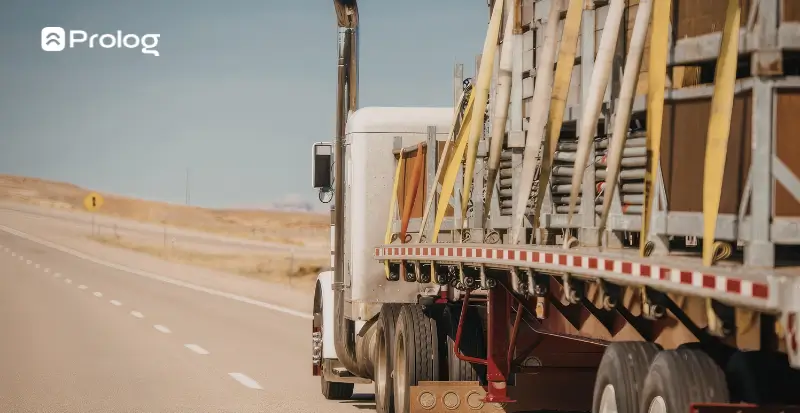
The stage known as the “first mile” refers to the start of the logistics chain, that is, the moment when products are picked up at the factory or from the supplier and transported to a distribution center or warehouse.
This phase is essential to ensure that the logistics process starts efficiently, requiring precise planning of routes and schedules to avoid delays.
Fleet management at this stage aims to ensure that products reach the next point in the logistics chain at the right time and ready for subsequent distribution.
Middle mile
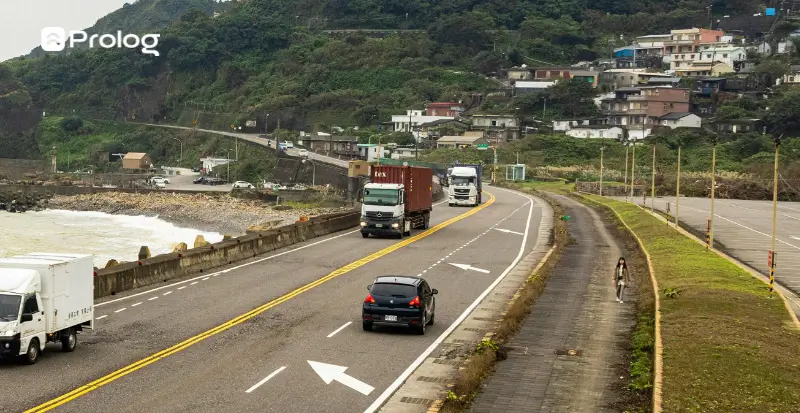
The “middle mile” is the intermediate segment of the delivery process, where products are moved from distribution centers to regional warehouses or directly to points of sale.
This stage usually plays an important role in optimizing inventory and reducing costs, because it involves transporting large volumes of goods.
Fleet management in this phase focuses on logistics efficiency, using data analysis to optimize routes and ensure that products are moved as economically and quickly as possible.
Last mile
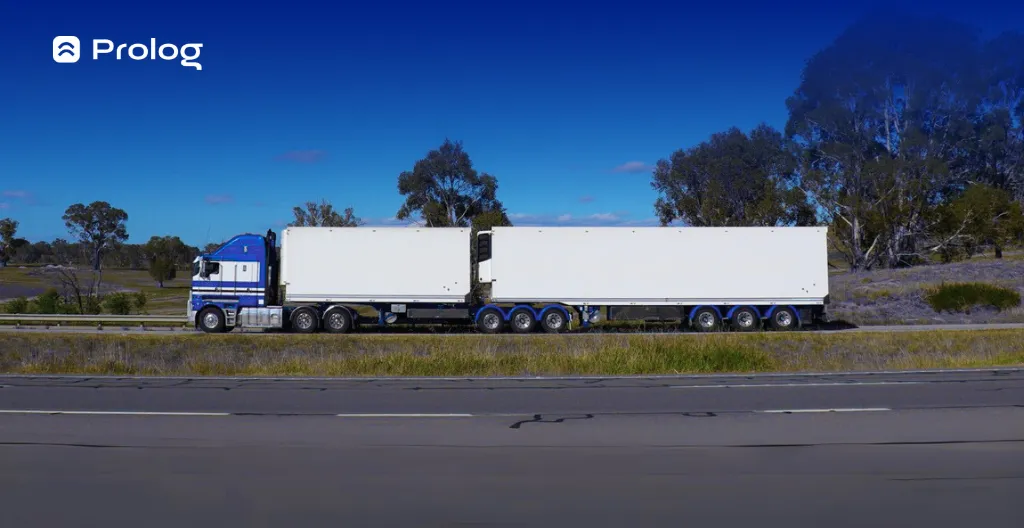
The “last mile” is the final phase of the delivery process, where products reach their final destination, such as a customer's home or a point of sale.
It is usually considered the most challenging and costly segment of logistics, given its complexity and the need to meet consumers' expectations of fast delivery.
Fleet management at this stage involves strategies to minimize delivery costs and improve the customer experience, including the use of advanced technologies for real-time tracking and route optimization.
How does fleet management adapt at each stage?
Fleet in the first mile
In the first mile stage, fleet management focuses on the efficiency of pickup and the initial transport of products.
This includes careful route planning to reduce transit time between the point of origin and the distribution center, as well as choosing vehicles suited to the load in question.
Tracking technologies and transportation management systems (TMS) are used to ensure precision in scheduling pickups and in communication with suppliers, aiming to minimize delays and optimize use of the fleet.
Vehicle fleet in the intermediate stage
During the middle mile, fleet management adapts to handle the transport of large volumes of goods between distribution centers and regional warehouses.
Route optimization becomes even more important to ensure on-time, cost-efficient deliveries.
Strategies such as load consolidation and data analysis to forecast storage and transport demand help maximize vehicle capacity and reduce unnecessary trips.
Last-mile fleet
In the last mile, flexibility and a quick response to customer demands are essential.
Last-mile fleet management uses advanced technology solutions, such as real-time route optimization software and direct communication systems with customers, to provide transparency and constant updates on delivery status.
Smaller, more agile vehicles can be used to navigate urban traffic efficiently.
Meanwhile, practices such as scheduled delivery and alternative pickup points are explored to increase customer convenience and satisfaction, while reducing costs associated with failed deliveries.
The dynamics of the stages of transport, from the first mile to the last mile, highlight their complexity and the need for efficient, adaptable fleet management.
By understanding each of these phases in depth and implementing specific strategies to meet their requirements, you can overcome the challenges of each stage and seize the opportunities to optimize operations, reduce costs and improve customer satisfaction.
Keep learning how to manage your fleet for the different stages of transport in our free material. Download the Fleet Management Guide (in Portuguese).
Frequently asked questions
What is the middle mile in transport?
How do you plan routes in the middle mile stage?
Which stage is usually the most expensive?
What does fleet management need to ensure in the first mile?
Why does splitting transport into stages help manage the fleet?
// newsletter
Fleet management content, straight to your inbox
Articles on tires, maintenance and fleet operations. No spam.