Bald tires: what are the risks and what to do?
 Luiz Felipe 5 min read
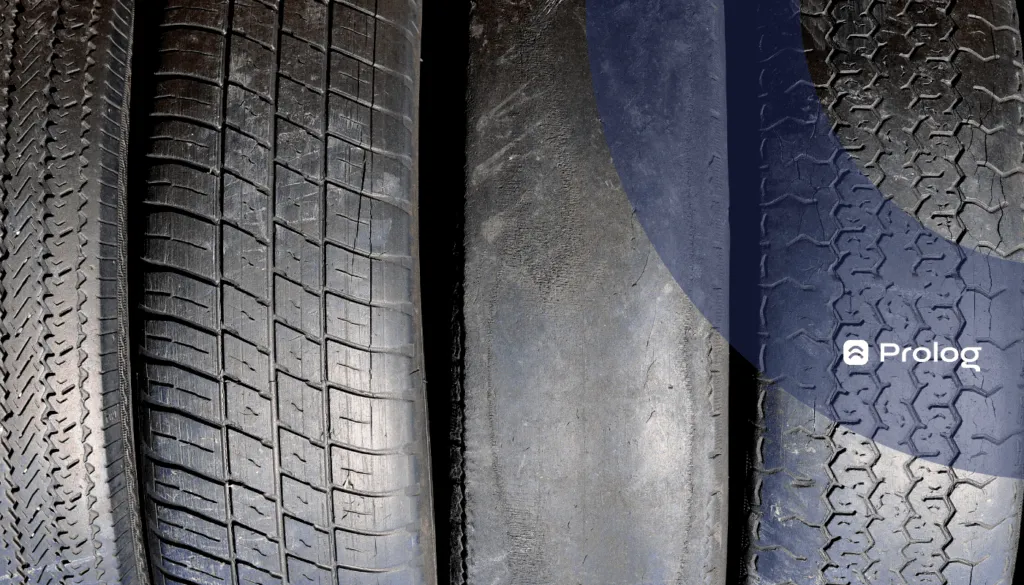
When a tire is bald, it means it has lost its original characteristics and no longer ensures friction between the rubber and the road, increasing the risks of hydroplaning, skidding and instability while driving.
You need to pay attention to its condition, because driving on a bald tire puts the life of the driver and of other drivers at risk. In addition, in Brazil, keeping a vehicle in poor condition can compromise safety and result in a serious infraction, a fine and the vehicle being held.
The best practice to avoid these consequences is prevention. Keeping servicing up to date is a great ally in maintaining tire performance and the safety of the operation.
What is a bald tire?
A tire's tread is the base that touches the road and supports the weight of the vehicle, the load and the driver. When it falls below the indicated value, the tire no longer has its factory characteristics and is considered “bald”.
This condition can also be described as the total loss of tire grip.
How can you tell if a tire is bald?
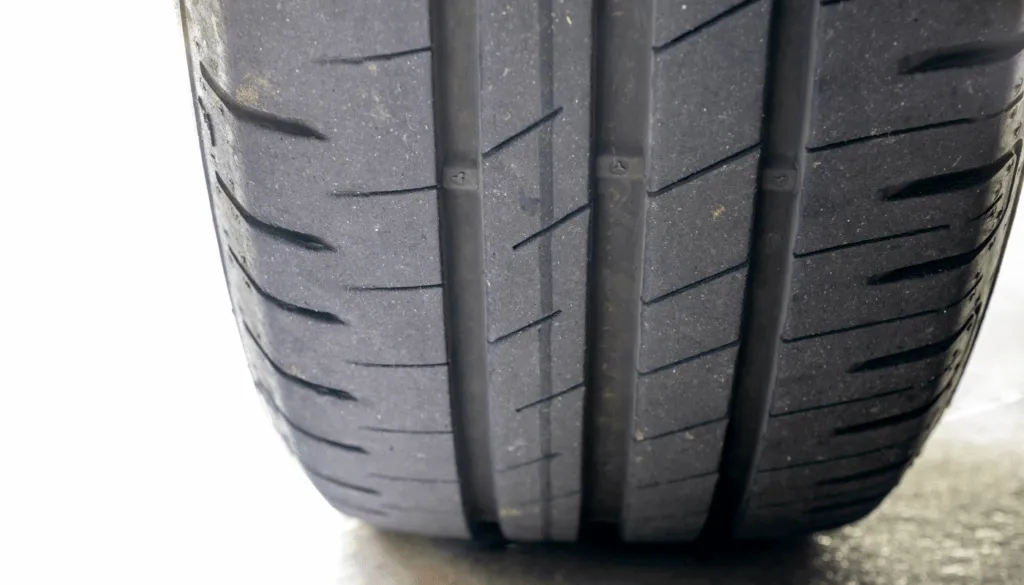
By the TWI marker (short for “Tread Wear Indicator”). It is present on most tires and has a very simple purpose: when wear reaches the indicated mark, of 1.6 mm, it means the tire life cycle has come to an end.
If the TWI is not present on your set of tires, another way to tell if a tire is bald is with a tread probe. Today, both manual and electronic devices are available on the market.
Even if your tires are within their 5-year shelf life, you need to watch for signs of wear while driving, such as:
- A vibrating steering wheel;
- The vehicle pulling to one side;
- Frequent skidding of the vehicle;
- Hydroplaning on wet roads;
- Lack of vehicle stability, even on straight roads;
- Longer braking time.
What are the risks of driving on bald tires?
Several problems stem from this loss of tire friction. Besides the operational risk, the Brazilian Traffic Code classifies driving a vehicle in poor condition as a serious infraction when this compromises safety.
This care also relates to a basic traffic principle: traveling in safe conditions is everyone's right. That is why checking the vehicle's condition before putting it on the road should be part of the routine of those who drive and those who manage the fleet.
Watch the video we prepared on the subject. Hit play!
(video in Portuguese)
Learn about the risk situations created when a tire is bald:
It increases response time when braking
One of the main characteristics of bald tires is the loss of grip, a very important element that ensures proper braking. The deterioration of the rubber reduces friction and makes the vehicle travel a longer distance, after the brake is pressed, before it comes to a complete stop.
In a situation that requires braking quickly, the risks of an incident are high, both because of this longer response time and because of the risk of having to use the handbrake and ending up skidding on the road, also due to the tires' lack of friction.
It worsens the risk of hydroplaning
Hydroplaning happens when a thin layer of water forms between the tires and the road.
The grooves are strategic channels in the rubber designed to drain water. However, when they are worn, they make the vehicle lose contact with the asphalt and slide out of control.
It impairs vehicle alignment
Alignment is a service performed on the vehicle's wheels, adjusting the angles to provide more stability as the fleet travels.
When a tire is bald, it loses pressure faster and its impact resistance also decreases. In other words, it makes the vehicle sway more, wearing out other parts and preventing the alignment from doing its job properly.
In addition, tire wear is already one of the signs that alignment is needed. So, with bald tires, how do you identify irregular or unusual wear caused by a lack of alignment?
Unless you have a robust preventive maintenance process, it is one more issue reducing the durability of the vehicles and increasing your operating costs.
It results in a traffic infraction
In Brazil, driving on bald tires represents a serious infraction when the vehicle's poor condition compromises safety. The fine for a serious infraction is R$ 195.23.
Under article 230 of the Brazilian Traffic Code, the infraction applies to a vehicle in poor condition that compromises safety. The vehicle may also be held until the issue is resolved.
What to do when a tire is bald?
Tire inspection is your greatest ally in avoiding this excessive tire wear — and also when it comes to safety in transport operations. To carry it out,
ideally you should have an electronic tread probe, which brings more accuracy and speed to the process.
But even manual tools can help you keep wear under control. You need to measure and keep track of tire tread depth, knowing when it is normal and when something different is happening.
It is also important to know how to identify which issues cause these abnormalities.
Then comes the part of greatest interest:
What should be done to keep a tire from going bald?
We have put together some actions that help extend the useful life of tires in the fleet:
- Do alignment and balancing on the scheduled dates;
- Keep track of tire pressure, with calibration whenever necessary;
- Do tire rotation as indicated by the manager's schedule;
- Avoid roads in poor condition;
- Identify the most cost-effective tires (CPK) for each route the fleet runs, using the most suitable models for each type of road;
- Have a tread depth chart to maintain standards that indicate when the part is expected to be replaced, the ideal time for retreading, etc.
When to replace tires in the fleet?
First, if the fleet's tires have any of the characteristics we have presented so far, you should send them for a casing inspection. If retreading is still possible, it means savings and longer use of the part. An advantage for you.
On the other hand, if the casing is already fatigued, the tire should be discarded and a new part purchased.
How about going even deeper into caring for the fleet's tires? Download our free e-book — Tire Management Guide: increase your productivity and savings in the fleet (in Portuguese).
Frequently asked questions
What is a bald tire?
How can you tell if a tire is bald?
Can you be fined for driving on bald tires?
What are the risks of driving on bald tires?
When should a bald tire be replaced?
// newsletter
Fleet management content, straight to your inbox
Articles on tires, maintenance and fleet operations. No spam.