Tire TWI: limits, risks and fleet care
 Diego Paludo 9 min read
Caring for fleet tires is one of the main challenges for vehicle managers. Tire TWI — short for Tread Wear Indicator, the indicator of tread wear — helps prevent risks and manage tire useful life.
This indicator, built into the tire during manufacturing, helps check tread wear at no additional cost. Its main advantage is that, when observed correctly, it shows when depth has reached the legal limit in Brazil and helps trigger maintenance practices at the right time.
Understanding and applying this concept can prevent tires below the limit from staying in use, reduce unexpected downtime and support safer, more economical maintenance. Gains in useful life come from the combined approach: inspections, calibration, rotation, alignment, balancing and consistently recorded decisions.
Here, you will clearly understand:
- What is tire TWI?
- What role does TWI play in tire management?
- How do you measure and monitor tire TWI?
- What is the tire TWI limit?
- What are the risks of driving beyond the TWI limit?
- 5 tips to prevent tire wear
- How can fleet tire useful life be tripled?
Read on to discover how to use tire TWI in management aimed at greater durability, safety and efficiency in your fleet.
What is tire TWI?
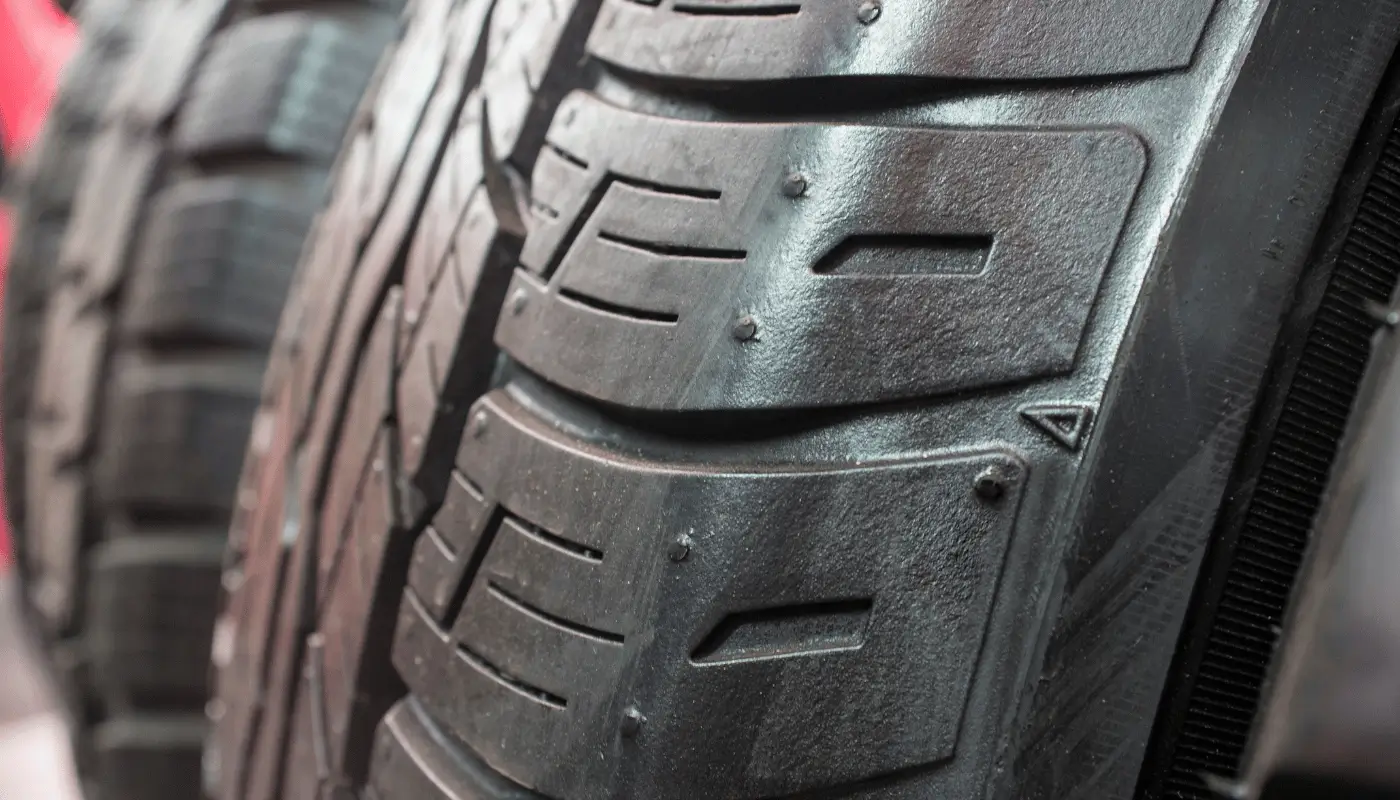
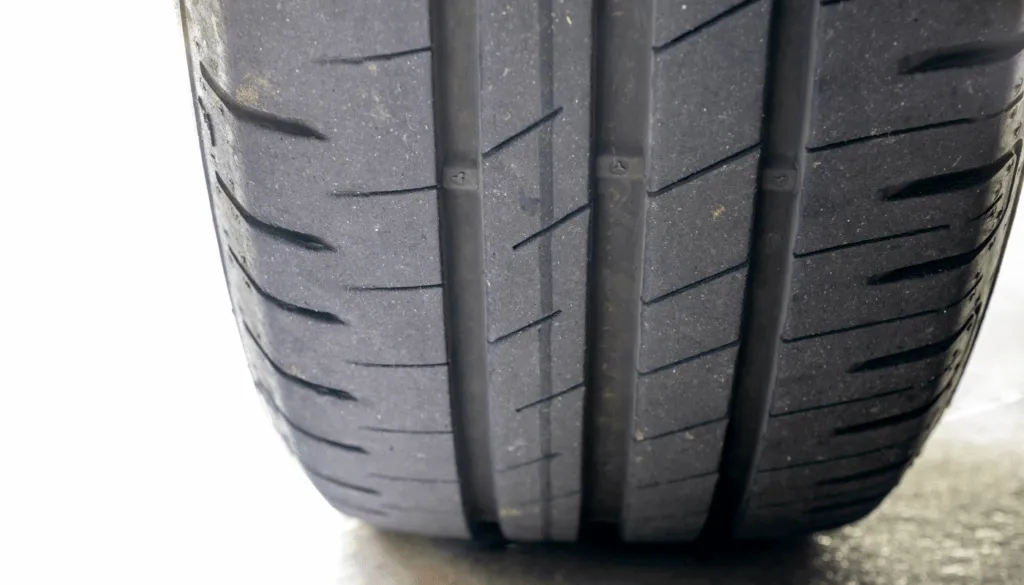
TWI (Tread Wear Indicator) is the indicator of tread wear. It appears as a small raised section between the tire grooves and shows when the rubber reaches Brazil's minimum legal depth: 1.6 mm, as established by CONTRAN Resolution No. 913 of March 28, 2022.
It is easy to find: look for a small raised rubber section between the grooves. This marking becomes visible as the tire loses tread thickness and, under Brazil's traffic rule itself, remaining depth can be checked visually through these wear indicators.
TWI is so practical that it has become a common reference for reading tire wear. It lets you observe tread condition simply and identify when the tire has reached the limit of safe and legal use, providing more control over fleet operations.
What role does TWI play in tire management?
This indicator is essential because tire wear is often not assessed frequently enough. TWI makes periodic checks easier, helping identify tires that have reached the limit and could compromise safety and cause more serious tire failures if they remain in use.
In addition, TWI helps plan preventive maintenance, especially when tread depth assessment is combined with correct pressure, rotation, alignment and balancing. Together, these practices reduce the chance of emergency replacements and support more consistent decisions on retreading, replacement and tire use up to the safe limit.
Finally, TWI also helps with cost control, enabling the fleet to avoid both using tires below the limit and replacing them early without sound criteria. The goal is to make better use of tire life cycles without compromising safety, grip and vehicle performance.
How do you measure and monitor tire TWI?
Measuring and monitoring tire TWI is simple but requires regular attention to ensure tire durability and safety. Inspections should check tread depth, possible damage and general tire condition.
One of the most effective options is an Electronic Tread Probe. This equipment measures wear quickly and accurately, identifying exactly where the tire has reached the 1.6 mm limit. Measurements can be taken directly in the tire areas where the TWI is located, making the process quick with less risk of recording errors.
For those seeking even more advanced control, the Prolog Tire Management System also offers a solution to organize the routine. The system lets you record tread depth, manage inspection deadlines and schedules, and centralize tire maintenance.
With the system, you can monitor tire wear at each inspection, keep inspection history and plan replacements at the right time, preventing failures and supporting cost optimization.
These tools make tire management more accurate and efficient, helping preserve each tire's useful life and improve the performance and safety of the whole fleet.
What is the tire TWI limit?
The TWI measurement is a tread depth of 1.6 mm for each tire, Brazil's minimum remaining tread depth limit. When this mark is reached or depth falls below 1.6 mm, the tire is considered unfit for road use, characterizing it as a “bald tire.”
Below this value, tire grip decreases and water drainage through the grooves is compromised. Since grooves help drain water and maintain road grip, attention to TWI is even more important in adverse conditions, such as rain and wet roads.
Driving on tires below the 1.6 mm limit can also result in greater wear on other vehicle components and penalties under Brazilian traffic law. CONTRAN Resolution No. 913/2022 refers noncompliance to the penalties in item X of art. 230 of the CTB, Brazil's Traffic Code, concerning vehicles in poor condition when safety is compromised.
Consistently monitoring TWI is therefore essential to ensure fleet tires do not go beyond this limit, preventing risks and ensuring greater road safety and performance.
What are the risks of driving beyond the TWI limit?
Driving with TWI (Tread Wear Indicator) outside the limit can pose several risks to both safety and fleet operational efficiency.
When tire wear passes the recommended 1.6 mm limit, issues start to worsen, affecting not only tires but overall vehicle performance.
The main risks follow:
1. Reduced grip and greater hydroplaning risk
One of the main issues with driving beyond the TWI limit is loss of tire grip on asphalt. With excessive wear, the tire loses some ability to drain water properly, increasing hydroplaning risk, especially in rain. This can cause sudden loss of vehicle control, putting the driver at risk.
2. Longer braking distance
Tread depth directly affects braking safety, especially on wet roads. Tires beyond the TWI limit have a reduced ability to generate traction, which can result in longer braking distances. In emergencies, this extra stopping time can make a difference in avoiding an accident.
3. Uneven wear on other vehicle components
An excessively worn tire can affect other vehicle systems, such as suspension and steering. Bald tires or tires beyond the TWI limit tend to absorb road impacts less effectively, overloading other components and causing premature wear. This can generate high maintenance costs and unplanned repairs, while reducing the vehicle's overall useful life.
4. Higher fuel consumption
Worn tires beyond the TWI limit can increase rolling resistance, requiring more effort from the mechanical assembly to keep the vehicle moving. This tends to raise fuel consumption and fleet operating costs. Tires in good condition help keep operations more efficient and predictable.
5. Traffic fines and legal infractions
Beyond mechanical and operational risks, driving on tires below the 1.6 mm depth limit can also lead to traffic fines and infractions. In Brazil, traffic rules consider a tire noncompliant when its tread has reached the indicators or remaining depth is below 1.6 mm, which can bring additional company costs.
6. More unexpected failures and unplanned downtime
Beyond the TWI limit, the risk of unexpected failures increases. Tires at or below the wear limit can suffer damage more easily or develop uneven wear, leading to unplanned stops and tire replacement costs earlier than expected.
7. Less driver comfort and safety
Beyond mechanical and operational risks, unevenly worn tires compromise driver comfort and safety. Bald tires produce less stable driving, more vibration and reduced impact absorption. This makes driving less comfortable and increases driver fatigue, which can further compromise safety on long trips.
5 tips to prevent tire wear
Preventing premature tire wear is essential to extend useful life and ensure fleet safety and efficiency. Good maintenance and driving practices can preserve tread longer and avoid frequent replacement costs.
Below, see 5 practical tips to minimize fleet tire wear:
1. Rotate tires regularly
Tire wear can vary according to mounting position. Front tires, for example, often wear faster because of engine weight and steering maneuvers. Therefore, regular rotation according to manufacturer recommendations or fleet routines helps distribute wear more evenly, extending tire useful life.
2. Keep calibration up to date
Driving with incorrectly calibrated tires is one of the main causes of premature wear. Pressure below the ideal increases ground friction, accelerating wear and raising fuel consumption. Pressure above specifications reduces ground contact, compromising grip and causing center wear. Ideally, check pressure regularly according to fleet usage frequency, always following manufacturer specifications.
3. Align and balance tires periodically
Steering misalignment and wheel imbalance cause premature tire wear. In addition, these issues compromise vehicle stability and increase accident risk. Perform alignment and balancing whenever you notice vibration, steering pull or after heavy impacts such as potholes or collisions.
4. Avoid overloading
Exceeding vehicle load capacity strains tire structure and accelerates tread wear. Excess weight also compromises suspension, brakes and other important components. Respecting manufacturer load limits is a basic rule for keeping tires and the whole vehicle in good condition longer.
5. Drive more smoothly
Driver behavior has a major impact on tire durability. Sudden acceleration, hard braking and high-speed cornering increase friction and rubber wear. Investing in driver training and encouraging defensive driving helps reduce tire wear while supporting safer, more economical driving.
How can fleet tire useful life be tripled?
Tripling fleet tire useful life should not be treated as a promise of TWI alone. TWI shows when a tire has reached the wear limit; consistent preventive management guided by reliable records is what prevents premature wear.
Keeping tire pressure within recommended standards and performing regular alignment, balancing and rotation are essential practices for distributing wear evenly and preserving tire structure for much longer.
In addition, trained, aware drivers who drive defensively and avoid abrupt maneuvers directly help increase tire durability and reduce early replacements.
Using a tire management system also strengthens results, allowing you to keep track of each tire, record tread depth, manage inspection deadlines and plan maintenance more accurately.
To complete the cycle efficiently, managing each tire's complete history — mileage, maintenance, replacements and TWI measurement records — is essential to understand wear patterns and make more strategic decisions.
Consistently applying this set of good practices improves the fleet's chances of extending tire useful life, reducing operating costs, increasing safety and optimizing vehicle performance, without relying on a single measurement as the solution to every issue.
To put all this into practice more efficiently, download the free Tire Control Spreadsheet. It will help you monitor TWI, record maintenance and organize fleet tire management simply, intelligently and professionally.
Frequently asked questions
What does tire TWI stand for?
What is the TWI limit for replacing a tire?
What are the risks of driving beyond the TWI limit?
How can fleet tire useful life be tripled?
How do you measure tire TWI in practice?
// newsletter
Fleet management content, straight to your inbox
Articles on tires, maintenance and fleet operations. No spam.