Bald tires: Brazil’s legal 1.6 mm limit and fine
 Luiz Felipe 4 min read
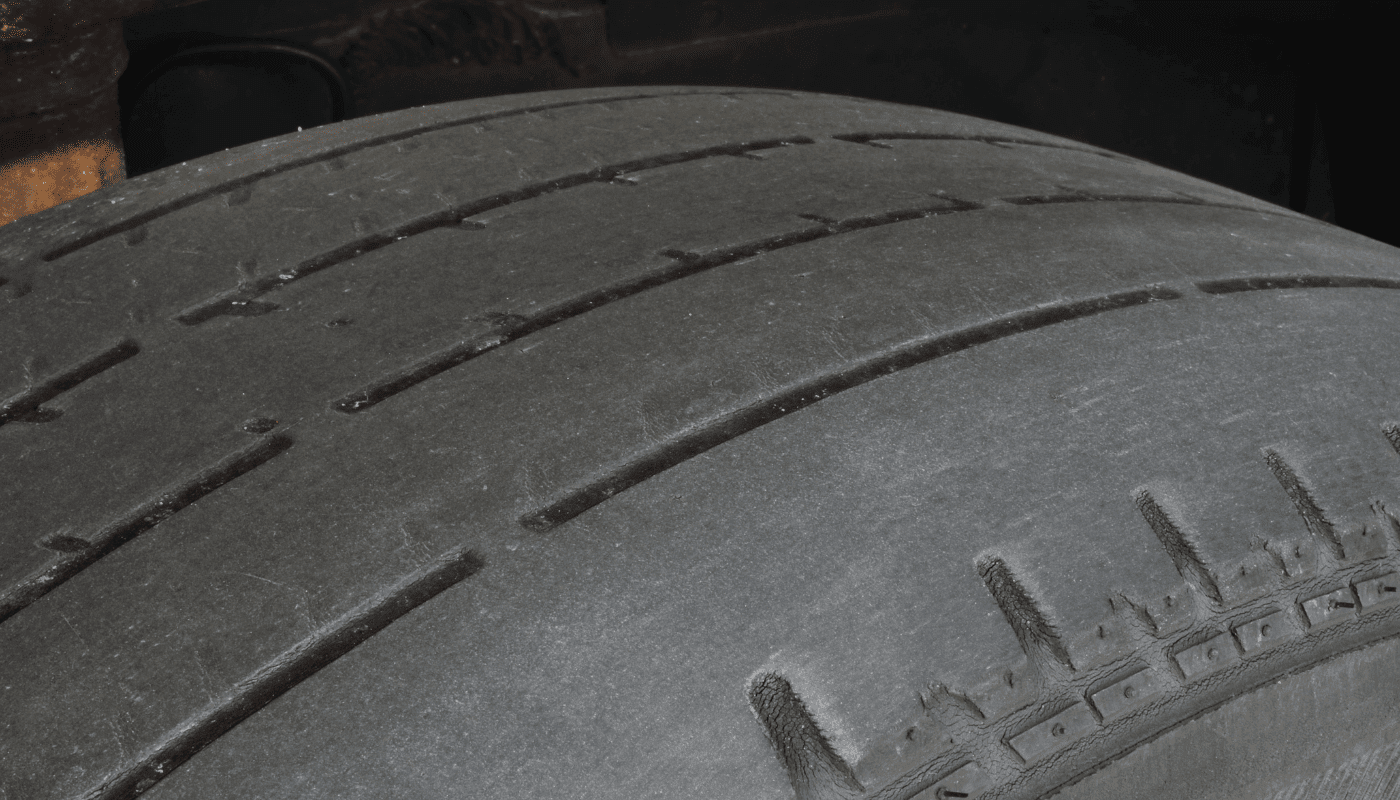
Bald tires are a recurring occurrence, but must be avoided at all costs. Learn why controlling tire wear is important.
Do you know what makes a tire bald? Many believe that when a tire loses the small rubber “hairs” on its surface, it is already bald. However, what defines this condition is when the tire reaches a wear limit.
According to CONTRAN, Brazil’s National Traffic Council, this condition occurs when the tread reaches the tread depth limit of 1.6 mm or falls below it (Resolution 540/2015).
Besides being very dangerous, it is a waste of resources. Tread depth contributes to tire traction on the road, and when wear exceeds the limit, the fleet loses its safety margin as well as maintenance predictability.
Want to avoid bald tires?
To do so, you should have some actions prepared. For example, guidance for drivers. Everyone must be aware of their responsibility for tire care and how much of a road risk bald tires can pose.
Some of the main tire management precautions include:
- always checking pressure and tread depth, using a pressure measuring device when checking calibration;
- tire calibration frequently, around 1 time every 15 days, as well as a check at least monthly and before long trips;
- waiting for the tires to be cold before calibration;
- vehicle alignment and balancing, on average, every 10 thousand km covered, because misaligned wheels can accelerate tread wear and make it uneven;
- performing tire rotation to help all tires wear evenly and extend their useful life;
- having a defined maximum wear value for tire retreading;
- knowing the expiration date of each vehicle’s tires;
- looking for signs of uneven wear, very smooth areas, cuts, bulges and other damage during maintenance inspections.
Tires must be checked before every trip, at a minimum. Brazilian legislation also makes drivers responsible for checking the presence and good condition of the vehicle’s mandatory equipment.
And remember:
The spare tire also needs to be fit for use, free of wear and with its calibration up to date!
When is the right time to replace tires?
To determine the right time for replacement, there are several factors to observe and analyze.
Among them is the mileage covered by the tires. Although it is not the most accurate indicator, it is important to establish your fleet tires’ average durability so you can create a forecast schedule.
On average, if tires are replaced every X km covered, once new tires are installed you will be able to calculate when the next replacement will be.
If you do not yet have this control in your fleet, start recording the mileage whenever you replace each tire to create reports and analyses.
In addition, when a tire reaches its expiration date, even if it is in reasonable condition, you must prepare to buy new tires.
Bulges and cracks on the tire surface are a clear indication of an issue and the need for new items. The same applies to tread depth at the 1.6 mm limit and rubber drying out. It is also worth checking whether the wear indicators are level with the tread: this is another sign that replacement must be treated as a priority.
Why replace tires?
Excessively worn tires are a risk, and you need to know why:
They reduce vehicle stability and road grip
This is an extremely serious situation and a common cause of road accidents. Bald tires are low and weak; the vehicle ends up feeling every stone along the way and sways more than it should on poor roads.
The danger is even greater, especially on curves. If the vehicle is in such poor condition that it compromises safety, the issue goes beyond operations and also involves legal risk in Brazil.
You can be fined for bald tires
Under Brazilian legislation and the Brazilian Traffic Code (art. 230, art. XVIII), you can be fined 195.23 reais if the tread depth is below the specified limit.
There is more: the driver will lose 5 license points in Brazil.
Greater risk of getting stuck and skidding
Loss of road traction can easily cause skidding. Rainy days are the worst; the tire will have no strength at all to keep the vehicle stable and safe.
Moreover, driving on rough terrain can easily cause the vehicle to get stuck. Pressure above the recommended level also increases the chance of cuts, punctures and damage when a tire hits obstacles such as potholes.
Increased hydroplaning
Just as tires with low pressure risk “drowning” on rainy trips, so do bald tires.
The grooves are mainly responsible for expelling water from the tire, and when tread depth is below 1.6 mm, they cannot perform this task.
Longer braking response time
Tires and the braking system are directly related. This means that when there are issues with one, it poses risks to the other.
Avoid bald tires: benefit from savings and productivity
Safety is the primary reason for tire control and preventing tires from becoming bald.
But this also reduces fuel and fine costs, improves company and fleet credibility, and increases employee productivity. Maintaining the correct pressure also helps improve fuel economy, provided calibration follows the manufacturer’s specification.
Speaking of productivity, how about a method to make your fleet’s tire management easier?
Explore all the features and benefits of Prolog’s inspection kit and electronic system.
Frequently asked questions
What is the minimum tread depth before a tire becomes bald?
What is the fine for driving with bald tires?
How often should I inflate and service fleet tires?
How can I tell when it is time to replace a tire?
Why does a bald tire increase the risk of hydroplaning?
// newsletter
Fleet management content, straight to your inbox
Articles on tires, maintenance and fleet operations. No spam.