Engine speed: what RPM on the dashboard tells you
 Jade Zart 4 min read
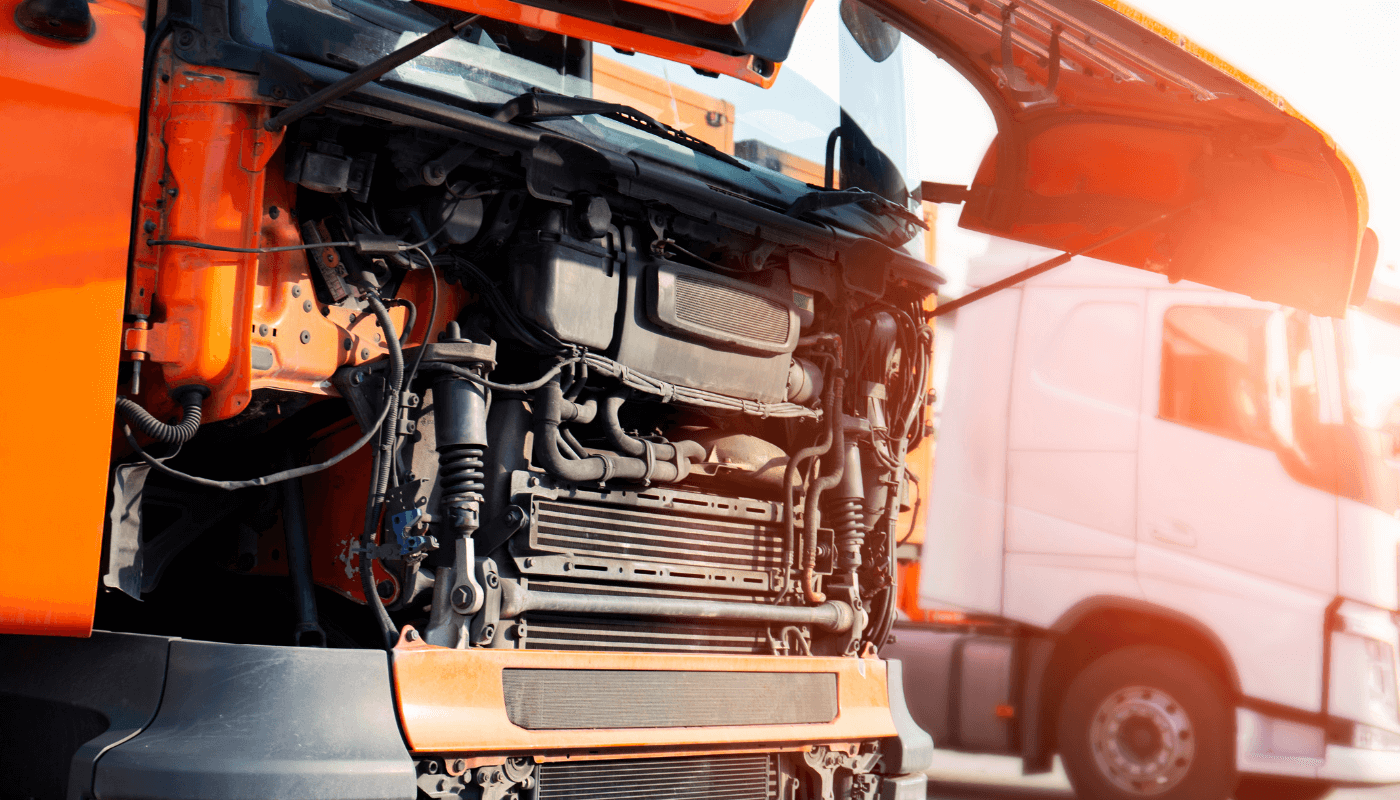
Engine rotation allows a vehicle to move correctly and gain speed.
The movement depends on internal engine components, including the crankshaft, which rotates as a result of the movement generated by the pistons. This rotation is also essential to a vehicle’s safety and performance.
Learn more:
- What is engine speed?
- What is the right engine speed?
- What issues can engine speed cause?
- How can you manage and keep track of engine speed?
- How does engine RPM influence fleet performance?
What is engine speed?
Engine speed counts how many revolutions per minute the engine makes to move the vehicle. It is also called “RPM”, short for “revolutions per minute”.
The crankshaft is not the rev counter: the rev counter or tachometer is the instrument used to measure and indicate engine revolutions.
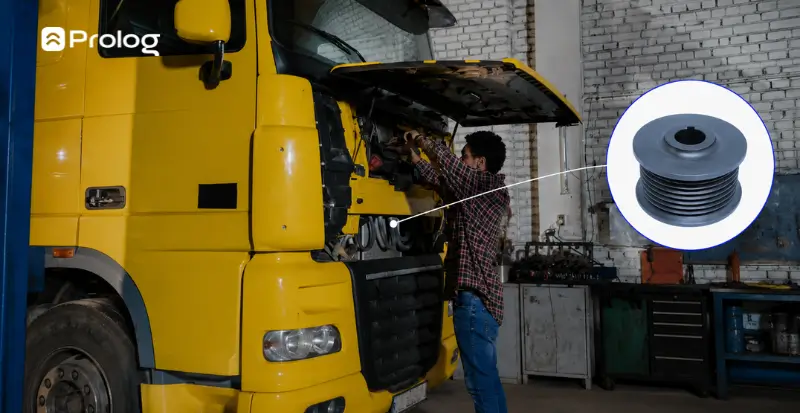
The crankshaft is an engine part that receives the movement of the pistons and turns it into rotation. More practically: combustion gases push the piston and this movement rotates the crankshaft, helping the engine turn part of the energy from combustion into work.
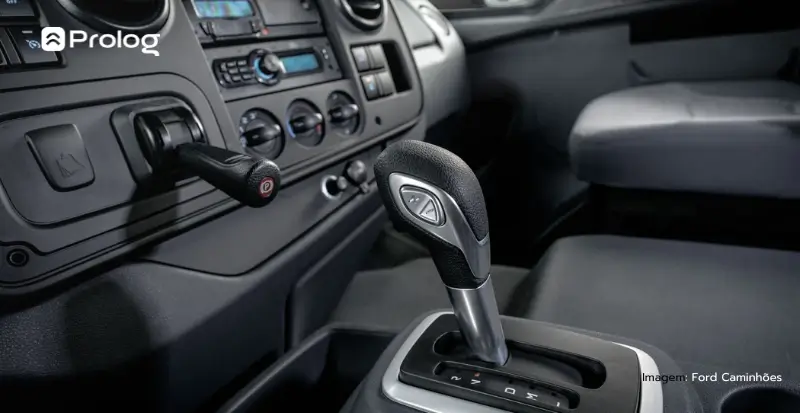
RPM is also related to the vehicle’s gear, which helps determine the power used by the engine with each movement.
It is also a performance indicator for the vehicle’s engine.
What is the right engine speed?
Engine speed is indicated in each vehicle’s manual and must be checked individually. This is because each engine type and its variations have different characteristics that affect performance and effort.
What issues can engine speed cause?
One issue that can result from above-average engine speed is wear on the parts of this vehicle component, especially those directly connected to the crankshaft.
Another issue occurs when engine speed is low, which can cause the vehicle to stall and lead to potential engine faults.
How can you manage and keep track of engine speed?
Vehicles generally display RPM on the dashboard, where symbols appear in green, yellow and red. Green means revolutions are in order; yellow is a warning indicating that the engine and its components may be experiencing wear.
Red means engine speed is very high and the issue may be more serious.
There are also other types of devices for managing this more precisely and recording data over time. One is the tachometer, an instrument that measures and displays engine revolutions. There are also technologies used in the industry to keep track of vehicle variables more quickly and precisely, provided they are applied with the right purpose and context.
Telematics, for example, is one of these industry technologies and can be used in specific solutions to collect information such as engine temperature and fuel consumption along a route.
How does engine RPM affect fleet performance?
It contributes to the preventive maintenance routine
When you manage engine speed and identify changes that should not occur, or low engine speed, you can send the vehicle for a service inspection and prevent a more serious issue from developing.
It helps with engine cooling
Preventing engine overheating is essential, and this is one of the factors that can help the vehicle run regularly — without damage from excessive heat.
Revolutions naturally generate heat, but if controlled properly, it will only be the normal amount, without damaging engine components.
It makes driving more comfortable
When revolutions per minute are within the normal range, the vehicle experiences fewer vibrations while moving. Gear changes are also easier and smoother, without juddering.
It extends the engine’s useful life
If revolutions are correct, no accelerated or excessive wear occurs. This already goes a long way toward ensuring the engine’s useful life.
Training the driver to identify whether revolutions are appropriate and what to do to correct any nonconformity increases the chances of giving the vehicle’s engine even greater durability and safety.
Another point is changing gears correctly, since gears influence the force the engine must exert and the number of crankshaft revolutions per minute.
It saves fuel
The harder the vehicle has to work, the more fuel it will use. This situation can occur when a gear is changed too early, increasing engine effort to reach the proper RPM.
It can also result from changing gears when revolutions are already too high.
Whether gears are changed too early or too late (at high revs), the engine will work harder and use more fuel. So, if you drive well and avoid actions such as excessive acceleration or harsh braking, you will see the difference in your fleet’s fuel expenses.
To better manage your fleet’s vehicles and their operating conditions, you need to keep regular records of the inspections carried out and the condition of the vehicles.
Frequently asked questions
What is engine RPM?
What is the right engine speed for my vehicle?
How can you keep track of engine speed in practice?
What happens if engine speed is too high or too low?
Does engine speed affect fuel consumption?
How can the driver help extend the engine’s useful life?
// newsletter
Fleet management content, straight to your inbox
Articles on tires, maintenance and fleet operations. No spam.