Trucks' environmental impact: causes and how to reduce it
 Jade Zart 4 min read

It is essential to understand trucks' true environmental impact and adopt effective fleet management measures to reduce it.
This is because truck manufacturing and operation are considerable contributors to air pollution, creating a significant challenge for fleet managers and transport companies, especially with the growing focus on environmental issues.
And these companies rely heavily on heavy-duty vehicles to keep their operations running.
Below, learn more about:
- The environmental impact of trucks;
- Main strategies to reduce these impacts;
- The importance of ESG in truck fleets;
What is the environmental impact of trucks?
Trucks' environmental impact can cover different aspects, especially considering ESG principles, which are regarded as the basis for sustainability practices.
Trucks' environmental impact can cover different aspects, especially considering ESG principles, which are regarded as the basis for sustainability practices.
These principles cover a company's environmental (Environment), social (Social) and governance (Governance) dimensions.
In the context of truck fleets, the main environmental impacts include:
CO2 and pollutant gas emissions
Trucks are responsible for a considerable share of CO2 and air pollutant emissions resulting from burning fossil fuels. These emissions contribute to air pollution and global warming.
This intensifies as a vehicle gets older, since it no longer operates with the necessary efficiency.
Gas emissions can also worsen when trucks do not undergo proper maintenance, as faults and impurities start to affect fuel combustion.
Fuel consumption
Trucks consume significant amounts of fuel, mainly diesel, affecting oil reserves and contributing to the exploitation of natural resources.
In addition, diesel is considered one of the world's most polluting fuels, since burning it is the main source of fine particles and gases that affect air quality.
However, in recent years, there has been a significant effort to explore more sustainable alternatives. This includes purchasing more modern, efficient vehicles, adopting electric or hybrid models and exploring alternative fuel sources.
Noise and air quality
Excessive noise is another relevant issue related to trucks' environmental impact, since engines and exhaust systems can be sources of noise pollution, affecting the quality of life of communities near freight transport routes.
In addition, trucks' air pollutant emissions also contribute to poor air quality, harming both the environment and human health.
Solid waste generation
Solid waste generation is a problem associated with operating truck fleets.
During maintenance and the disposal of parts and components, as well as everyday operations such as oil and tire changes, waste is commonly produced and needs to be managed responsibly.
Improper disposal of this waste can cause significant environmental impacts, including soil and water contamination.
Respiratory diseases
Respiratory diseases such as asthma and bronchitis are closely linked to exposure to airborne particles and pollutant gases. People who live or work in areas with a high concentration of trucks may therefore be more susceptible to these health conditions.
This issue falls under the social dimension of ESG principles, directly affecting public health.
It is essential for fleets to be aware of this impact and take steps to reduce their emissions, such as properly maintaining vehicles and adopting cleaner technologies.
Want to see this in your fleet? Talk to a Prolog specialist
Strategies to reduce trucks' environmental impacts
Using alternative fuels
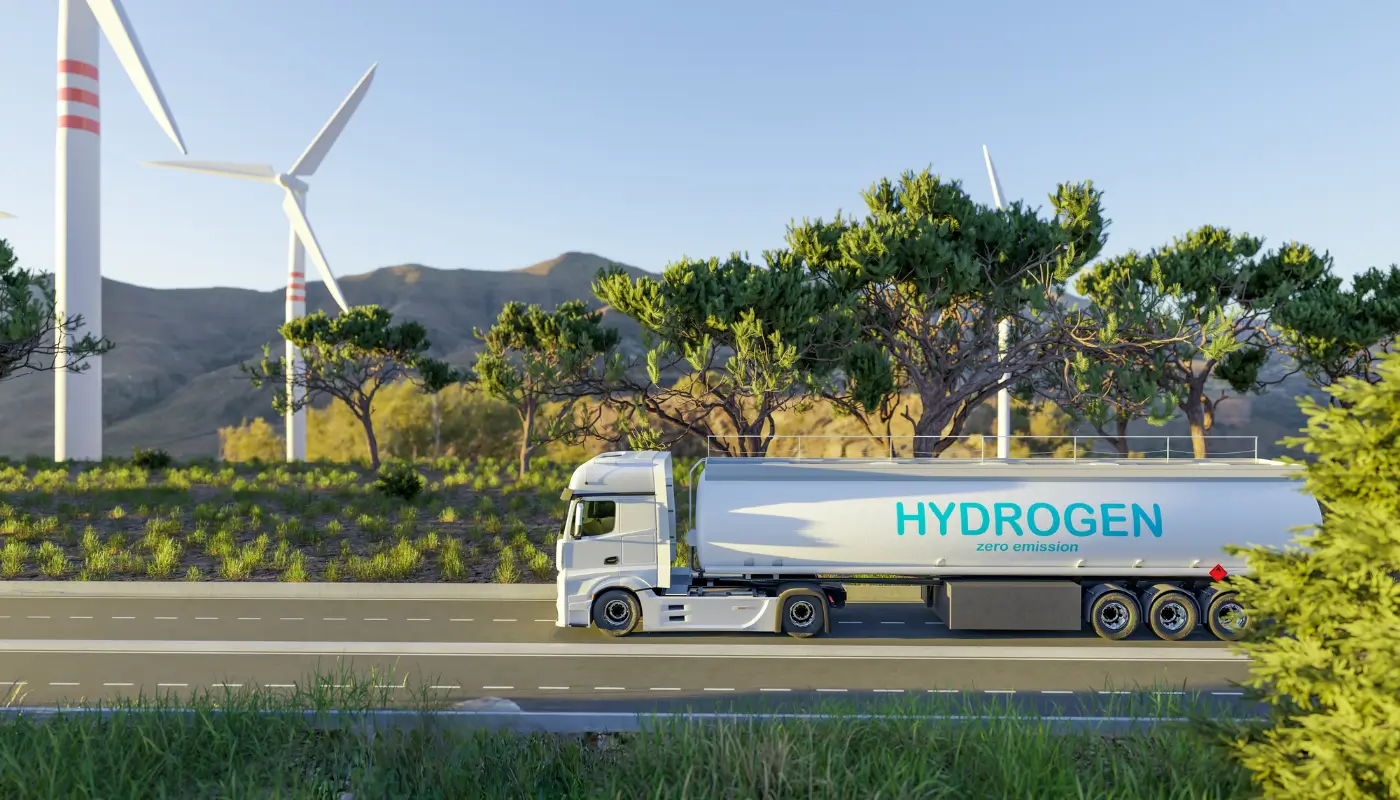
Replacing fossil fuels with cleaner alternatives such as natural gas, biofuels or hydrogen is an effective strategy for reducing pollutant emissions and controlling trucks' environmental impact.
Many fleets are transitioning to these alternative fuels, which are more sustainable and produce fewer harmful emissions.
Route optimization
Route optimization involves planning more efficient routes that minimize distance traveled, trip time and, consequently, fuel consumption and CO2 emissions.
It can therefore be an efficient strategy for reducing trucks' environmental impact.
Carrying out preventive maintenance
Preventive maintenance includes regular inspection and maintenance of critical components such as the engine and exhaust system to ensure they operate within environmental standards and avoid pollutant emissions.
Having a preventive maintenance routine in place and ensuring the activities are carried out is essential to keeping vehicles compliant.
Providing driver training
Educating drivers about eco-efficient and environmentally responsible driving practices can help reduce trucks' environmental impact.
Training that emphasizes economical driving, lower speeds and proper engine use is also essential for minimizing emissions and saving fuel.
Reverse logistics practices
Implementing reverse logistics strategies involves efficient goods returns, materials recycling and waste minimization, contributing to more sustainable transport operations.
Using electric truck models
Adopting electric vehicles, especially electric trucks, is becoming a powerful strategy for reducing pollutant emissions.
Electric trucks are more energy-efficient and produce zero tailpipe emissions, making them an environmentally friendly option for fleets.
The importance of ESG in truck fleets
The importance of ESG in truck fleets has increased significantly as environmental and social concerns intensify.
Environmental, social and governance principles provide a solid framework for evaluating and improving fleets' environmental and social performance, as well as corporate management.
For truck fleets, this means considering issues such as:
- Compliance with environmental regulations;
- Reduction of pollutant gas emissions;
- Promotion of safe driving practices;
- Respect for governance issues such as business ethics.
All these aspects are crucial to ensuring fleets align with ESG principles and contribute to a more sustainable, responsible future.
Keep learning about ESG, sustainability and sustainable, responsible transport by subscribing to our free newsletter.
Frequently asked questions
What is the environmental impact of trucks?
Why does an old or poorly maintained truck pollute more?
Why is diesel such a concern for fleets?
How can trucks' environmental impact be reduced?
What does ESG have to do with a truck fleet?
// newsletter
Fleet management content, straight to your inbox
Articles on tires, maintenance and fleet operations. No spam.