Fleet asset management: how to do it and benefits
 Jade Zart 5 min read
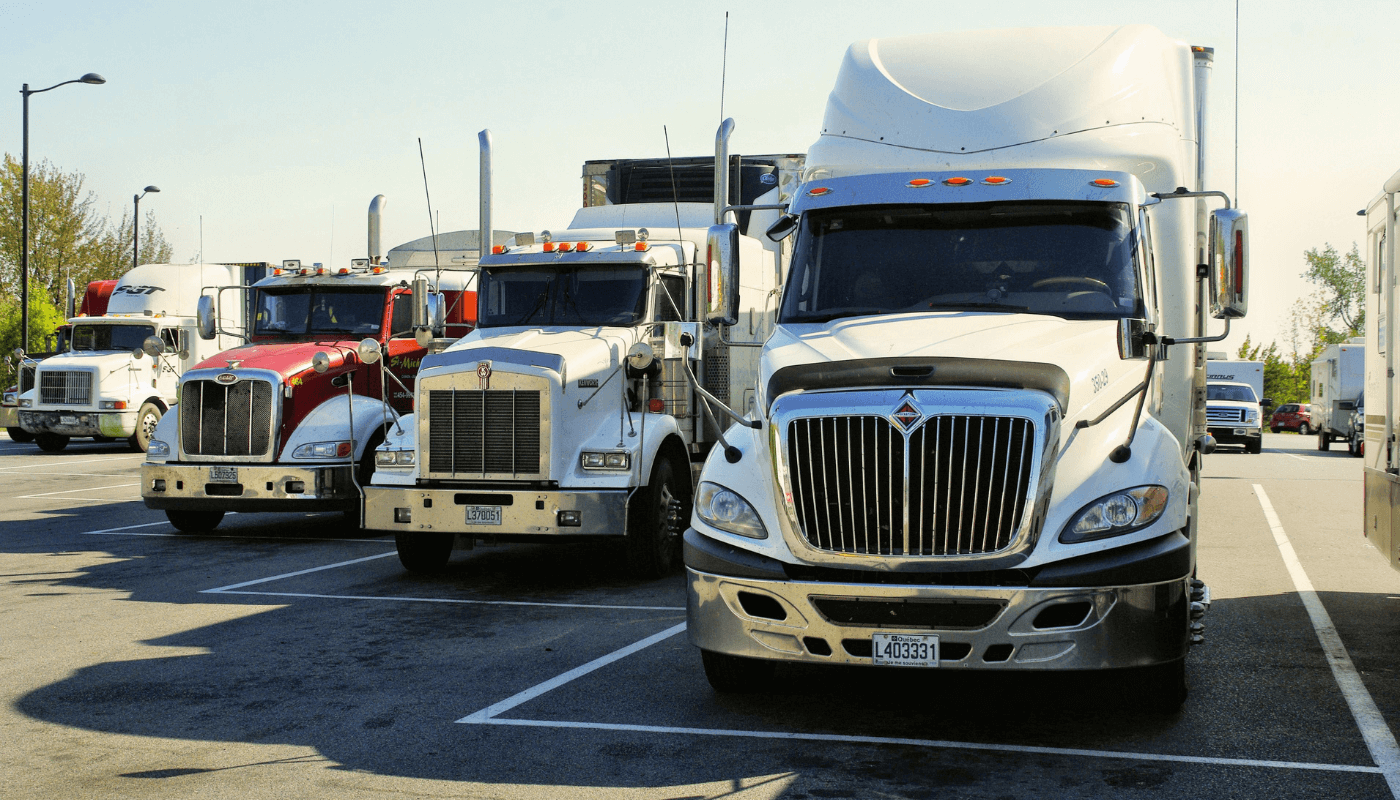
Vehicles are among a fleet’s most valuable assets because they are indispensable tools for transport operations. That is why asset management has emerged as a fundamental activity.
Unlike vehicle management, which aims to keep vehicles fully operational for as long as possible, asset management focuses on extracting value from the assets concerned.
Take a look below to learn more:
- What a fleet asset is;
- What asset management is and what it is for;
- Why fleet asset management matters;
- How to manage fleet assets.
What is a fleet asset?
The term “assets” can refer to any company property, tangible or intangible. This ranges from fleet vehicles to the tools and systems used to control transport operations.
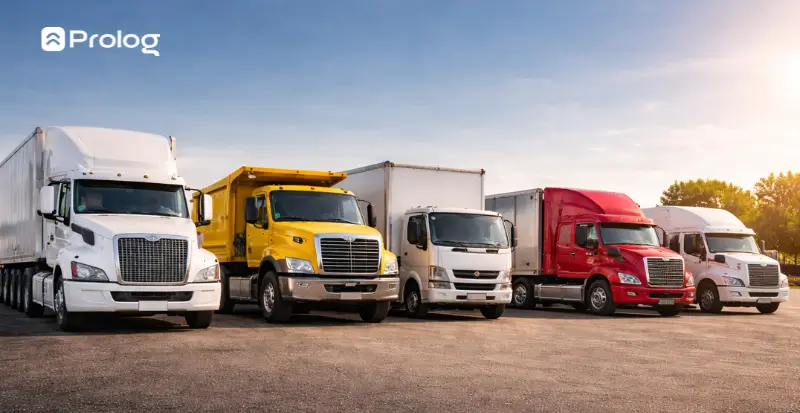
In fleets, the asset is generally a vehicle. However, other items, such as tires, inventory parts, warehouse equipment and so on, can all be considered transport operation assets.
What is asset management and what is it for?
Asset management is a way of controlling fleet property to prevent loss, damage or breakage. For company vehicles, this means carrying out maintenance and inspection routines, controlling services performed, managing risks, etc.
This fulfills the goal of this type of management: ensuring the amount invested in purchasing the asset is preserved and returned to the fleet.
How do you manage fleet assets?
Take an inventory of assets
Knowing your assets and their details is very important when starting a management plan. This is what an inventory count aims to do: identify each vehicle and build a database with detailed information such as make, model, year, mileage covered, documentation, and so on.
Adopt an asset management and control solution
A maintenance system, for example, is the best type of technological solution for seeing which vehicles belong to the fleet, understanding their availability, number of services performed, costs by license plate and much other crucial information to optimize your asset management.
Keep track of asset life cycles
Understanding each fleet vehicle’s performance from purchase to “disposal,” whether it reaches a stage of inactivity or it is simply time for fleet renewal, helps identify the best vehicles for the transport operations performed.
A cost-per-kilometer calculation for each vehicle can be used for this.
Have qualified professionals
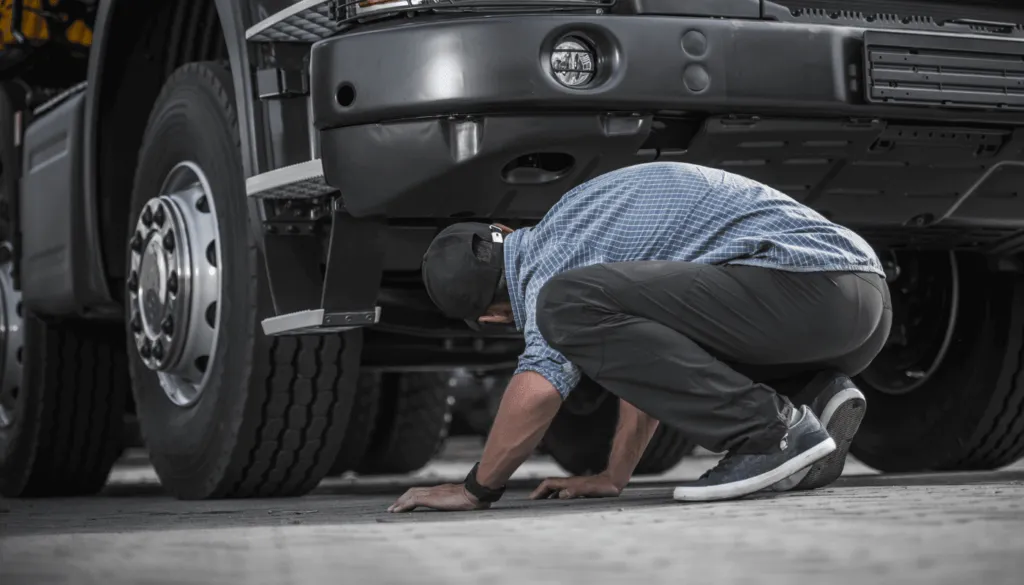
To keep a vehicle in good condition, drivers must understand the importance of their role. They are responsible for driving, which directly affects vehicle condition, and generally should carry out a daily inspection checklist on these assets to identify occasional issues.
If they do not fulfill their obligations, your assets may lose useful life or become more problematic and costly to the company.
Consider legislation and technical standards
Following the laws and technical standards established for each vehicle type, fleet and operation is fundamental to preventing a loss of quality in your company’s service. Each manager should know which rules apply to their company.
Have a maintenance plan
Maintenance is a stage that cannot be neglected in asset management. It ensures vehicle condition and corrects issues whenever necessary.
Asset maintenance also generates a history of issues and budgets used, contributing to highly accurate demand forecasts and generating information for tools such as a fleet fault tree.
Therefore, keeping track of asset health and identifying the issues you face in your operation is the best way to identify solutions that will actually bring satisfactory results to your company.
Evaluate the results of your actions
Currently, data-driven management is one of the biggest trends in transport because what happens in each operation is individual, and actions will have different results under different conditions.
As you implement actions, metrics should be established so data is continuously collected and analyzed to verify whether those actions had the expected effect or you need to make improvements.
This is summarized in the method known as the “PDCA cycle”: plan, execute, check and analyze.
Why does it matter for fleets?
Carrying out this type of fleet control helps ensure operational time and money are well used. Fleet managers benefit when items with high purchase costs, such as vehicles, perform as well as possible and last longer.
Furthermore, good asset management generates benefits such as:
Increased productivity
Keeping servicing and maintenance up to date is one of the activities defined by fleet asset management, and it is fundamental to ensuring vehicles function properly.
This means fewer issues and unexpected events occur on fleet routes and trips, generating greater productivity in daily operations.
Reduced operating costs
Besides greater productivity, this care for fleet assets reduces operating costs. This happens in several ways:
- Maintenance cost savings, since there are fewer issues involving unscheduled services.
- Lower tire replacement costs, because tires last longer when inspected more frequently and inflated according to their identified ideal pressure.
- More efficient fuel consumption, since maintaining ideal driving conditions, with the vehicle and tires in perfect condition, ensures fuel burns in the most appropriate way and also produces savings in this area.
Predictability in decisions
Asset management processes place greater emphasis on collecting and analyzing asset data. This allows more concrete decisions and accurate forecasts for asset replacement, purchasing, refurbishment or other activities.
Better risk management
When seeking greater value from fleet assets, more attention is also given to the risks they face. Even more important is knowing which solutions to adopt for each hazard.
Possibility of fleet expansion
By adopting an asset management routine and achieving the expected results, you can start directing the savings generated toward, for example, planning and carrying out fleet expansion.
More efficient vehicle depreciation control
Since extracting value from fleet property and improving investment returns are among this type of management’s main interests, vehicle depreciation will receive more attention than ever.
Actions to prevent depreciation and ensure resale values are identified and begin to be applied daily in your operation.
For an even better understanding, see our free, comprehensive resource on “How to use fleet management to increase productivity and savings.” Download it here (in Portuguese).
Frequently asked questions
What is the difference between asset management and vehicle management?
What counts as an asset in a fleet?
How do you start managing fleet assets?
My vehicles are losing value too quickly — what does asset management solve?
What does the fleet gain by treating vehicles and tires as assets?
How do you know whether asset management actions are working?
// newsletter
Fleet management content, straight to your inbox
Articles on tires, maintenance and fleet operations. No spam.