Fleet maintenance control: practical lessons
 Jonatan Fernandes 11 min read
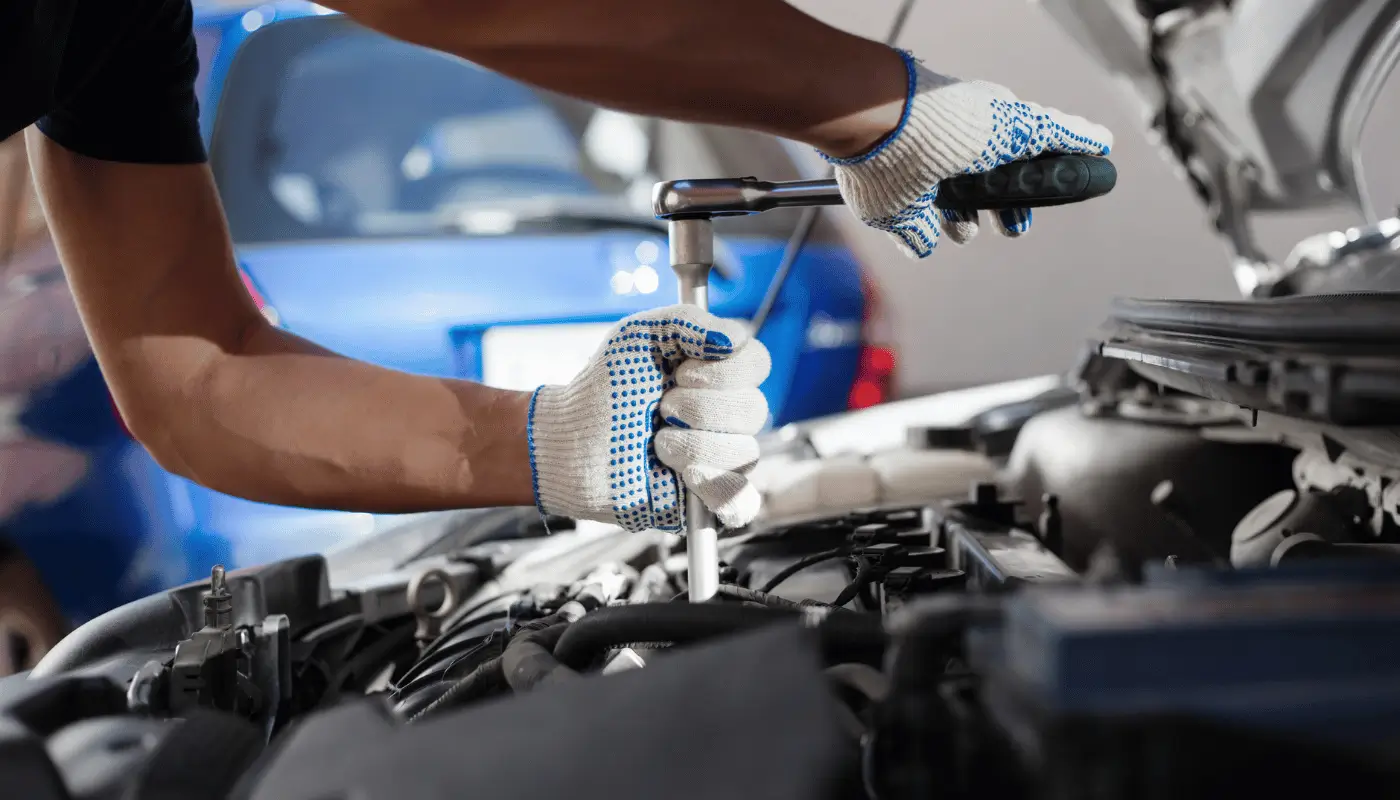
In my more than 20 years in the transport and logistics sector, I have learned that fleet maintenance control is one of the pillars for transport operations to run well.
Managing this area well not only optimizes operating costs, but also extends the useful life of vehicles and reduces the chance of unexpected failures that can cause major disruptions.
And this control can involve several activities, from regular vehicle inspection to detailed analysis of performance data. Over the years, I have come to better understand what this management is, which practices optimize the routine and which promises need to be handled with care so they do not turn into a false guarantee.
Here are the topics we will cover next:
- What fleet maintenance control is
- The types of maintenance
- The importance of vehicle maintenance control
- How to carry out maintenance control
- Maintenance management activities
- How to implement maintenance control in the fleet
- How Prolog App developed a solution for your fleet's maintenance control
What is fleet maintenance control?
For me, fleet maintenance control is a set of practices and procedures to ensure that all the vehicles in a fleet are in excellent working order.
This means, for example, keeping track of the vehicles' condition, carrying out regular inspections and scheduling preventive maintenance.
This management is not limited to reacting when a problem appears; it involves anticipating possible failures and implementing corrective actions before they become bigger problems.
Want to see this in your fleet? Talk to a Prolog specialist
What are the types of maintenance?
The main types of maintenance are corrective, preventive and predictive. However, over the years, new types of maintenance have begun to emerge, driven by the evolution of fleet technologies, including prescriptive, proactive, smart and data-driven maintenance.
Corrective maintenance
This type of maintenance takes place after a failure or problem has been identified.
It is the repair needed to correct defects that have already appeared and, although it is unavoidable, relying exclusively on it can be expensive and result in unwanted downtime.
The best way to use corrective maintenance in the fleet is with planning and service scheduling — which can be done through the preventive maintenance routine.
Preventive maintenance
This type of maintenance is planned and carried out regularly to avoid failures and ensure that vehicles are always in good working condition.
Activities such as oil changes, brake checks, tire calibration and alignment are part of preventive maintenance. Its main objective is to anticipate problems before they cause greater damage.
Vehicle inspection checklists are also part of the preventive routine.
Predictive maintenance
It uses advanced techniques and technology to predict when a failure may occur.
Through continuous condition monitoring and the analysis of vehicle performance data, it is possible to identify patterns and signs of wear, allowing intervention before it becomes a problem.
Prescriptive maintenance
An evolution of predictive maintenance, prescriptive maintenance not only predicts when a failure may occur, but also recommends specific actions to prevent the failure or avoid it completely.
Using more sophisticated data analysis, this approach offers detailed and targeted solutions.
Proactive maintenance
It focuses on preventing failures through the analysis of the root causes of problems. Instead of just correcting failures, proactive maintenance seeks to eliminate latent causes to prevent problems from recurring.
Smart maintenance
Integrated with Internet of Things (IoT) and artificial intelligence (AI) technologies, smart maintenance enables real-time monitoring and diagnostics. This makes it easier to make informed decisions and implement corrective actions more quickly and accurately.
Data-driven maintenance
It is based on the continuous collection and analysis of vehicle performance data. Using big data and advanced analytics, this approach helps optimize maintenance, reduce costs and increase operational efficiency.
The importance of vehicle maintenance control
Safety is the main reason to maintain maintenance control. Regularly inspected vehicles tend to expose the operation less to mechanical failures without warning, which reduces risks for drivers, cargo and third parties.
Consuming less fuel and reducing wear on parts and components is also important and achievable through good maintenance management.
Properly inflated tires, for example, are safer, last longer and can improve fuel economy by 0.6% on average, reaching 3% in some cases. Using the engine oil recommended by the manufacturer can also improve fuel economy by 1% to 2%.
This saves money on fuel and repairs, in addition to keeping vehicles on the road longer and avoiding unexpected stops. When warnings and failure symptoms are ignored, the consequence can show up later in more expensive repairs.
It is also worth mentioning that vehicle maintenance control helps optimize operating costs. Even though the initial investments to implement different types of maintenance may be high, in the long run you will see that it was worth it.
How do you carry out maintenance control?
To start maintenance control for your fleet, you need to create a detailed plan that covers every stage of the process, from the initial inspection to the analysis of results.
Identify the vehicles in your fleet and the maintenance processes each one needs. This way you will have an information base to define the maintenance schedule.
Remember to consider the vehicles' mileage, time in use, operating conditions and the manufacturer's recommendations to determine how often inspections and services take place.
Then you need to make sure that everyone involved is aware of the schedule and of their responsibilities. Communication with the team is essential so that everyone knows how to carry out their activities properly.
Another important aspect is to collect and analyze data, keeping track of performance indicators that support smarter decision-making.
Technology is an indispensable ally in this process. Using a maintenance management system makes it possible to automate many of these tasks, making it easier to keep track of and record maintenance activities.
With this, you can keep track of each vehicle's history, identify wear patterns and better plan corrective actions.
Maintenance management activities
Vehicle control
Vehicle control includes the daily control of vehicles entering and leaving the operation's base. It is also essential to check which vehicles are in good condition to run or should be held back until some corrective service is carried out.
This control seeks to ensure that all trucks are in excellent working order, so that the company does not lose time or money. In addition, it is an important way to identify problems quickly, finding them as soon as the vehicle returns from a route or during a scheduled inspection.
The professional responsible for this function usually schedules preventive maintenance inspections and controls the repair needs of all vehicles, approving corrective maintenance when necessary.
Fleet inspection
Fleet inspection, using a vehicle checklist, optimizes the trucking company's operating routine, taking extra care of the trucks and keeping the health of the assets under control.
The main advantages I observe are:
- Greater vehicle efficiency
- Lower risk of accidents related to mechanical failures
- Fewer avoidable corrective maintenance jobs
- Fewer mechanical problems during routes
- More predictability for meeting delivery deadlines
To get closer to these benefits, the inspection needs to happen regularly. In most of the success stories I see, a maintenance schedule is used to promote better organization and effective results.
Through it, the maintenance manager considers the last services performed and identifies the ideal dates for servicing the vehicle preventively — before the problem happens.
Defining and analyzing performance indicators
Performance indicators (KPIs) make it possible to keep detailed track of the actions taken and to analyze what is working and what can be improved.
Some examples of KPIs in fleet maintenance control that I consider essential are:
- Mileage driven
- Parts wear
- Number of maintenance jobs per vehicle
- Number of maintenance jobs per driver
When putting together a maintenance plan for the fleet, I consider which KPIs are most suitable for the company's objectives and goals. It is also important to identify in advance the means to collect and measure this information.
This way, I can determine the plan's priorities and achieve the expected results more quickly. In management systems, indicators such as operational availability, MTBF, MTTR, the preventive/corrective ratio and CPK (cost per kilometer) can also be included, as long as they make sense for the reality of the operation.
Parts procurement and inventory control
Keeping an inventory of parts and components for repairs and maintenance is essential, helping to control spending and reduce the time vehicles sit idle in the garage or workshop.
Proper management not only increases organizational capacity and quality control, but also ensures that maintenance demands are met quickly.
Directly related to purchasing and restocking parts in inventory is fleet budget planning.
Gathering quotes for services
There is no way to control a company's finances without defining the correct budget for each service. If the fleet's vehicles need repairs, you need to set aside resources, contact several workshops in search of the best prices and so on.
That is why I consider it important to reserve a percentage of revenue for contingencies.
For example, the monthly and annual amounts for the fleet's preventive maintenance, which are extremely important, need to be considered when creating a financial reserve for running the operation.
Approving or rejecting maintenance services
The work order is an essential tool for control and planning in fleet maintenance. It is through it that managers receive service requests for the trucks.
It is up to the fleet manager to evaluate the requests and ask workshops for quotes so that the services can be carried out.
Then, by evaluating the available budget, the quote received for the services and the criticality of each failure, the repairs that should go ahead are approved. Whatever can wait should be postponed only when this does not compromise safety, compliance or the operation's minimum availability.
Creating reports for the fleet manager's analysis and decision-making
This is also where the importance of defining and keeping track of performance indicators comes in.
This data is used to create analysis reports that compare what is working and should be kept with what needs to change, for the manager's decision-making.
Always aiming to improve the performance of each function and grow the trucking company, I consider the collaboration of everyone involved in the process essential, so that we have real and sufficient information at this stage.
Meetings between managers and employees are essential to check on the progress of tasks and whether everyone is following their routine.
Among the tools available for fleet maintenance control, Prolog offers the maintenance management system and the Electronic checklist, where you can create inspection checklists, open work orders and keep track of the maintenance history in automatic, detailed reports.
How do you implement maintenance control in the fleet?
Implementing maintenance control in the fleet involves a set of well-defined steps and the commitment of the entire team. Here is a step-by-step guide based on my experience:
Conduct an initial diagnosis
The first step is to carry out a complete diagnosis of the fleet to understand the current condition of each vehicle. This involves a detailed inspection and collecting data on mileage, conditions of use and maintenance history.
With this information, you can identify the critical points that need immediate attention.
Establish a preventive maintenance plan
Based on the initial diagnosis, develop a preventive maintenance plan that includes regular, scheduled inspections, oil changes, and checks of tires and other critical components.
Define time and mileage intervals for each service type, considering the manufacturer's recommendations and practical experience.
Train the team
It is essential that everyone involved, from drivers to mechanics and managers, is trained to follow the maintenance plan.
Hold regular training sessions so the team stays up to date on best practices and the use of management tools. Even awareness of the importance of preventive maintenance should be constant.
Evaluate performance
Use reports to analyze performance indicators, identify areas for improvement and adjust strategies as needed. The pursuit of excellence in maintenance management is continuous and requires dedication and commitment from the entire team.
Use a maintenance management system
Technology is an indispensable ally in maintenance management. Use a maintenance management system, such as Prolog App, to record all maintenance activities, keep track of performance indicators and generate reports.
This system automates preventive maintenance by mileage or by schedule and makes it easier to control activities, helping to ensure that nothing is forgotten or neglected.
How did Prolog App develop a solution for your fleet's maintenance control?
At Prolog, our mission has always been to develop solutions that simplify and optimize fleet management.
Knowing how important maintenance control is for safety and operational efficiency, we developed a tool that brings maintenance needs together in a single system.
Prolog App maintenance management makes it possible to centralize all of the fleet's maintenance information on a single platform and automate tasks.
In addition, the platform opens work orders automatically when an issue is identified in the vehicle inspection carried out by the team. It is also possible to open standalone work orders.
Another feature we consider indispensable is report analysis and generation, so you can make more informed and strategic decisions. That is why reports are generated automatically from the data recorded in the system.
And speaking of integration, we understand that fleet management involves many aspects beyond maintenance, and our solution can be integrated with platforms and ERPs on the market when that setup makes sense for the operation.
If you want to learn more about Prolog App for fleet maintenance control, book a free demo with one of our specialists.
Frequently asked questions
What is the difference between preventive, predictive and prescriptive maintenance?
I have never controlled maintenance in my fleet. Where do I start?
Which indicators should I keep track of in maintenance control?
How do I plan the fleet maintenance budget?
Is it worth inspecting the fleet with a checklist?
What changes when you adopt a maintenance management system?
// newsletter
Fleet management content, straight to your inbox
Articles on tires, maintenance and fleet operations. No spam.