Fleet maintenance: 7 tips to optimize operations
 Jade Zart 4 min read
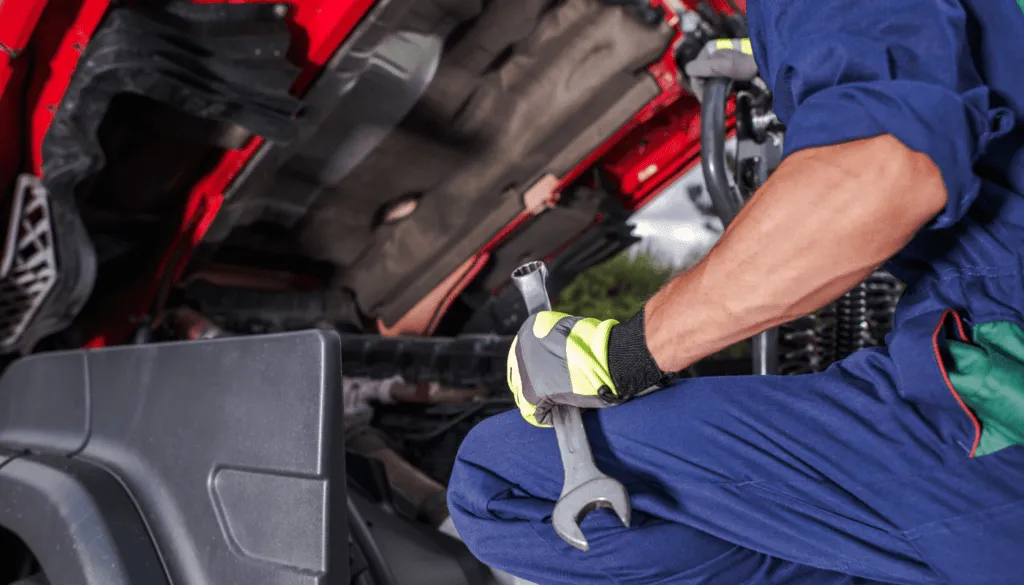
Fleet maintenance that is not organized and planned results in poor fleet performance, which can disrupt the flow of deliveries.
Logistics optimization is important for company growth and standing out in the market. Part of it involves improving vehicle maintenance processes, whether by changing existing processes or implementing new actions in the routine.
We have put together some tips for you to apply and make your operational routine more efficient. Read on for more details:
- Understand the different types of maintenance;
- Have skilled staff;
- Use parts inventory and purchasing controls;
- Keep track of parts that wear out faster;
- Control tires;
- Record all information.
- Schedule maintenance.
First, learn a little more about why you should adopt these measures in your fleet:
Why do you need to follow these fleet maintenance tips?
They help reduce corrective maintenance, which generally costs a lot, keeping fleet vehicles in good operating condition at all times.
As a result, operating costs decrease, since many components are well maintained and working as they should. This efficiency also affects safety, as the chance of accidents caused by failure is reduced.
Remember that fuel consumption also decreases. With a healthy engine and tires in good condition, driving does not strain the truck component, burning less fuel.
Vehicle care benefits everyone, as deliveries stay on schedule, trucks stay on the road, drivers travel more safely and managers save on their budget.
Operational tips for fleet maintenance
Understand the different types of fleet maintenance
There is plenty of talk about maintenance, but do you know the different types a vehicle can undergo? They are corrective, preventive and predictive.
In the first case, vehicles go straight for repairs after a moderate to serious issue is identified. A truck can spend days or weeks stopped in the workshop for corrections.
In the second case, daily and periodic inspections identify minor issues, such as worn parts or services like oil changes, filter cleaning, etc.
In the last case, predictive maintenance, you need more resources available to install the necessary technologies. This is a type of maintenance requiring tags and sensors to read the vehicle's vibrations and sounds and identify small changes indicating issues.
Have trained staff
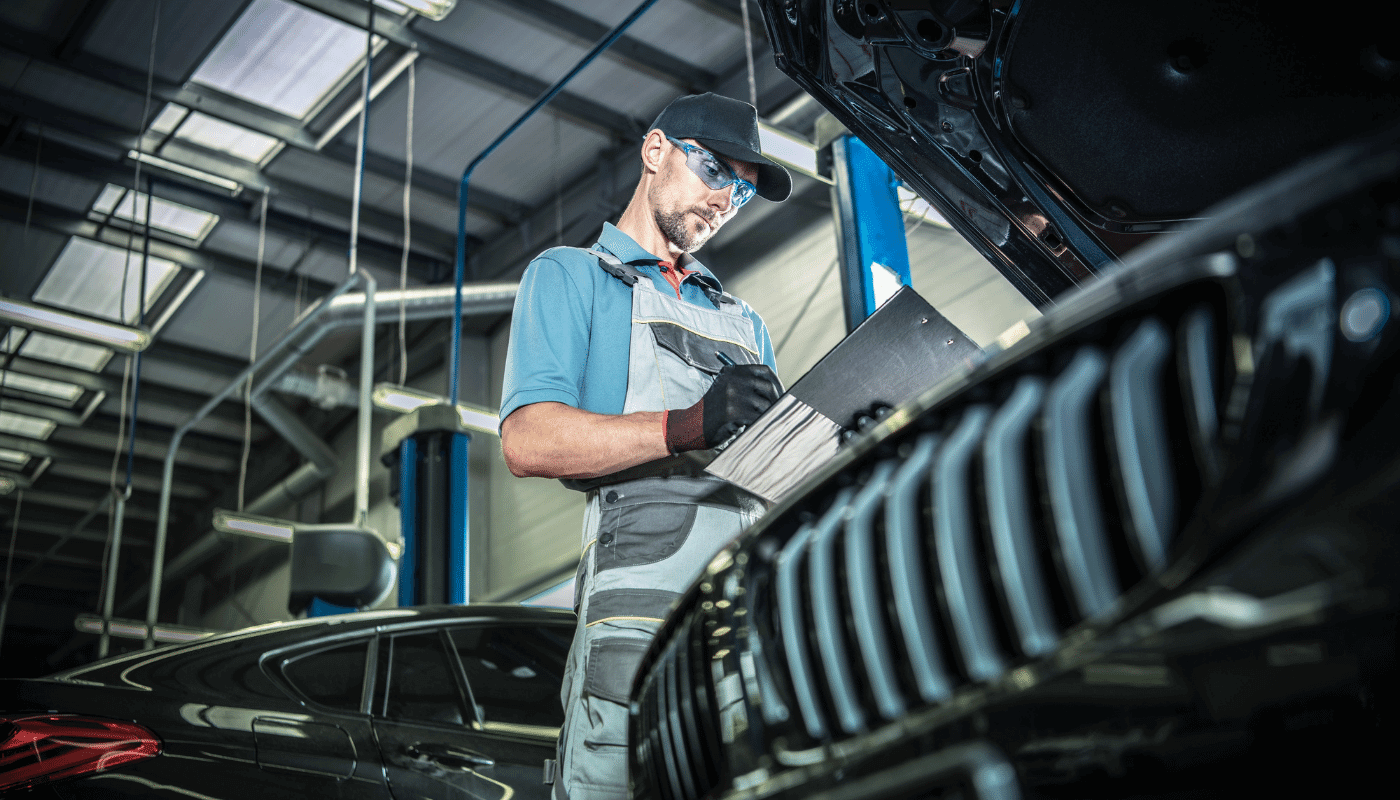
For better results in fleet maintenance management, have qualified, up-to-date professionals who seek to specialize in the types of vehicles the company owns.
It is also essential to invest in courses that improve employees' skills. This way, you retain quality people interested in growing and generating results for the company.
Maintenance staff include drivers as well as mechanics. Drivers have the primary task of inspecting vehicles using the checklist and identifying possible issues and services to report to the workshop.
Use parts inventory and purchasing controls
Many maintenance services require parts to replace truck items that show wear, have failed or have reached the end of their useful life.
Besides having inventory to make these replacements quickly, it is important to have suppliers' contact details readily available to acquire new parts when needed.
Using a maintenance management system that optimizes the search for quotes and organizes parts already held by the company makes it much easier to recognize purchasing needs and place orders in advance.
Keep track of parts that wear out faster
With fleet vehicle controls and maintenance history, it is easier to identify when truck components have reached the end of their useful life and need replacement.
This should be done using appropriate maintenance indicators, such as MTBF.
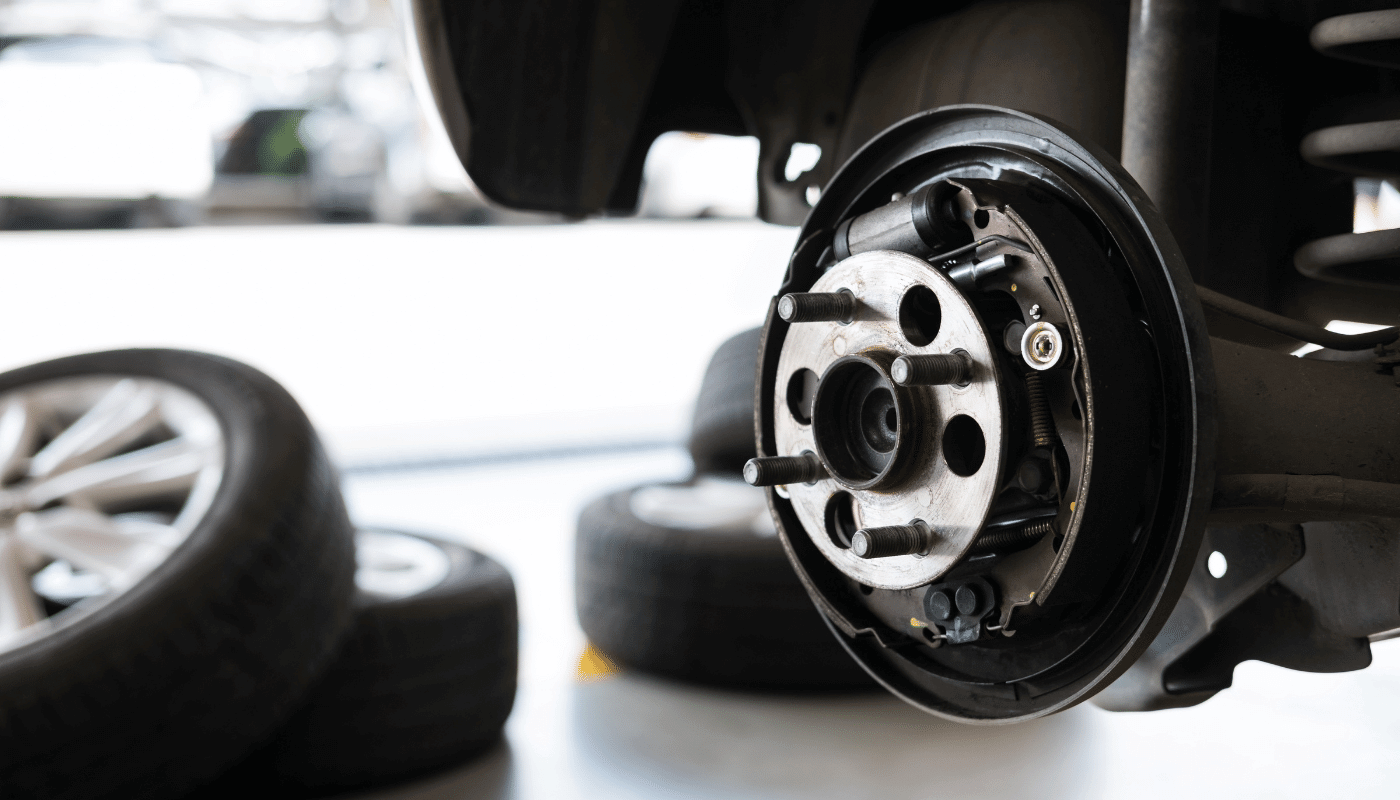
Some important items to watch are tires, filters, brake pads, batteries and wipers.
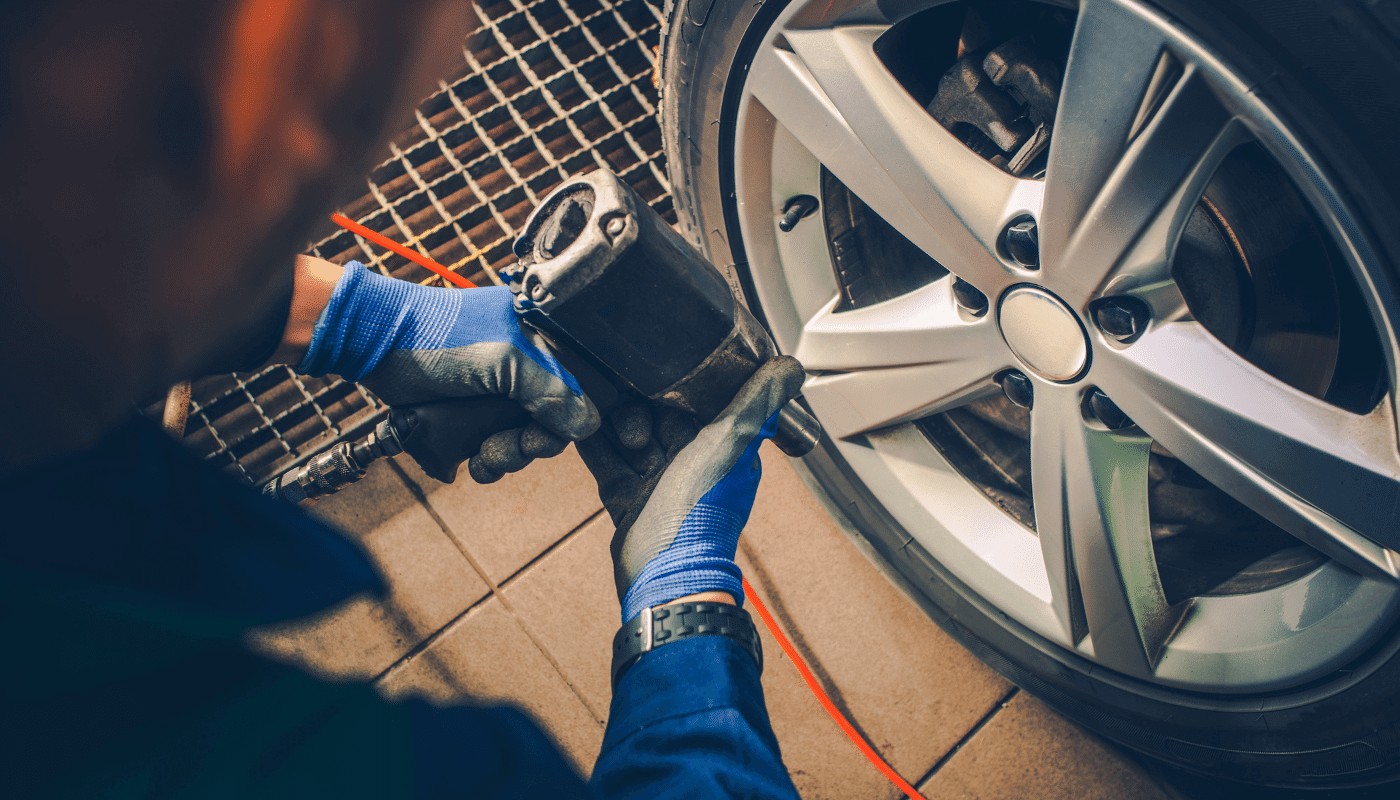
Tire control
By keeping information such as the fire-branded ID, installation date, truck license plate and maintenance records under control, it is much easier to ensure more efficient results on the road and extend asset useful life.
Looking after tires is directly connected to safety and proper truck operation, providing the best possible conditions for routes and travel.
Record all information
The only way to control fleet costs and vehicles is by recording information. This is especially important for evaluating the data generated and understanding crucial aspects of the operation, such as which trucks are the most efficient and economical.
Besides printed and digital spreadsheets, today's market offers many systems that make overall fleet administration easier, archiving documents in the cloud and allowing immediate consultation.
Schedule maintenance
For transport companies with many vehicles, the best way to control maintenance is to schedule and plan inspections and repairs.
In other words: advance organization.
This way, you prevent vehicles from failing during deliveries by allowing maintenance before wear deadlines for parts and components are exceeded or forgotten.
It also reduces maintenance costs caused by unexpected issues.
This can be done through fleet maintenance management planning. See how to create your maintenance plan like a specialist.
Frequently asked questions
What are the types of fleet maintenance?
Why does planning fleet maintenance reduce costs?
Which truck parts wear out faster?
What is the driver's role in fleet maintenance?
How can tires be controlled in fleet maintenance?
// newsletter
Fleet management content, straight to your inbox
Articles on tires, maintenance and fleet operations. No spam.