Freight transport risks: what they are and how to cut them
 Jean Zart 7 min read
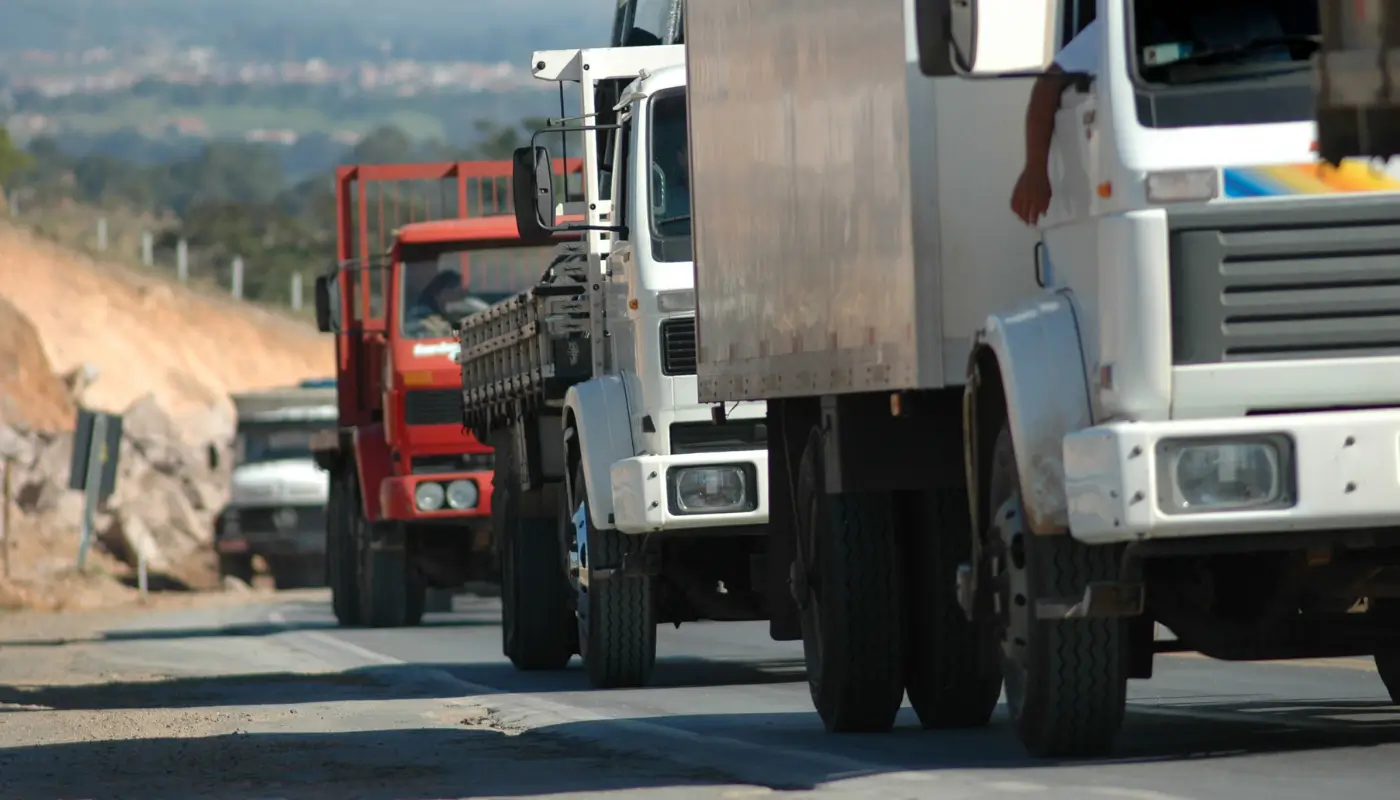
Freight transport in Brazil is vital for the economy to function, but it faces several risks that can compromise the progress of operations.
From the poor condition of the roads to the threat of theft, fleet managers' attention must be constant.
Data from the National Association of Freight Transport and Logistics (NTC & Logística), in Brazil, show that cargo theft alone generates annual losses of more than R$1 billion. Among the other problems faced, the overall consequences are considerable.
Find out more below:
- What are the biggest freight transport risks
- How to deal with these risks and increase transport safety
- 5 steps to implement or improve your fleet's risk management
What are the biggest freight transport risks?
Poor road infrastructure
Brazil's road network is responsible for more than 60% of the cargo transported, but it faces serious infrastructure challenges. Poorly maintained highways increase operating costs and the risk of accidents.
Although there has been investment in road improvement works in the last year, there are still many stretches of asphalt that are full of potholes, uneven or even nonexistent.
To minimize this impact, detailed route planning, using smart routing tools, can avoid the most critical stretches and reduce unnecessary costs.
Want to see this in your fleet? Talk to a Prolog specialist
Vehicle overloading
Overloading is a common risk in road freight transport, especially when companies try to reduce costs in the short term.
Carrying cargo above the permitted or recommended limit not only increases the risk of accidents, but can also lead to fines and penalties.
Another problem is that overloading compromises the integrity of the vehicle, causing premature wear of tires, suspension and other essential components.
Besides being risky, this practice does not generate savings in the long term. The manager should focus on optimizing the use of the fleet through digital tools and data analysis to drive improvements without compromising safety.
Cargo care
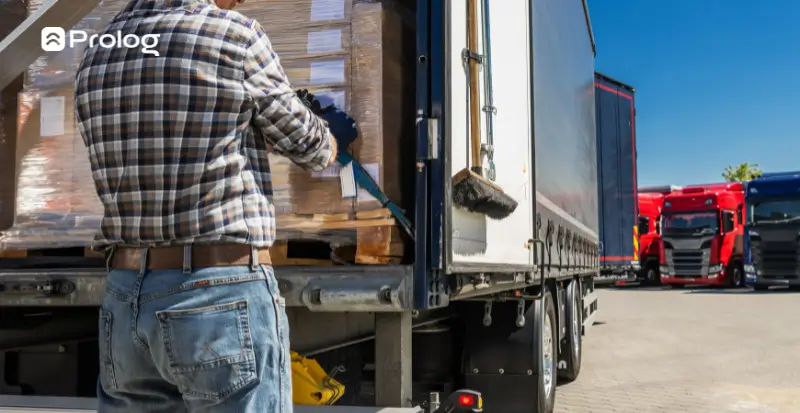
Lack of care with the type of cargo transported can cause losses. Poorly packed products, improper handling or the wrong choice of vehicle can compromise the quality of the goods and increase the risk of losses and customer complaints.
For example, frozen products require refrigerated trucks that ensure the ideal temperature throughout the entire trip.
Staff instruction and training
Lack of training for drivers and other employees exposes the operation to the risk of accidents, fines and even damage to the company's image.
Untrained drivers may adopt inappropriate driving practices, such as speeding or harsh braking, which increase fuel consumption, wear out components and compromise safety.
Invest in regular training on defensive and economical driving and regulatory compliance. Establish clear standards of conduct and keep the team aligned through periodic assessments.
Vehicle maintenance costs
A lack of preventive maintenance increases the risk of mechanical failures and accidents. In addition, poorly adjusted or substandard parts compromise vehicle performance and raise operating costs.
Defining parameters and schedules for activities such as the vehicle checklist and tire management is vital to keep costs under control and fleet efficiency high.
Cargo theft
Brazil is one of the countries with the highest rate of cargo theft in the world. Recent data indicate that about 80% of thefts occur on road stretches in São Paulo and Rio de Janeiro. Electronics, medicines and food are among the most targeted products.
To combat this danger, it is necessary both to adopt real-time tracking and monitoring systems, such as telematics and geolocation, and to choose safe times and routes, working with escorts in high-risk areas and training drivers for emergency situations.
Fines and seizures
Infractions such as excess weight, irregular documentation and failure to comply with environmental standards lead to high fines and vehicle seizures, impacting delivery deadlines and the cost of the operation.
If the fleet manager is unaware of any of the rules, or has outdated knowledge of them, an infraction may occur along the way.
In cases of more serious infractions, the vehicle may even be seized, which causes problems such as delays in delivering the cargo, damaged goods and increased expenses.
As an alternative, use a digital management system to keep track of compliance with Brazilian legislation, such as PROCONVE (Brazil's vehicle emissions control program) and the MOPP course (Brazilian training on the Handling of Dangerous Goods) for drivers.
How to deal with these risks and increase transport safety?
The first step is to implement detailed planning that makes it possible to identify the specific risks of the operation. This includes mapping the routes with the highest incidence of problems, such as cargo theft or poor road conditions, and adopting strategies such as choosing alternative routes and safer times for transport.
Taking advantage of modern technologies, such as telematics systems and geolocation tracking, makes it possible to monitor the location of vehicles, driver performance and cargo conditions in real time.
They can also issue automatic alarms, and notifications can be configured to alert about route deviations or unauthorized stops, increasing control over the operation.
Another critical point to avoid and reduce freight transport risks is preventive vehicle maintenance. Trucks and other heavy vehicles should undergo regular inspections to ensure they work fully.
Preventive maintenance, combined with digital checklists and an up-to-date history of work orders, reduces unexpected failures and improves safety on the roads.
Replacing worn parts and checking systems such as brakes, tires and suspension help reduce the risk of mechanical failures, which can compromise both the safety and the efficiency of transport.
For more sensitive cargo, such as high-value or dangerous products, additional measures may be needed.
For example, the use of escorts in high-risk areas and reinforced security protocols, such as the adoption of specialized equipment for transport and handling.
Finally, the analysis of performance indicators is essential to identify failures and improve processes.
By keeping track of metrics such as average delivery time, operating costs and frequency of incidents, the manager can make better-informed decisions to adjust strategies and ensure a safer operation.
5 steps to implement or improve your fleet's risk management
Map the operation's risks
This ranges from road conditions, such as potholes and dangerous stretches, to the risk of cargo theft in specific areas. Use historical data and incident reports to create a complete map.
Also understand which types of cargo transported require special care, such as dangerous or perishable products, which may call for specific regulations and equipment.
Create safety policies and protocols
With the risks mapped, establish clear policies and protocols that standardize the response to these risks. This may include procedures for vehicle inspection, guidelines to avoid overloading and defensive driving practices.
You can develop a guide that instructs drivers on how to act in an emergency, such as a theft or accidents, and include regular training to reinforce these guidelines.
Implement monitoring and tracking technologies
Invest in telematics and GPS tracking systems to monitor vehicle location and driver behavior in real time.
Load sensors, tire monitoring devices and fuel control systems also help prevent failures and reduce operating costs.
The integration of this data into centralized platforms provides a complete view of the operation, making strategic decision-making easier.
Carry out preventive maintenance and optimize routing
Create an inspection schedule and use digital systems to keep track of each vehicle's history. At the same time, implement smart routing to identify the safest and most economical routes.
Besides reducing the risk of accidents, this helps save fuel and optimize the use of the fleet.
Keep track of indicators and review processes regularly
Analyze metrics such as the frequency of incidents, cost per kilometer driven and fuel consumption to identify patterns and opportunities for improvement. Review processes regularly, adjusting protocols and incorporating new technologies as needed.
By implementing these steps, you will be structuring a risk management routine that not only protects the fleet and the cargo, but also increases the efficiency of your operation and the confidence in it.
See how to optimize this and other fleet management processes with our complete, free guide. Download it now and learn how to improve the safety, productivity and savings of your operations (in Portuguese)!
Frequently asked questions
What most often goes wrong in road freight transport?
Is it worth loading a little above the limit to reduce costs?
My tires and components wear out ahead of time. Where should I look for the cause?
How can I reduce the risk of cargo theft in my operation?
How do I structure the fleet's risk management from scratch?
Which infractions cause the most trouble for those who transport cargo?
// newsletter
Fleet management content, straight to your inbox
Articles on tires, maintenance and fleet operations. No spam.