Heavy freight transport: vehicles and planning
 Luiz Felipe 4 min read
Transporting heavy cargo goes far beyond loading goods onto a truck and setting off on a trip. These items, often bulky or expensive, require strategic planning, suitable vehicles and well-trained professionals.
After all, heavy freight transport is directly linked to operating efficiency, cargo safety and optimizing the costs involved. To achieve this, it is essential to understand the characteristics of a heavy-duty fleet, the necessary precautions and the challenges of this type of operation.
What is a heavy-duty fleet?
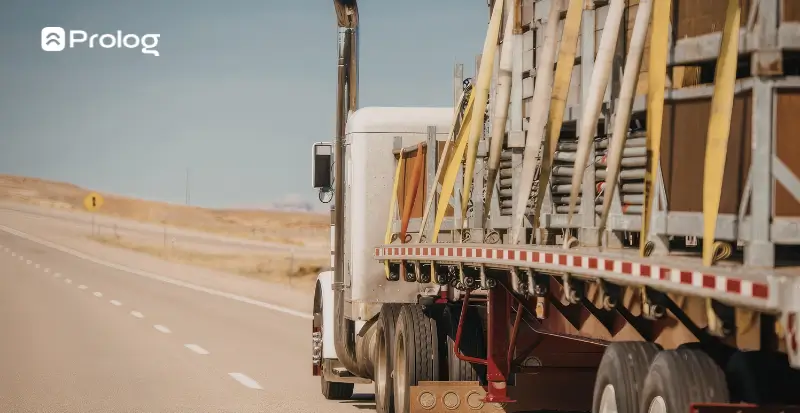
A heavy-duty fleet brings together large vehicles designed to transport oversized or heavy goods, usually exceeding regular transport limits.
These vehicles dominate sectors such as construction, agribusiness and mining — businesses that generally require strength, durability and specialized planning when handling cargo.
What is considered heavy cargo?
Have you ever wondered what actually defines cargo as heavy? Under Resolution no. 1 from Brazil's DNIT (National Department of Transport Infrastructure), these loads exceed the weight or size limits regulated by current standards.
They require special care during transportation, both because of their high weight and because of specific characteristics that can compromise vehicle safety and integrity.
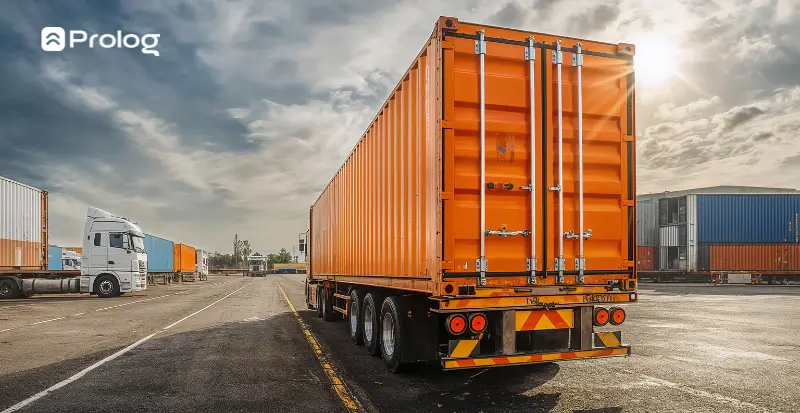
Common examples include industrial machinery, poles, metal structures, containers and other large items.
What are the types of cargo in road transport?
Road transport in Brazil is essential to the economy, moving different types of goods daily. The main cargo types include:
- Refrigerated cargo: perishable food transported in refrigerated trucks.
- Bulk cargo: solid or liquid products, such as grain and fuel.
- Livestock cargo: transportation of animals.
- Heavy cargo: items with high weight or large dimensions, such as industrial machinery.
- Dry cargo: nonperishable goods, such as clothing and building materials.
Each cargo type requires specific vehicles and conditions, reinforcing the importance of efficient fleet management.
Which vehicles are used in heavy freight transport?
Choosing the right vehicle for transporting heavy cargo makes all the difference. After all, an unsuitable truck can damage goods or even compromise safety along the route.
The main truck types (in Portuguese) for this type of transport in Brazil are:
- Bitrem and rodotrem truck combinations: suitable for long goods, supporting up to 74 metric tons.
- Lowboy trailers (known as lagartixa in Brazil): ideal for tall loads, such as machinery.
- Extendable trailers: used to transport very long structures, such as wind turbine blades.
Here is an important tip: besides choosing the correct vehicle, it is essential to plan the route, avoiding sharp bends or complex maneuvers that could compromise transportation.
How does a heavy cargo fleet work?
Heavy freight transport involves items that make driving the vehicle more demanding.
These are usually goods that, besides exceeding the dimensions and/or weight established by the authorities, are also expensive — such as poles, metal structures, other vehicles, containers, industrial and agricultural machinery, etc.
With that in mind, a heavy cargo fleet's operation begins with strategic planning that assesses cargo characteristics, such as weight, dimensions and fragility.
It also involves defining the ideal route and identifying potential critical points along the way, as well as requesting special permits, such as the AET (Autorização Especial de Trânsito), Brazil's special transit permit for loads exceeding weight or size limits.
Next comes vehicle selection. Each type of heavy cargo requires a specific vehicle. Trucks such as bitrem and rodotrem combinations or lowboy trailers are chosen according to the goods, ensuring they support the weight and have the necessary space for safe accommodation.
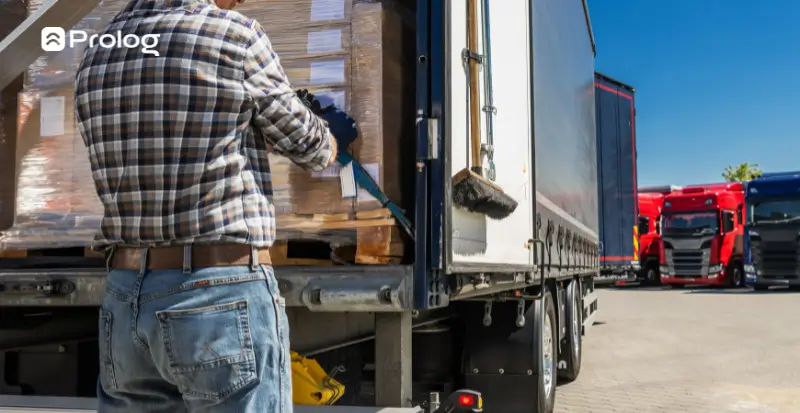
Before a vehicle leaves for transportation, the cargo undergoes structural analysis, securing and tie-down, and the vehicle must also undergo a general inspection, checking tires, brakes, suspension and other mechanical components to prevent failures.
What are the challenges and solutions for heavy freight transport?
According to the latest survey by CNT, Brazil's National Transport Confederation (2024), 43.1% of highways have pavement rated excellent or good, reflecting an improvement in pavement conditions compared with previous years.
However, challenges remain, with 22.2% of highways rated poor or very poor.
These variable conditions reinforce the importance of planning in heavy freight transport, especially when dealing with highways that still have signage limitations.
Other challenges and risks in heavy freight transport include:
- Security threats: because the loads are large, their prices end up being high. Vehicles and cargo become more likely robbery targets.
- Cost and bureaucracy: fuel consumption, mechanical wear and maintenance costs are higher than for regular cargo vehicles. In addition, licenses and permits are required in Brazil to operate in the field.
- Shortage of professionals: transporting heavy cargo requires knowing how to move heavy loads, where to weigh trucks, understanding routes and having experience maneuvering heavy vehicles.
Even with the industry's difficulties, some solutions help simplify and adapt the work. One is choosing quality packaging, reducing and preventing damage during transportation.
Beyond that, using vehicles suited to bearing heavy loads is essential to avoid maintenance costs from structural issues and vehicle breakdowns.
And the main way to save money, transport heavy cargo safely and avoid issues is planning.
Now that you know the main aspects of a heavy cargo fleet, it is time to take your management to another level! Download our Complete Guide to Fleet Control (in Portuguese) and discover how to reduce costs, increase efficiency and ensure the safety of your operations.
Frequently asked questions
What is considered heavy cargo?
Which vehicles are used in heavy freight transport?
What are the types of cargo in road transport?
What is an AET in heavy freight transport?
What are the challenges of heavy freight transport?
// newsletter
Fleet management content, straight to your inbox
Articles on tires, maintenance and fleet operations. No spam.