Does a fuller tire save fuel? The myth explained
 Jade Zart 6 min read
For a fleet manager, finding the tire with the greatest fuel savings is a constant search.
It not only meets the company's quality standards and sustainability guidelines, but also reduces operating costs significantly.
However, with so many details involved, it can be challenging to prioritize and make the right decisions. That is where tire management plays a key role, helping to identify the best makes and models that meet the company's specific needs.
Learn more below:
- How to find the tire with the greatest fuel savings;
- The characteristics of a tire with greater fuel savings;
- The role of tire management in the fleet manager's decisions.
How do you find the tire with the greatest fuel savings?
To find the tire with the greatest fuel savings, it is essential to carry out a careful analysis and consider several factors.
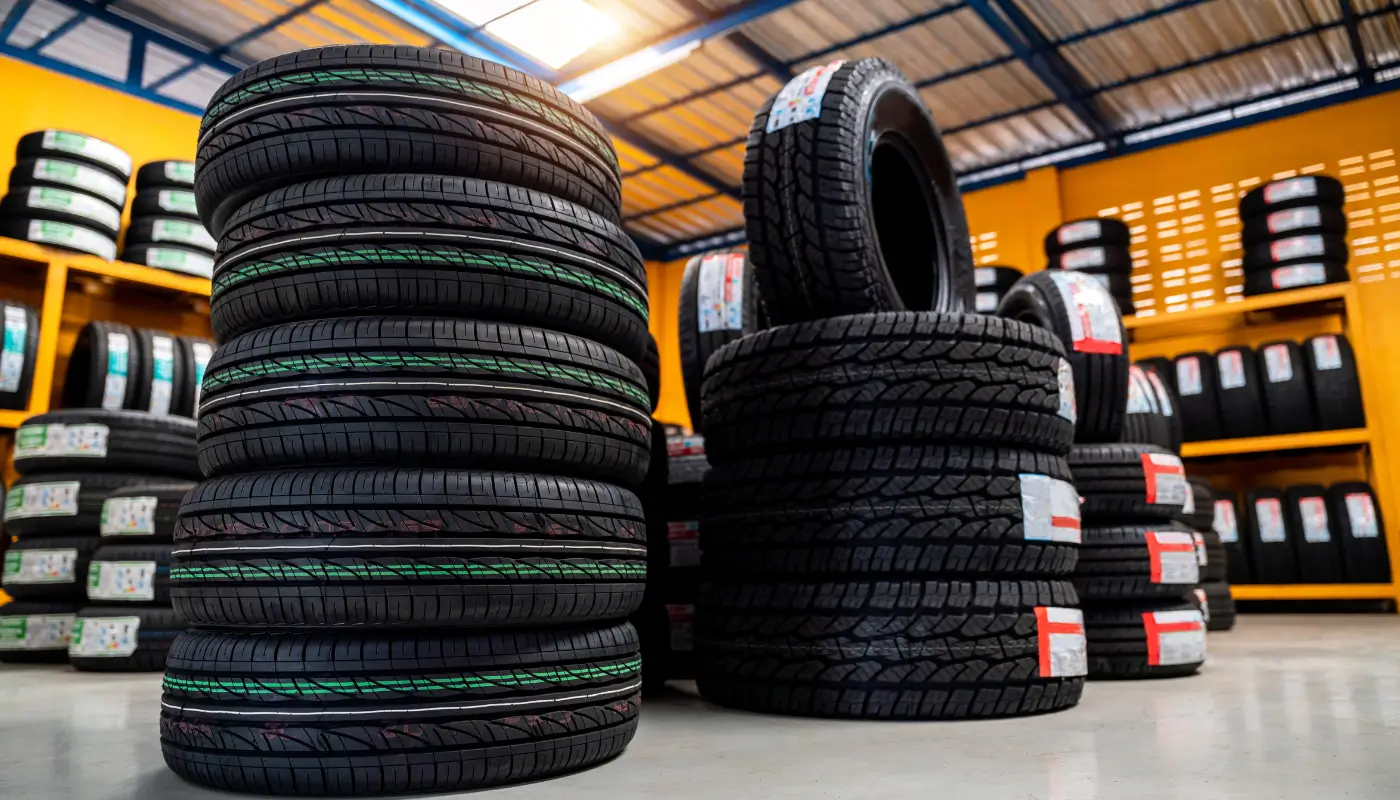
To begin with, it is important to assess the tires' energy efficiency ratings, which in Brazil are generally shown on each tire's label from INMETRO (Brazil's National Institute of Metrology, Quality and Technology). Look for tires with higher ratings (A or B), as they tend to offer better efficiency in fuel consumption.
It is also worth considering the vehicle type and the operating conditions of your fleet, since tires designed for certain functions can offer advantages in terms of fuel savings.
For example, a low-severity tire is usually designed for long routes on paved highways, a scenario in which lower rolling resistance can favor consumption.
On the other hand, a high-severity tire may be necessary on urban roads, where there is more acceleration, braking, cornering and stress on the tread. In this case, the choice should not confuse operational suitability with savings: the application needs to be suited to the service, but energy efficiency remains linked to lower rolling resistance and to the use recommended by the manufacturer.
In addition, it is essential to keep track of and compare the real fuel consumption results with different tires over time. This can be done by keeping constant track of them in the fleet's tire management system.
What are the characteristics of a tire with greater fuel savings?
A tire with greater fuel savings has several characteristics that contribute to reducing this cost in your fleet. Check them out:
Rolling resistance
One of the main characteristics is rolling resistance. Tires with lower rolling resistance require less energy to move, which translates into lower fuel consumption.
However, it is important to consider the type of route on which the tires will be used.
On urban routes, where there is a lot of acceleration and braking due to heavy traffic, the priority may involve sturdiness, traction, durability and suitability for the application. This does not mean that higher rolling resistance is, in itself, more fuel-efficient; it means that the decision needs to balance fuel savings with the real demands of the operation.
That is why making sure the tires are suited to the type of route on which they will be used is essential to optimize fuel savings. When the goal is to reduce consumption, the technical guidance is to look for low rolling resistance tires compatible with the application and to confirm with the manufacturer whether the chosen model is suitable for the intended use.
Air pressure (tire calibration)
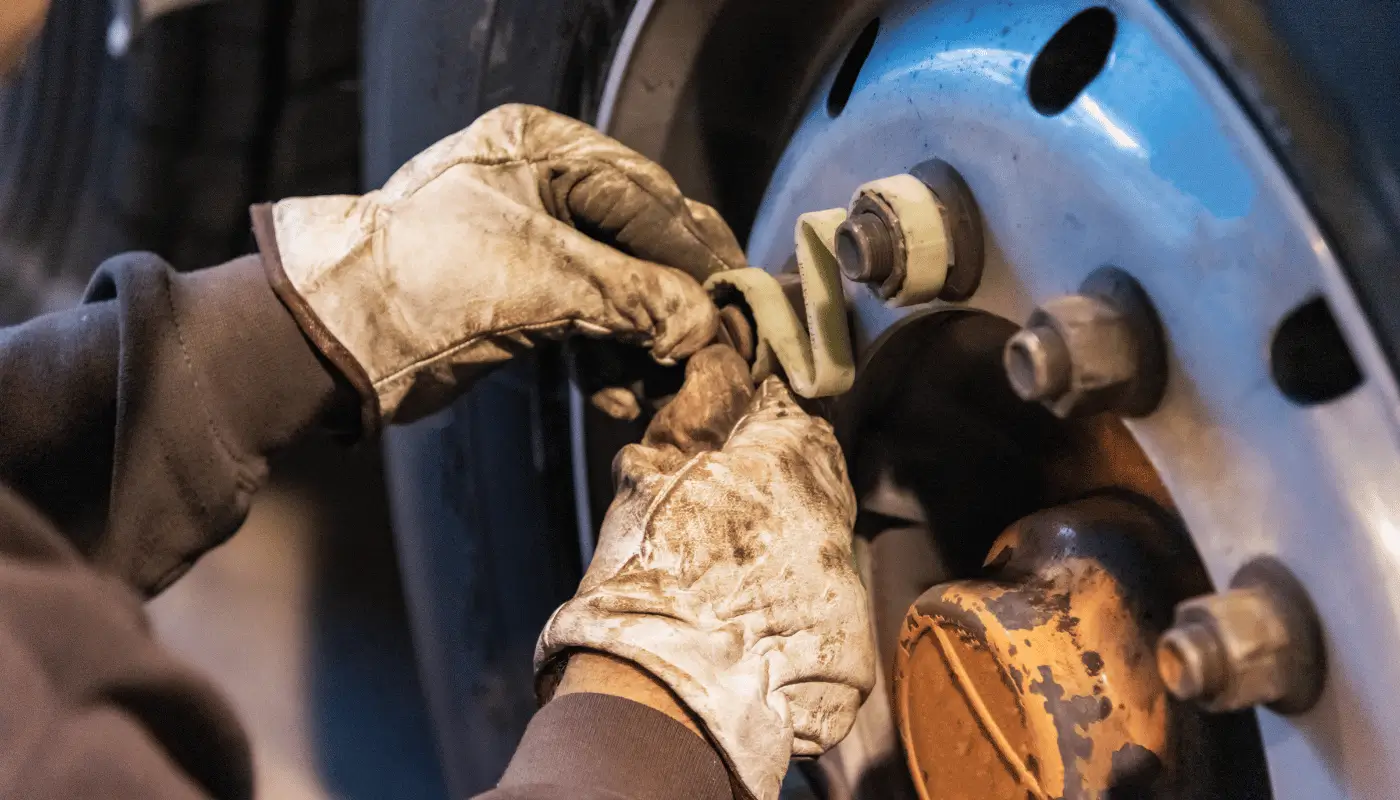
Air pressure, or tire calibration, is essential to keep tires properly inflated, according to the manufacturer's specifications. This helps reduce irregular wear and rolling resistance, and optimize fuel efficiency.
But you need to be careful, because a tire management myth is that a fuller tire saves fuel. It is not about a fuller tire, but about a tire at the ideal pressure — that is what generates more savings.
It is also important to remember that pressure is not a permanent characteristic of the tire, but something that needs to be adjusted weekly, at the very least. That is why it is an important aspect to keep track of.
That way, you understand the ideal pressure for each tire and determine the right frequency for calibration.
Type of tread
The types of tread are defined by the groove patterns, and can be unidirectional, bidirectional, symmetrical, asymmetrical or off-road, each with its own specific characteristics:
- Unidirectional: the grooves all point in the same direction.
- Bidirectional: the groove patterns point in two different directions.
- Symmetrical: the patterns are identical on both sides of the tire.
- Asymmetrical: its grooves have alternating patterns on all sides.
- Off-road: they have deeper tread grooves.
Generally, the unidirectional tire is considered “lighter” and is ideal for long-distance trips and routes with many curves.
On the other hand, the off-road tire is “heavier” and is designed to handle muddy terrain, mud and debris.
The choice of tread type should consider the vehicle's intended use and the environment in which it will run, and it can have a direct impact on fuel savings.
Tire size
Finally, the tire size must be compatible with the vehicle. The right tire dimensions are essential to avoid premature wear and early punctures.
Using a tire of the wrong size not only hurts the vehicle's performance, but also affects the safety of the fleet's operations.
In addition, tire size has a significant impact on fuel consumption, since the wrong choice can result in inefficient fuel burn.
Therefore, selecting the correct tire size is crucial to optimize these savings in fleet management.
The role of tire management in the fleet manager's decisions
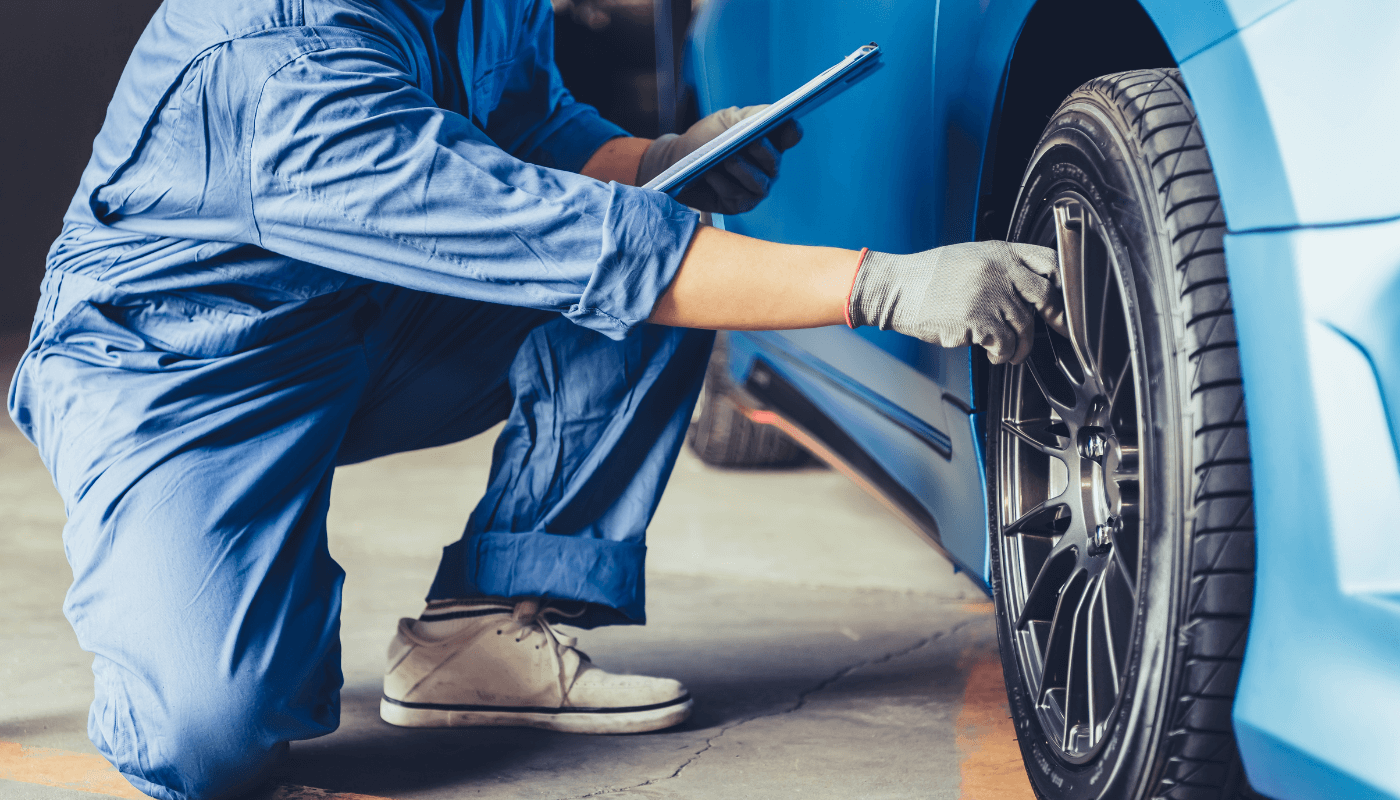
Tire management covers tasks aimed at collecting data so that the manager can carry out accurate analyses and understand which tire is best suited to their operations and, also, which tire offers the greatest fuel savings.
The manager must decide questions such as: which tires to buy, which should be retreaded, the frequency of inspections, the right time to rotate, when to replace and dispose of a tire, and so on.
All of this can be understood and defined through the collection and analysis of tire data. Above all, by keeping track of pressure and tread depth, which indicate when a tire is still fit for use and when it is time to send it to maintenance.
In addition, these data make it possible to calculate the tire's CPK and understand which makes and models have the best performance and cost-benefit for each of your operations and vehicles.
This way, you reduce tire management costs in the fleet, both through more accurate purchasing and through proper maintenance.
Choosing the right tires, based on criteria such as fuel savings, durability and performance, can directly impact the company's financial results.
So it is clear that tire management plays a strategic role in the fleet manager's decision-making, right?
Start a more efficient tire management routine in your fleet right now. Download our free resource on the subject now: Tire Management Guide to Optimize Your Savings and Productivity (in Portuguese).
Frequently asked questions
Does a fuller tire save fuel?
Is a tire with lower rolling resistance always more economical?
Where can I see a tire's energy efficiency before buying?
Does tire size affect consumption?
What role does tire management play in this choice?
// newsletter
Fleet management content, straight to your inbox
Articles on tires, maintenance and fleet operations. No spam.