How tire sizes work: understand the full code
 Jade Zart 6 min read
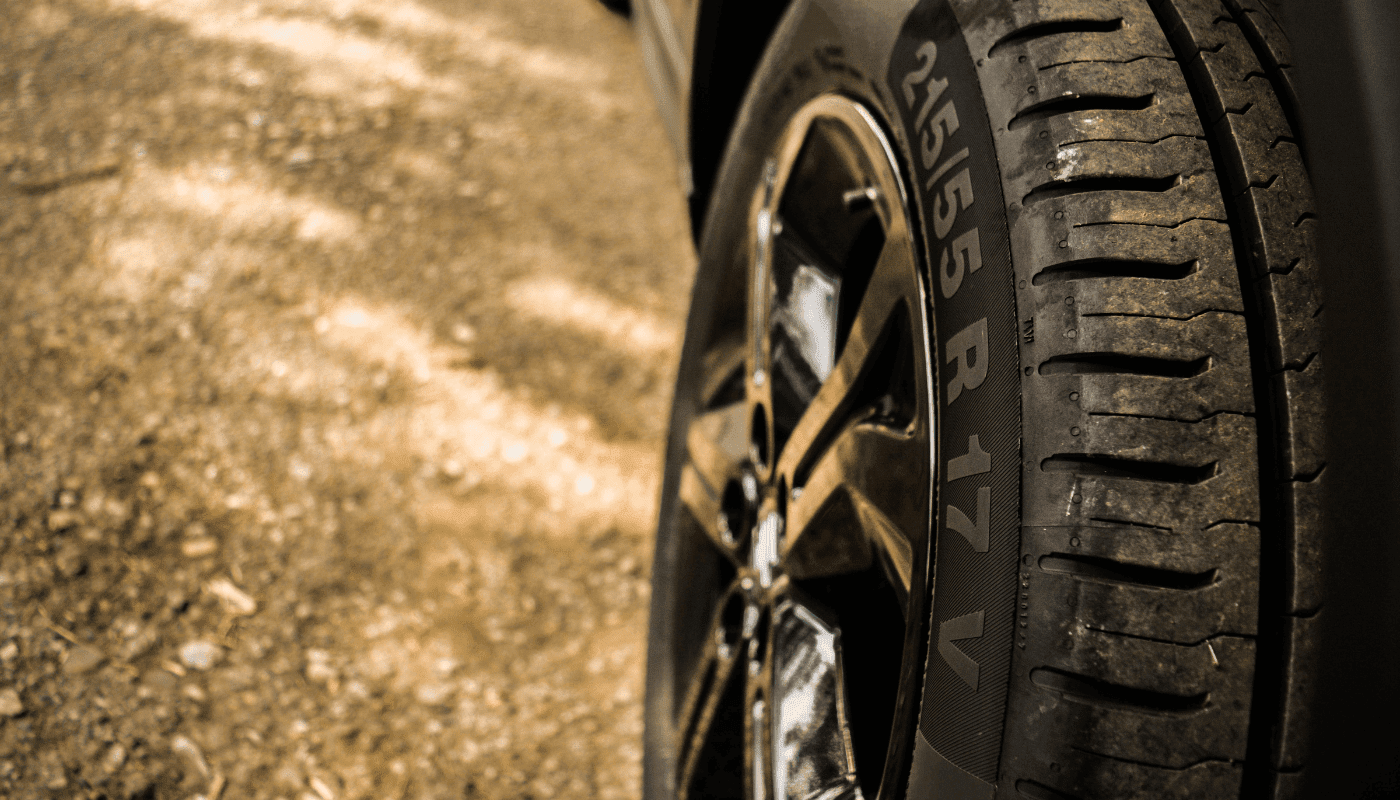
Knowing how tire sizes work helps identify the right models for the vehicles in your operation — and avoids choices that can compromise safety, fuel consumption and the useful life of the assets.
Each vehicle type and vehicle model has a specific tire size that must be installed so that routes can be completed without problems and the assets have their useful life extended. This size is not just a visual measurement: it describes physical dimensions and performance limits, such as load capacity and speed.
Learn more about:
How do tire sizes work?
Tire sizes work as a way to identify the most suitable tire models for each vehicle and each operation. Light trucks have different sizes from heavy trucks, for example, and any replacement must respect the specification indicated for that vehicle.
And if a tire smaller or larger than it should be is installed, the chances are very high of accidents and structural damage that result in the loss of a vehicle. In addition to size, the load index and speed rating also need to be considered, because the size code tells you whether the tire can bear the weight and operate within the speed expected for the vehicle.
Each vehicle has specific measurements for the tire that must be installed, and these measurements include the tire's height, width and radius. This information basically determines the size and dimensions of the asset. When replacing a tire, the new tire should not be smaller or have a lower load capacity than the original specification.
It is fundamental that the measurements are correct so the vehicle can be driven safely, ensuring its stability and balance.
Where to find tire sizes?
These measurements can be found in the owner's manual. You can also look at the sidewall of the tire that is already installed and identify its model and size to buy the same tire standard.
The measurements are molded into the rubber in a standardized code. A common example is:
185 / 75 R14 82T
Each of these items represents a piece of information:
- 185 = the tire width, in millimeters.
- 75 = this is the percentage of the height in relation to the tire width, that is, the height of this tire is 138.75 mm (75% x 185).
- R = indicates that the tire is of the “radial” type.
- 14 = the rim diameter in inches.
- 82 = maximum load index supported by the tire.
- T = maximum speed supported by the tire.
In practice, reading the code becomes simpler when you split it into dimensions and usage limits:
| Part of the code | What it indicates | Why check it |
|---|---|---|
| 185 | Tire width in millimeters | Helps ensure compatibility with the vehicle and the available space. |
| 75 | Sidewall height in relation to width | Influences the tire profile and the overall size of the assembly. |
| R | Radial construction type | Identifies the tire construction indicated in the code. |
| 14 | Rim diameter in inches | Avoids buying a tire that is incompatible with the vehicle's wheel. |
| 82 | Maximum load index | Shows the tire's load capacity. |
| T | Maximum speed rating | Shows the speed limit expected for that tire. |
For cargo vehicles, the reading logic is the same: check the code molded on the sidewall and compare it with the manual, the fleet specification and the load index required for the operation. Do not simply copy a size seen on a similar vehicle without validating whether it meets the weight, rim and actual use of that truck.
Why is it important to know how tire sizes work?
You should always know your tire sizes in order to buy and install the correct models on each vehicle in the fleet. When buying or replacing tires, size, load index and speed rating need to be assessed together, not as separate pieces of information.
In addition to promoting greater safety in transport, using the correct tires ensures savings in fuel consumption, fewer maintenance problems and lower maintenance costs, as well as fewer premature casing losses.
By using the correct tire size, it is possible to ensure greater performance on the routes driven. This holds true as long as tire management happens in parallel, keeping the correct calibration pressure and checking wear periodically so as not to drive on bald tires. The remaining tread depth also needs to be observed: in Brazil, tires below 1.6 mm do not meet the minimum limit set by regulations, and this condition can be seen visually through the wear indicators.
After all, keeping tires in the most suitable running condition is just as important as selecting the right tire size.
What else should you know about tires?
Knowing how tire sizes work is not the only important thing; you should also know how to interpret the maximum permitted speed, the maximum load weight supported and the tire's treadwear rating.
Maximum speed
The speed used in transport is what heats up the tire rubber. The faster the vehicle goes, the hotter the asset will get. That is why it is very important to respect this tire indicator and not exceed the limits set for each model.
If it is exceeded and this happens very often, the rubber will probably suffer irreparable damage and you will lose a tire before its time. That is why, when buying new tires, the speed rating must be compatible with the vehicle's original specification.
Maximum load
Although the vehicle itself has a maximum load limit, the tires have one too. It is important that both values be observed and assessed before you start loading a truck.
This way, you prevent the tire from receiving a heavier load than it can handle and also avoid the consequences of doing so, such as greater tire wear and higher fuel consumption. If the replacement reduces load capacity compared with the original specification, the assembly no longer meets the intended use.
Treadwear rating
This is the tire's wear rating, a piece of information that indicates the tire's wear potential over time. This number is usually also found on the tire sidewall, with the word “treadwear” followed by its assigned number.
It is a very important figure for understanding the average useful life this tire will have. Even so, it should be analyzed together with the size, load index, speed rating and the fleet's actual operating conditions.
By using all this information combined, including the tire's measurements, you can better understand how a tire in your fleet works and performs.
And also remember how important it is to have this information registered in a safe place, with easy access to look up and confirm in your records the size of each model and which vehicle uses each size.
Start controlling your fleet's tires with a free spreadsheet. Download our ready-made template here (in Portuguese).
Frequently asked questions
What does each part of the size 185/75 R14 82T mean?
Where can I find the correct tire size for my vehicle?
What happens if I install a tire of the wrong size?
Why respect the tire's speed rating?
Is the vehicle's load limit the same as the tire's?
What is the treadwear rating?
// newsletter
Fleet management content, straight to your inbox
Articles on tires, maintenance and fleet operations. No spam.