Tire tread depth: the minimum and how to measure it
 Luiz Felipe 3 min read
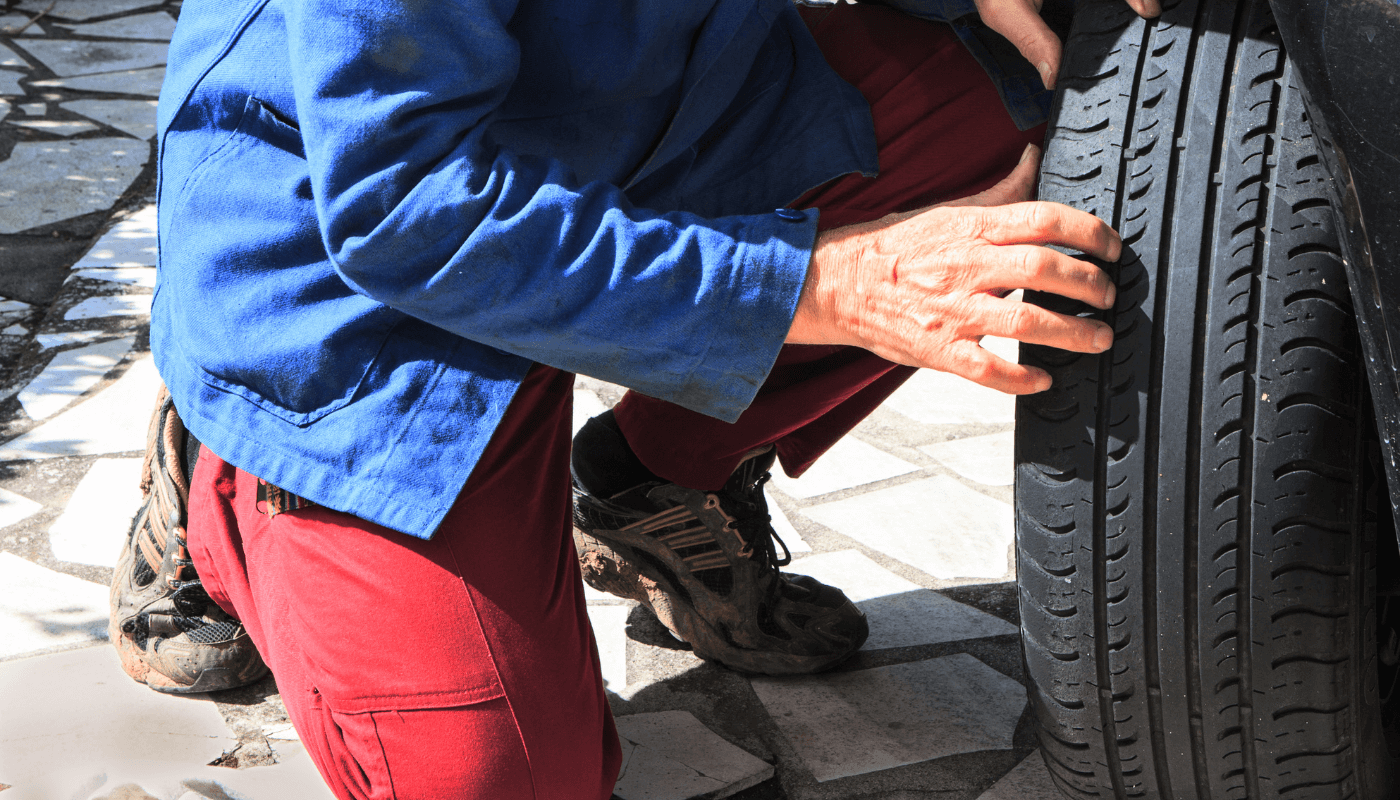
You have surely heard of the 1 real coin trick, popular in Brazil, for measuring tire tread depth, but it is time to understand that this method is neither official nor reliable.
To begin with, the coin does not generate data for your fleet. Then, it does not guarantee precision the way a measuring device does. After all, you are doing everything “by eye”, and tread depth is too important to be neglected this way.
Therefore, although it may be an emergency resource when you really have no other way to check this information, the coin method should be avoided.
What is tire tread depth?
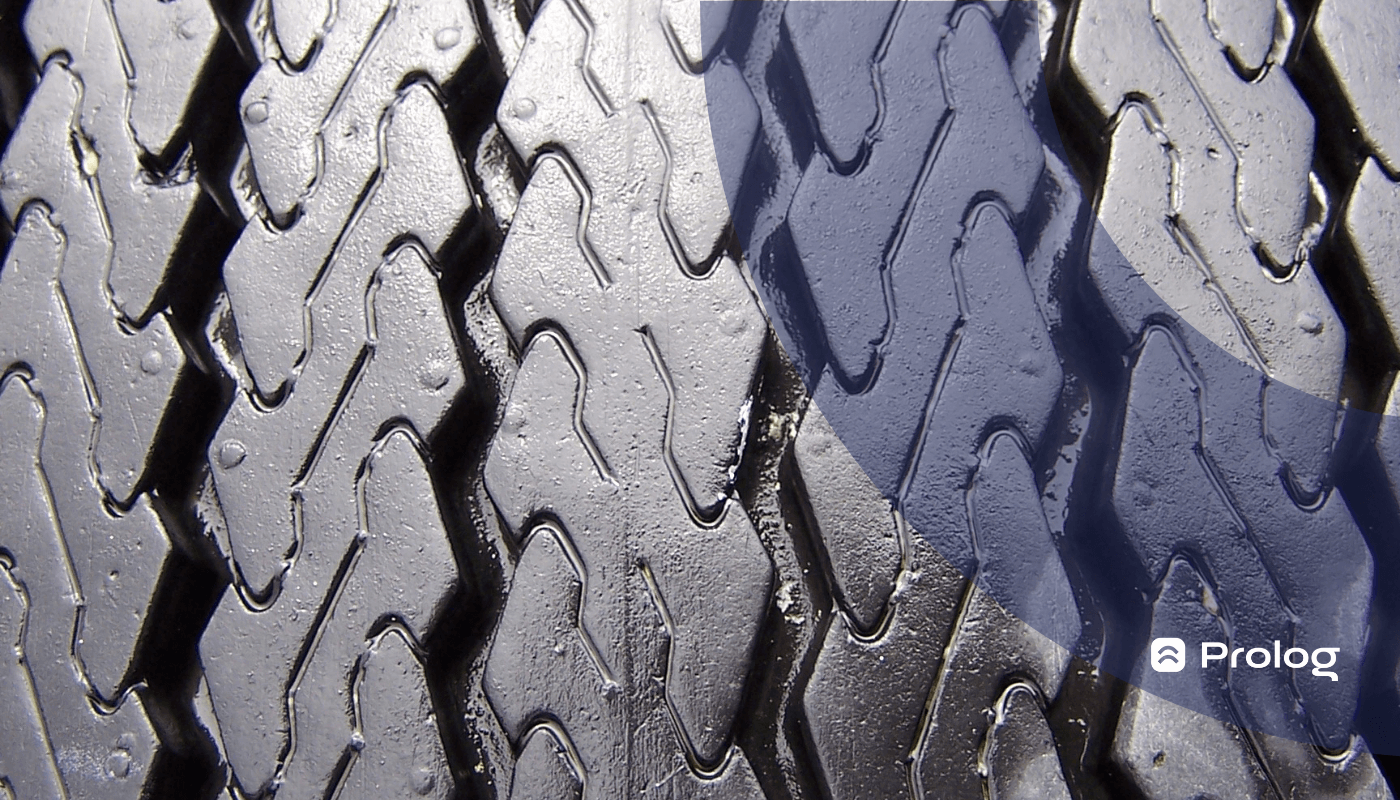
First, grooves are the tire's channels, the cavities that form its pattern. Their function is to drain water, reduce noise, help cool the tires and ensure grip on the road, whether dry or wet.
Their depth indicates a tire's wear.
While the recommended minimum is 1.6 mm (in fact, Brazilian law establishes that driving below this limit is prohibited), the recommendation is to replace the tread when the depth is between 3mm and 4 mm.
However, it is worth noting that this measurement varies according to the fleet, the vehicle and even the tire make.
How does the tread wear indicator (TWI) work?
The TWI (Tread Wear Indicator), or tire wear indicator, exists on practically all tires nowadays. It is, as the name says, an indicator for knowing whether or not the tire is still fit to run.
It sits “at the bottom” of the tire's grooves. This way, when the tire reaches its wear limit, it becomes visible, indicating that it is time to replace that tire. Although it is not visible before that time, it is an indicator of tread depth.
Want to improve tire management in your fleet? Talk to a Prolog specialist
What is the 1 real coin trick?
You know the Brazilian 1 real coin, with that yellowish ring around it? Well, that ring covers the 1.6 mm indicated as the minimum measurement for the tire to run safely. So the trick consists of fitting the coin into the tire's groove pattern and observing whether the rubber is above or below that ring.
The problem with this is that, usually, when this trick works, you have already lost the tire and no longer even have the possibility of a retreading process.
Use this method instead
Both the TWI and the coin can basically show you when it is time to replace the tire. However, neither of them helps control wear or find solutions to increase the durability of the fleet's tires.
What is more, you do not get precision in measuring tread depth with these two methods — nor do you collect valuable data for making smarter decisions.
By contrast, the electronic tread probe has 99% precision in its measurements, collects all the data measured during the tire inspection and also stores everything in a database that generates reports and automates analyses for you.
This way, you get rigorous control over the tires, always staying ahead of irregular and/or excessive wear and of what kind of solution to apply to correct the problems.
Interested? Discover the Prolog Tire Management kit with a digital tread probe + a complete tire control system.
Frequently asked questions
What is the minimum tire tread depth?
Why is the 1 real coin trick no good for the fleet?
What are tire grooves for?
Does the TWI indicator solve the problem?
What do I gain by measuring with an electronic tread probe?
// newsletter
Fleet management content, straight to your inbox
Articles on tires, maintenance and fleet operations. No spam.