Road freight fleet: from VUC to bitrem in Brazil
 Jean Zart 4 min read
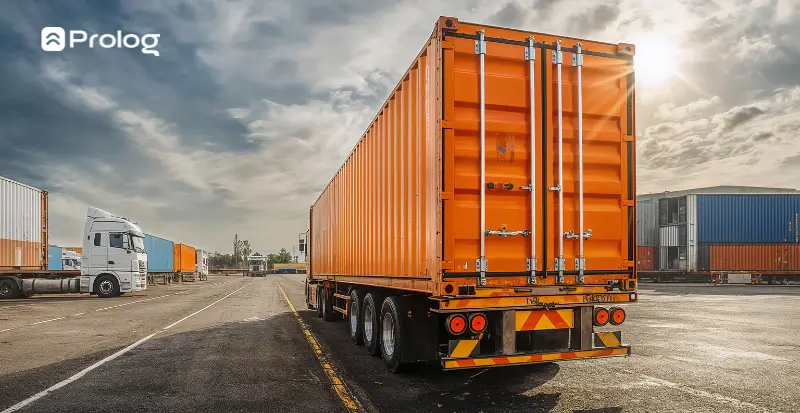
Road freight transport moves a large share of goods in Brazil and is essential to various production chains. The fleet used in this type of operation consists of different vehicle types, each better suited to specific cargo, route and trip requirements.
And managing this fleet requires planning, cost control and technology to achieve the best results. Efficiency in road transport and fleet management depends on adopting good practices, constant oversight of the operation and attention to rules applying to paid freight transport on public roads in Brazil.
Want to know more? Read on:
- What kind of transport does a road freight fleet provide?
- How can you manage a road freight fleet well?
What kind of transport does a road freight fleet provide?
A road freight fleet consists of different vehicle categories, varying according to the volume carried, cargo type, distance traveled and traffic rules applicable to the operation.
Why is knowing the different possibilities important? Because choosing the right truck directly influences operating costs, fuel consumption and fleet productivity. It also helps avoid inappropriate classifications when a freight vehicle or combination exceeds weight and dimension limits set by Contran, Brazil’s National Traffic Council, in which case special transit authorization issued by DNIT, Brazil’s National Transport Infrastructure Department, may be required.
To start with, you can use light vehicles, primarily for urban deliveries and smaller loads. These include:
- Panel vans and vans: common in goods distribution in cities.
- VUCs (Veículos Urbanos de Carga, Brazil’s urban freight vehicles): designed for areas with traffic restrictions.
There are also medium and toco trucks, intended for regional distribution and medium-sized operations:
- Toco trucks (a Brazilian rigid-truck category): a common option on regional routes and for deliveries requiring more capacity than urban vehicles without reaching heavy combinations.
- ¾ trucks: used in retail and less-than-truckload transport (in Portuguese).
Beyond these, there are heavier vehicles, large trucks and semi-trailers, used more for long-distance transport and moving large volumes. These can include:
- Truck (or caminhão trucado, a Brazilian rigid-truck category): a larger alternative to the toco, used when operations require more capacity and stability for larger loads.
- Two- and three-axle semi-trailers: increase load capacity and are common in interstate operations.
- Bitrem and rodotrem multi-trailer combinations: freight vehicle combinations cited by DNIT among examples related to weight and dimension limits in Contran Resolution No. 882.
How can you manage a road freight fleet well?
Truck fleet management involves stages ranging from annual strategic planning, forecasting spending and seasonal requirements, to results analysis across areas such as maintenance and fuel, in a constant search for best practices.
Some points are fundamental in road freight fleet management:
Operating cost control
Road freight fleet operating costs involve various factors, such as fuel, maintenance, tires, tolls, insurance and taxes.
Maintaining precise control of operating costs allows fleet managers to identify savings opportunities and optimize available resources. In Brazil, this control also needs to consider whether the operation depends on prior registration with the National Road Freight Carrier Register (RNTRC) and whether the vehicle used respects applicable weight and dimension limits.
Preventive and corrective maintenance
Keeping the fleet in good condition reduces the risk of mechanical failures and unexpected emergency repair costs. A well-structured preventive maintenance plan helps prevent small problems from becoming major losses.
In addition, electronic checklists make it easier to keep track of vehicle condition before trips, ensuring vehicles are compliant for operation.
Detailed maintenance history records are also essential, allowing managers to identify wear patterns and plan parts replacements in advance.
Tire management
Proper tire control directly affects operational safety, fuel consumption and maintenance costs. You should therefore ensure tires are always correctly inflated and within recommended wear standards.
Continuous oversight of tire condition makes it possible to predict replacements at the right time, avoiding both excessive wear and premature replacements that could generate unnecessary spending.
Fleet monitoring and tracking
With real-time vehicle tracking, it is possible to optimize routes, reduce deviations and identify driving patterns that may compromise transport efficiency.
Monitoring also helps reduce incidents such as theft and unauthorized stops, while enabling strategic operational adjustments to improve driver performance and fleet productivity.
Compliance with industry regulations
In Brazil, attention to legal requirements related to documentation, weight limits and regulations on drivers’ working hours (in Portuguese) is an essential part of efficient management.
Beyond keeping the operation legal, compliance with the rules also reinforces fleet safety and contributes to more organized, reliable transport. In Brazilian road freight transport carried out by third parties for payment, legislation treats the activity as transport on public roads within the national territory, and the operation may require prior RNTRC registration.
Want more fleet management content? Subscribe to Prolog’s free newsletter (in Portuguese) and keep your operation one step ahead!
Frequently asked questions
Which vehicles make up a road freight fleet?
How much cargo can toco, truck and rodotrem vehicles carry?
Why does truck selection influence operating costs?
Which costs go into road transport fleet management?
How should this fleet’s maintenance and tires be handled?
Which industry rules must fleet management comply with?
// newsletter
Fleet management content, straight to your inbox
Articles on tires, maintenance and fleet operations. No spam.