Tachograph stopped working: causes and what to do
 Jean Zart 4 min read
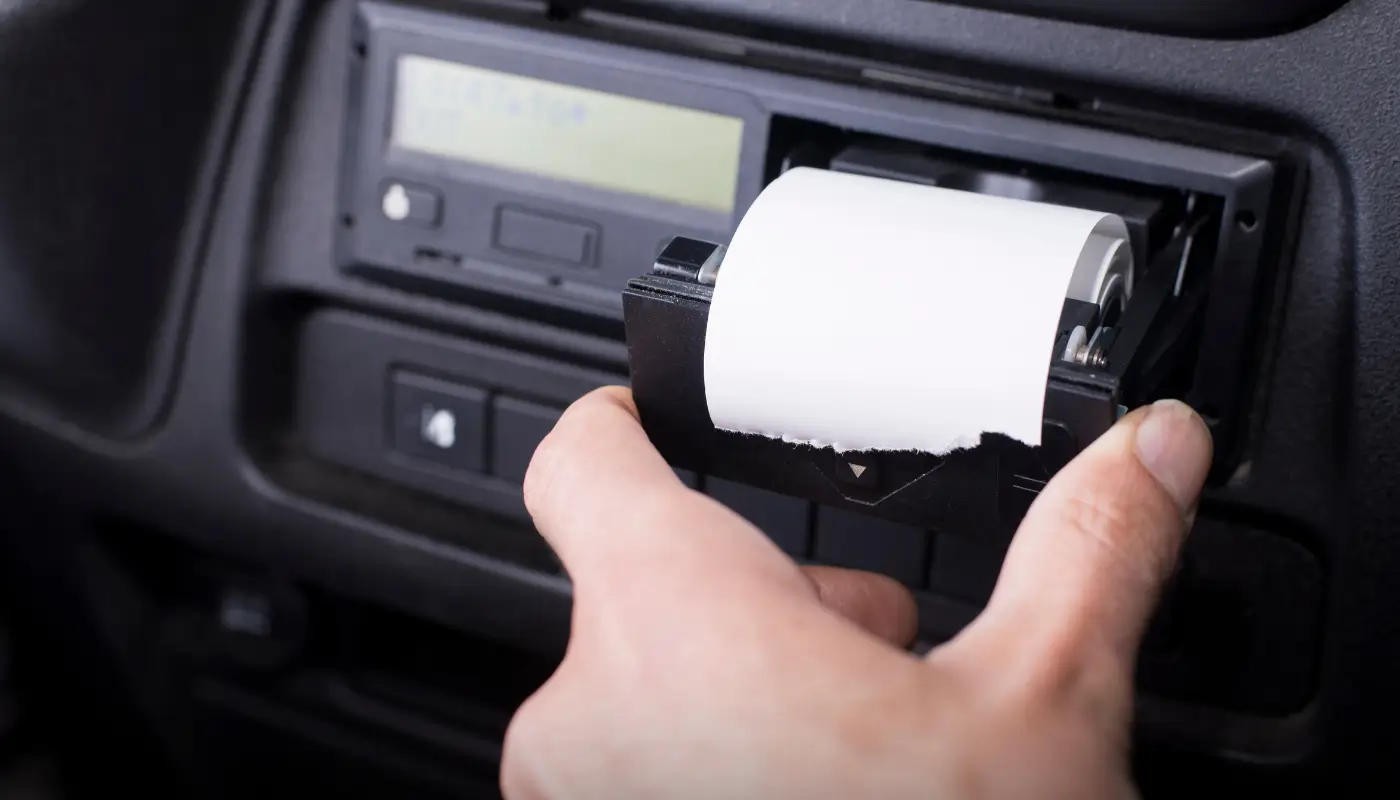
Have you ever been in a situation where the tachograph stopped working and you didn't know what to do? Now you have a step-by-step guide!
The tachograph is an essential device for trucks, designed to record data such as speed, distance traveled, and drivers' driving and rest time.
It not only helps ensure safety in transportation but is also a legal requirement in many countries. This equipment is a part of fleet management, enabling performance monitoring and compliance with transportation rules.
When it stops working or shows faults, legal, operational and safety risks arise. That's why, below, you will learn:
- What to do when the tachograph stopped working?
- Why did the tachograph stop working?
- How can you tell if a truck's tachograph is faulty?
- How to resolve a tachograph that keeps shutting off?
What to do when the tachograph stopped working?
If the tachograph has frozen or stopped working, follow this step-by-step guide to identify and fix the issue:
1. Check the electrical system
Inspect the fuses and electrical connections. Loose or damaged cables may be the cause of the issue. If you find a blown fuse, replace it with one of the same specification.
2. Check the tachograph manual
Each model has its own particularities. The manual may offer useful guidance, such as how to reset settings or fix basic faults.
3. Test the speed sensor
The speed sensor is an essential component for the tachograph to work. Issues with this sensor can interrupt data recording. Consult a specialized technician to test it and make sure it is operating correctly.
4. Calibrate the device
If the tachograph was recently replaced or repaired, it may need to be recalibrated at an accredited workshop. Poorly calibrated equipment can cause frequent faults.
5. Replace damaged parts
Worn components, such as discs (in analog tachographs) or memory cards (in digital ones), should be replaced immediately to prevent data loss.
6. Seek specialized technical support
If none of the steps above resolves the issue, take the truck to a workshop that specializes in tachographs for a more detailed diagnosis.
Why did the tachograph stop working?
The tachograph can fail for a number of reasons. Here are the main ones:
- Electrical issues: blown fuses, poorly connected cables or overloaded circuits are common causes of tachograph faults.
- Speed sensor failures: this sensor sends information to the tachograph. Any issue with it can cause the device to freeze or shut off.
- Equipment wear: constant use can lead to natural wear of components, especially in older models.
- Incorrect calibration: a poorly calibrated tachograph can show recurring faults. In addition, a lack of calibration is subject to legal penalties.
- Software failure: in digital models, system errors or incompatibility with updates can compromise how the device works.
How can you tell if a truck's tachograph is faulty?
Before a complete failure, the tachograph may show signs that something is wrong.
Watch for symptoms such as inconsistent records of speed, driving time or distance traveled. Intermittent shutoffs are also a symptom, when the device turns off on its own or freezes while the vehicle is moving.
Error messages may appear on digital tachographs, pointing to specific system issues. In analog models, on the other hand, strange noises or discs that do not rotate properly are signs of a fault.
How to resolve a tachograph that keeps shutting off?
Prevention is the best way to make sure the tachograph works reliably and efficiently. This includes, for example, periodically inspecting the tachograph and its components, such as cables, fuses and sensors.
After repairs or replacements, make sure the equipment is calibrated according to current regulations.
In digital tachographs, keep the system updated to avoid failures caused by incompatibility.
Another preventive tip: don't wait for discs, memory cards or sensors to reach the end of their useful life. Replace them regularly.
Carrying out preventive maintenance with qualified professionals prevents more complex issues and extends the useful life of the equipment.
Want to further improve the durability and efficiency of your fleet's vehicles? Download our Fleet Maintenance Management Guide now (in Portuguese) and discover how to plan and carry out maintenance intelligently, reducing costs and preventing future issues.
With the right practices, you will always be prepared for the challenges of road transportation.
Frequently asked questions
How do you reset a digital tachograph?
Why did the tachograph stop working?
How can you tell if a truck's tachograph has an issue?
Why is the tachograph required and what does it record?
How do you prevent the tachograph from failing again?
// newsletter
Fleet management content, straight to your inbox
Articles on tires, maintenance and fleet operations. No spam.