Tire control tools: the 8 used in fleets
 Jade Zart 3 min read
Tire management tools are indispensable when it comes to fleet management. The reason is simple: they make logistics control easier through data collection and analysis.
This way, if one of the vehicle's tires shows an irregularity, the tire manager can have the information in advance to correct the issue before it grows and causes irreparable damage to the fleet.
What are the main tools used to control fleet tires, and how do they work? That is what we will cover. See below:
- Electronic tread probe;
- Manual caliper;
- Tire management software;
- Tire management spreadsheet;
- Tire inflator;
- Tire tread depth gauge;
- Tire pressure monitoring system;
- Tire relocation sheet.
Electronic tread probe
The electronic tread probe is used to measure a tire's calibration, since the tire can show wear on the casing due to incorrect pressure.
Unlike the manual model, the incidence of reading errors is lower. As a result, operating costs go down, since there is no need to redo the work.
Manual caliper
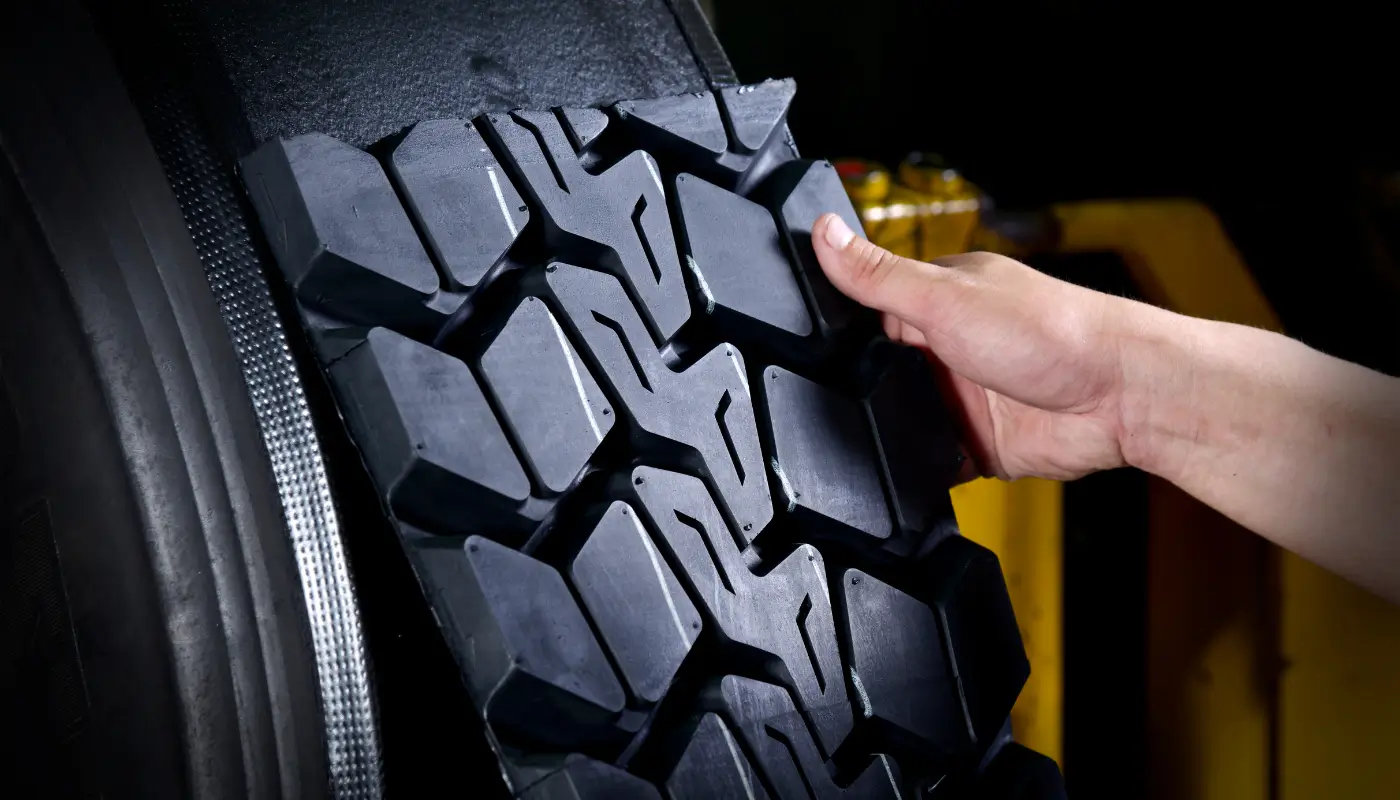
The manual caliper is an instrument used in tire control to measure tread depth, in order to prevent it from reaching 1.6 mm. It works like a ruler, which is inserted into each groove to take this measurement, with the reading done by the user.
A sheet or checklist should also be used to write down the measurements, so the information can be shared with the fleet manager.
Tire management software
Tire management software is a tool that generates relevant KPIs and helps identify operational issues. In a system like this, the screens include views of measured tires, tires with open work orders and tires undergoing preventive or reconditioning services.
Among tire management tools, a management system is certainly the most complete one you need to have. However, it is essential to have other tools that can feed in the data so that the system delivers the expected results.
Other features include digital tire relocation, registering where tires are installed and in which vehicle position, as well as automatic report generation.
Tire management spreadsheet
The tire management spreadsheet gathers basic information for more effective fleet control, and the best part: it can be adapted to the company's specific needs.
It shows data such as: number of vehicles in operation, tire make, model and size, service control, among others.
Just like the technology system, the spreadsheet also needs the information to be fed into it to deliver what the manager is looking for: data for analysis and for informed, accurate decision-making.
Tire inflator
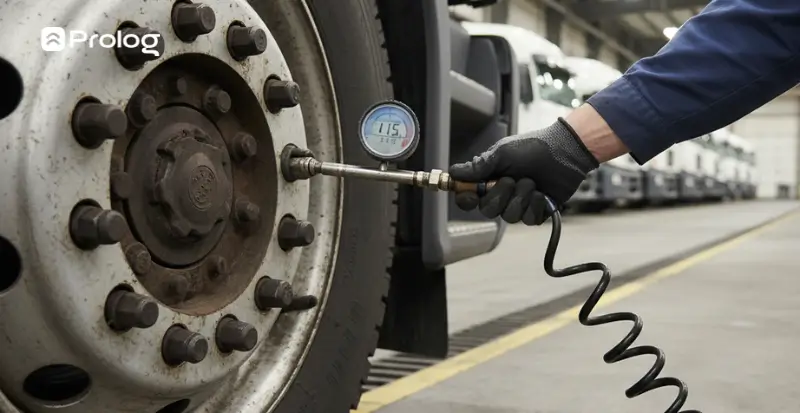
The tire inflator is used to ensure that fleet assets run safely on the roads and maintain quality in the flow of deliveries.
Incorrect calibration, whether too high or too low, harms the tire structure and increases fuel consumption, generating more expenses at the end of the month.
Tire tread depth gauge
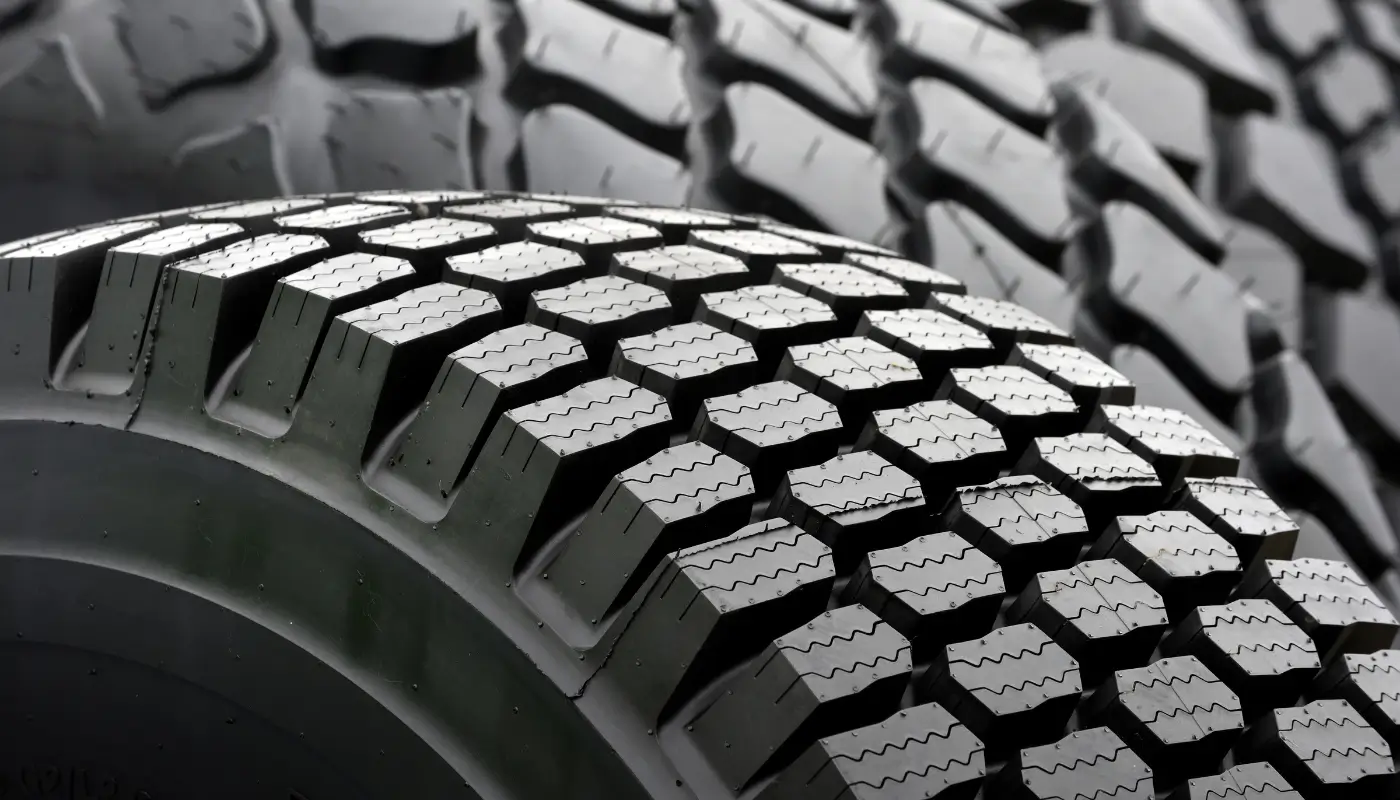
The tire tread depth gauge is a device that measures the depth of each groove and indicates when tires should be removed from vehicles and sent to the retreading process.
In general, if the TWI falls below the appropriate value of 1.6 mm, it means the tire is bald and should be discarded and replaced with a new one.
Tire pressure monitoring system
The tire pressure monitoring system, as the name suggests, is a type of digital controller that constantly checks the calibration of the company's vehicles.
It sends data to the driver's dashboard about the condition of the tires and, if there is any irregularity, it is possible to correct the issue before it interferes with operations.
Tire relocation sheet
The tire relocation sheet records all the activities related to the tire: installation, removal, rotations and repairs.
It is a very effective way to control this data, since it is available in real time and offers a broader view of the quality of the assets.
You can use a paper sheet, recording the data manually. You can also use a digital system, which is easier and faster to update when needed.
Want to know how to carry out efficient tire management, that is, without having to interrupt operations? Download our Tire Management Guide (in Portuguese)!
Frequently asked questions
Which tools are part of tire control in a fleet?
What is the difference between the electronic tread probe and the manual caliper?
Spreadsheet or software: do I need both?
When does a tire need to come off the vehicle?
What is a tire relocation sheet for?
// newsletter
Fleet management content, straight to your inbox
Articles on tires, maintenance and fleet operations. No spam.