Truck electrical system: 7 inspection steps
 Jean Zart 4 min read
Carrying out regular inspections of the truck's electrical system is essential, because it is responsible for the operation of crucial components, such as the starter motor, alternator, lighting and safety systems.
Keeping the electrical system in perfect condition prevents unexpected stops, improves the truck's performance and extends the useful life of important parts, such as the battery and the starter motor.
Any failure can directly impact the fleet's operation, causing delays, higher costs and even compromising the driver's safety.
Below are the 7 essential steps for a complete inspection:
- How do you inspect a truck's electrical system?
- Which tests should be done on the vehicle's electrical system?
How do you check a truck's electrical system?
A truck's electrical system is essential to ensure the proper operation of components such as the battery, alternator, starter motor and lighting. A regular inspection can prevent unexpected failures and reduce the cost of corrective maintenance.
And for that, you can take advantage of an electronic checklist tool. With it, drivers and the maintenance team can standardize inspections, record data in real time and reduce the time spent on the check.
In addition, maintenance management is essential for checklists to be applied successfully and for Work Orders to be handled correctly.
By following a well-defined schedule, you can make sure that all of the truck's electrical components are checked at the right time, avoiding failures that could compromise the operation.
Now, see what should be evaluated to keep the electrical system always in perfect working order:
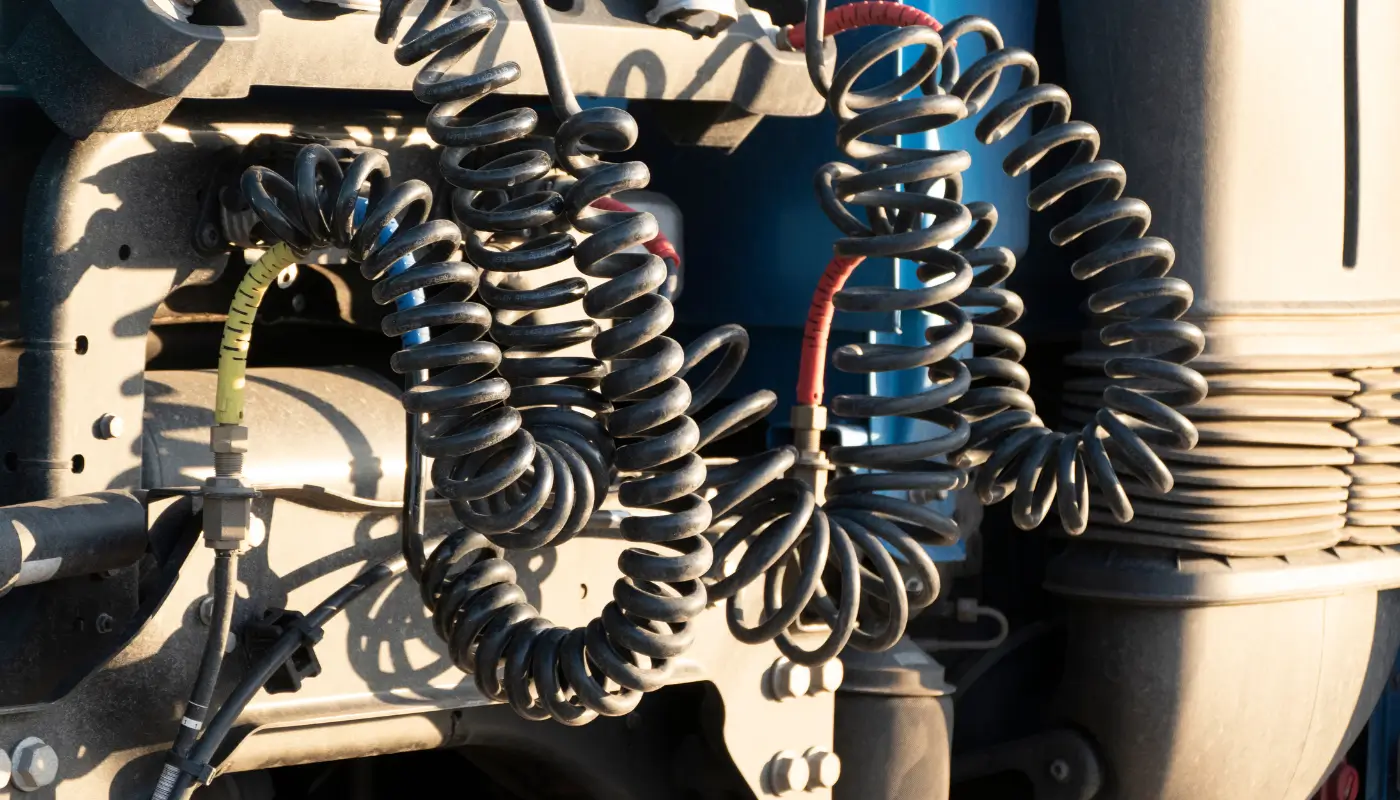
Visually inspect cables and connections
Before using specific tools, do a detailed visual inspection. Look for worn cables, loose connections or signs of corrosion on the terminals. Poorly connected or oxidized cables can impair the system's performance.
Check the battery
Use a multimeter to measure the voltage and make sure it is within the ideal range (generally between 12.4V and 12.7V for charged batteries). In addition, inspect the terminals to make sure they are clean and well connected.
Do this test monthly or before long trips.
Test the alternator
With the engine running, check whether the alternator is generating enough charge for the battery and the electrical systems. The voltage should be between 13.8V and 14.4V. If it is below or above this range, the alternator may have problems.
Evaluate the starter motor
The starter motor should work without unusual noises or failures. A multimeter can be used to measure the current during starting and identify possible abnormalities.
This test can be done every 10,000 km or during scheduled preventive servicing.
Analyze the lighting system
Make sure all exterior lights (headlights, taillights, turn signals, brake lights) and interior lights are working properly. Also check the headlight alignment to avoid problems when driving at night.
Test the fuses and relays
Inspect the fuse and relay panel to identify burned-out or worn components. Replace any fuse that is not working, as needed.
Use technological tools
Modern electronic diagnostic systems are excellent allies for checking the complete operation of the electrical system, identifying failures that are not visible to the naked eye.
Use these tools whenever a fault warning appears or during quarterly inspections.
Which tests should be done on the vehicle's electrical system?
Besides the basic inspection, some specific tests ensure that the truck's electrical system is operating efficiently. Among them:
- Battery load test: simulates the use of the electrical system in real conditions to check whether the battery can sustain the energy demand.
- Resistance test: identifies possible energy losses due to poor connections or worn components. Using a multimeter to measure the resistance in the main cables is essential.
- Short-circuit test: make sure there are no shorts in the system, which can cause serious failures or even fires. This test is especially important after electrical repairs.
- Charging system test: this test evaluates the interaction between the alternator, the battery and the starter motor, ensuring that all components are working in harmony.
- Electrical continuity test: checks whether electrical current is flowing correctly through all of the truck's circuits.
Ensuring that a truck's electrical system works properly is an important practice both for preventive maintenance and for the efficiency of the operation. By following these tips and doing the recommended tests, you reduce the risk of failures and increase the reliability of the vehicles.
To help implement a regular inspection and maintenance process, download our free checklist template kit now (in Portuguese).
Frequently asked questions
What voltage shows that the truck battery is good?
How do you know if the alternator has a problem?
How often should the starter motor be tested?
Which specific tests are worth doing on the electrical system?
Why does the electrical inspection matter for the fleet?
What should you look for in cables, connections, fuses and lights?
// newsletter
Fleet management content, straight to your inbox
Articles on tires, maintenance and fleet operations. No spam.