Types of vehicles: light, heavy and industrial
 Jade Zart 4 min read
The types of vehicles define the size and the types of fleet. They can be light, heavy or industrial.
Each one has different characteristics, but they are put in place for a single reason: to meet the company's demands. In other words, if you work with heavy cargo transport and/or the transport of large cargo, trucks, which are heavy vehicles, are necessary.
For interstate passenger transport, another type of heavy vehicle: buses.
Now, for transport such as that of medicines, in urban areas, a light-class vehicle, such as a motorcycle, for example, can meet a good part of the demand.
The manager and their team must know the fleet's vehicles well to standardize management and even to schedule maintenance precisely and in advance. It is also worth keeping a check routine before the vehicle goes out: the driver must check that the vehicle's equipment is present and in good working order.
Below, learn more about the types of vehicles:
Types of light vehicles
Cars
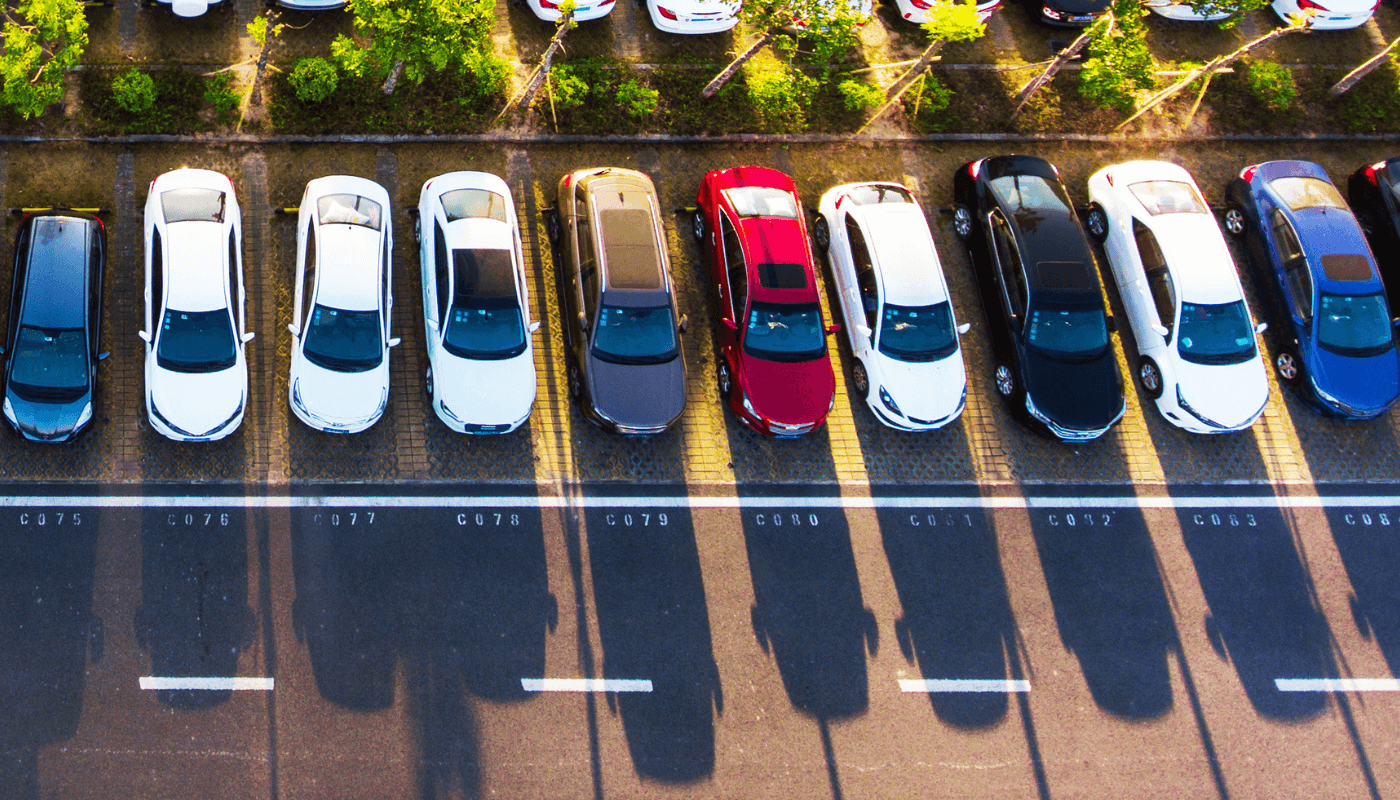
Economy cars are used for the regular transport of people day to day, both in urban centers and in rural areas. They are the population's main means of transport and are also used by taxis and ride-hailing app drivers.
Because they are versatile, they can also move small and medium loads, proving to be a good alternative to add to the vehicle fleet on urban and intercity routes.
The main appeal of cars is usually the more affordable purchase and maintenance price.
Motorcycles
Motorcycles have gained visibility in recent years for different types of service, especially after delivery apps became more popular.
Even so, even before that, motorcycles were already proving very promising for tasks that required speed and agility, especially in large cities, known for having a lot of traffic throughout the day.
Nowadays, motorcycles are used in delivery services in general, both in in-house fleets and by self-employed riders and for deliveries through specific apps. In some cases, they can be an alternative for the mobility of companies' professionals.
Vans
Vans have a compact structure; however, they still provide enough space for a good amount of cargo.
One of their great advantages is combining a smaller size than a truck with good capacity for urban deliveries, without depending on the same structure as a heavy vehicle.
Types of heavy vehicles
Trucks
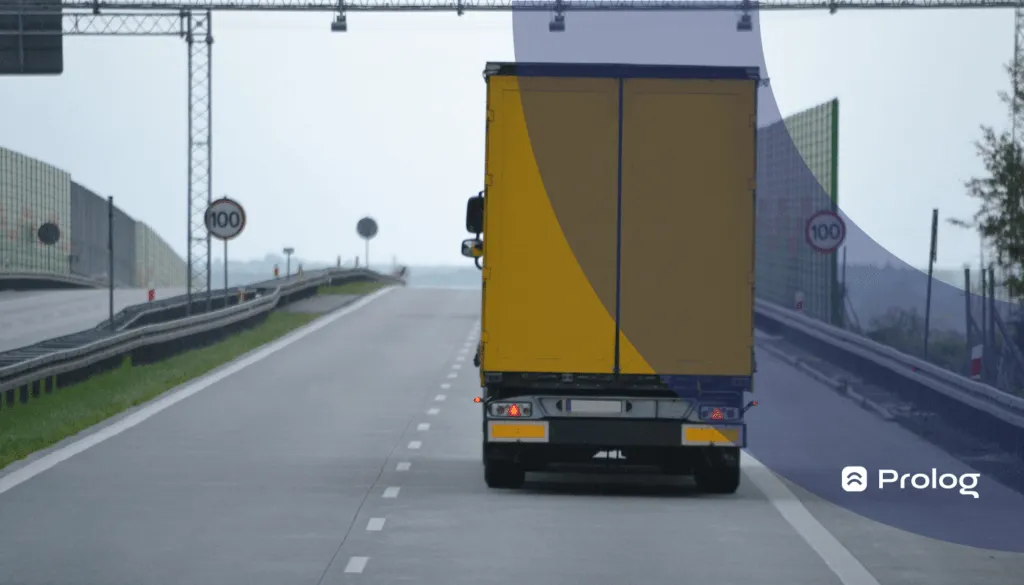
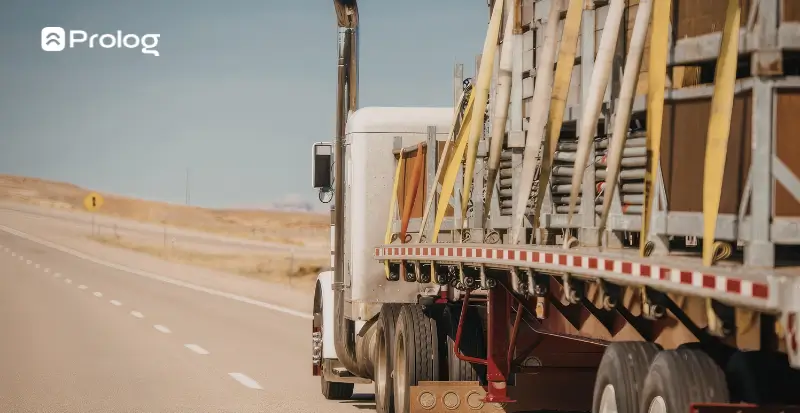
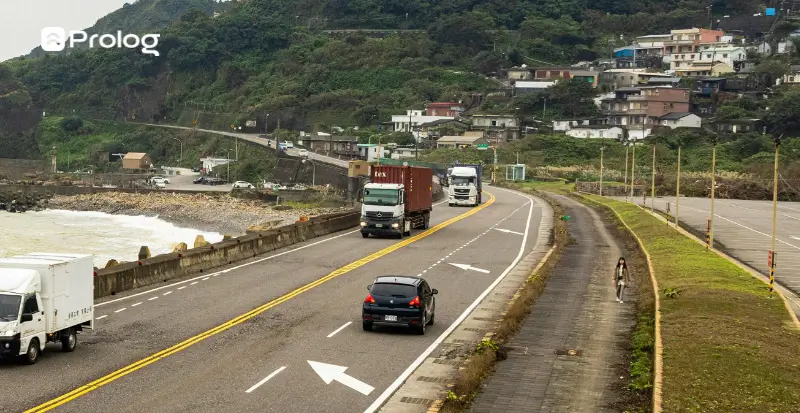
Trucks are heavy vehicles generally chosen by companies that meet a variety of demands within the freight transport market.
They have a great distinguishing feature: they can handle many types of cargo, although they are mostly used to carry the heaviest ones.
There are several types of trucks, and they can perform activities such as:
- Food distribution;
- Animal transport;
- Equipment delivery;
- Towing and garbage collection.
Buses
Buses are intended for transporting people and demand more responsibility in management.
They are subject to more intense work schedules and usually operate for companies that may provide both public and private transport services.
It is one of the vehicle types that is mechanically similar to the truck; bus tires, for example, are the same models used for trucks. The difference that stands out is that the bus primarily carries people rather than cargo, although it can also do so.
Types of industrial vehicles
Forklifts
If a certain material is too heavy to be moved by hand, forklifts do the job effortlessly.
They are industrial vehicles used to load and unload trucks and also to move goods around to organize inventory and warehouses. There are different models, some better adapted to supermarkets and wholesale, for example, and others geared toward the pharmaceutical industry.
Cranes
Cranes are machines used, in transport companies, to load and unload heavy objects.
They reach greater heights than forklifts in various applications and are common in outdoor and construction areas, able to carry large blocks or bags of sand and cement from one side to the other quickly and without difficulty.
They are vehicles equipped with extremely strong lifting cables, wires, chains and pulleys. A distinguishing feature? The horizontal movement of loads.
Pallet jacks
While forklifts lift loads to small and medium heights, pallet jacks carry these loads from one place to another.
The vehicle has two forks that fit under the pallet and a handle responsible for lifting and moving the materials.
Another essential item for companies that keep warehouses and inventory and that depend on pallets for storage and transport is pallet racking. Using pallet jacks is practically mandatory in these situations.
Now that you know which types of vehicles make up the fleet, take the opportunity to download our Fleet Management Guide (in Portuguese) to understand how to best direct your efforts toward efficient management.
Frequently asked questions
How do you choose between a light and a heavy vehicle for the operation?
Why can a van be more efficient than a truck in the city?
What is the difference between a forklift, a crane and a pallet jack?
Is managing buses different from managing trucks?
What services does a fleet truck usually handle?
// newsletter
Fleet management content, straight to your inbox
Articles on tires, maintenance and fleet operations. No spam.