How to expand your truck fleet with confidence
 Jade Zart 4 min read
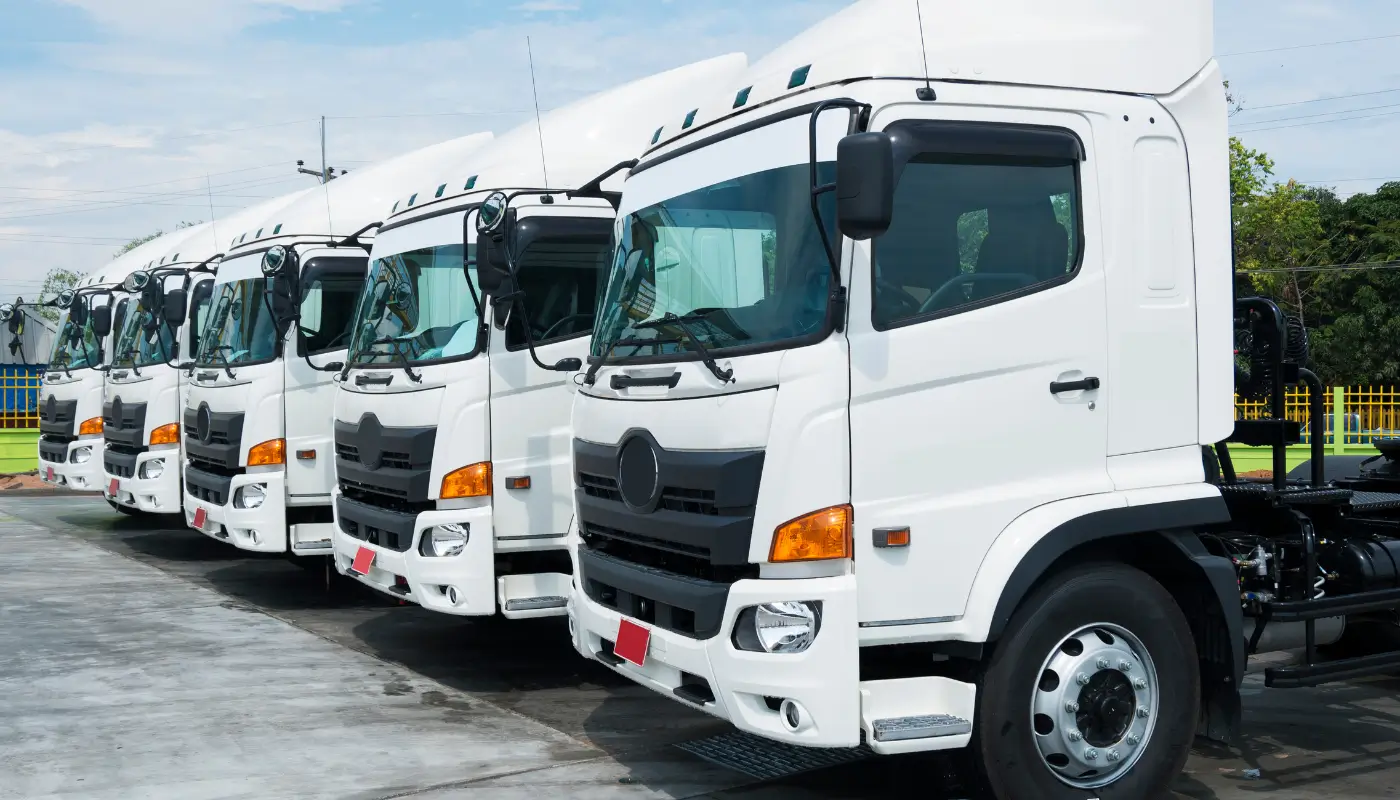
When the goal is to expand your truck fleet, you need to assess all company reports and market demand to determine whether the time is right to grow the business.
To meet deadlines more effectively and maintain road safety, sometimes the only alternative is to buy new vehicles. They come with a long list of other obligations and expenses. That is why planning before the purchase is essential.
Anything that requires capital can cause some apprehension, right? This brief guide will explain what comes with expansion, helping you feel more confident and assured.
Let’s get started:
What should you do to expand your truck fleet?
When it is time to increase your truck fleet, ideally you should follow steps that make expansion financially sound and ensure you really are making a good investment.
Consider how much you want to expand based on the increase in demand your company already has or is planning for the near future. Some questions should guide this process:
- How many new customers will I serve or do I want to serve?
- How many trucks are needed to meet this demand?
- Which vehicle types will the company need? Consider the cargo to be transported, maximum weight and distance to be covered.
- Will it be necessary to hire new drivers? If so, how many?
- Is there room in the parking area?
- Is there space to store supplies and products?
- Do the management, oversight and maintenance teams need to grow? If so, how many new employees will be needed?
A meeting with logistics management is important before making any decision. This makes it possible to resolve more questions and start an expansion project confident that everything will work out.
Remember that the fleet needs maintenance and incurs recurring insurance, tax and fuel expenses. What we mean is:
It is essential to understand and respect your business’s financial limits.
Why expand your truck fleet?
Everyone wants a successful business. In many cases, this does not mean having a large number of customers, but providing high-quality, high-volume services for important companies.
To meet this kind of demand, the fleet needs to be prepared. In many cases, that means expanding the truck fleet to handle both raw material transport and finished product distribution.
What is more, new prospects may contact your company at any time. Are you ready? Do you already have a plan lined up?
You need, at a minimum, to know how much budget is available so you can show customers how you can meet incoming demand — or estimate how long it will take to obtain the assets needed to handle operations of that size.
When an opportunity arises, growing and expanding the fleet is essential to closing those deals and even transporting different supplies and products.
After all, logistics is a dependable sector with enormous growth potential. More than 60% of Brazil’s freight transport takes place by road.
In other words, by providing an organized service and delivering responsibly, you can find a prominent place in the market.
You also need to learn:
How do you care for a truck fleet?
To care for a fleet, it is important to know the types of trucks (in Portuguese) available and how they work for each cargo type, their maximum capacity and their loading and unloading methods.
These details will help you better manage, and train drivers (in Portuguese) and other employees in, the specifics of each vehicle model.
Managing vehicles is also the way to understand fleet needs. During preventive servicing, it is time to observe what is beginning to fail and schedule maintenance to keep every truck component working properly.
Another point:
Cargo monitoring is essential. It ensures the safety of customers’ products, the truck and the driver.
Implementing a good monitoring system is essential to track cargo in real time and avoid risks such as theft and loss.
What other duties does a fleet manager have?
Routes must also be well managed, with safer journeys in mind (in Portuguese) and roads in good condition. Whenever possible, the manager should establish shorter routes to speed up deliveries and save fuel — while paying attention to traffic, the number of curves and traffic lights along the road.
Speaking of savings, the person responsible for fleet management should always keep track of changes in fuel and heavy vehicle parts prices.
They also need to stay informed about developments in the logistics market to implement new technologies and update fleet plans to bring good results to the team’s routine.
Last but not least, all company employees should receive frequent training to improve service quality and encourage professional development among the workforce — and the manager’s job is to provide and enable these tools for employees.
With so much information, you may be wondering: how can you organize all this without overlooking anything?
We have the answer and the solution: simply download our free Fleet Management Guide (in Portuguese) and start managing in a more organized, productive and economical way.
Frequently asked questions
Demand has exceeded my current fleet’s capacity — how do I know whether it is time to buy a truck?
What costs come with each truck added to the fleet?
How can I prepare to respond quickly when a large contract comes along?
Besides buying vehicles, what changes in the routine of managing a larger fleet?
Why is road transport still considered a good market for growth?
// newsletter
Fleet management content, straight to your inbox
Articles on tires, maintenance and fleet operations. No spam.