Fleet management in construction: how to do it
 Jade Zart 4 min read
Fleet management in construction and civil engineering is a critical factor for the success of a company in this industry.
The efficiency of construction operations depends directly on the quality of the management of the vehicles and equipment used in its activities. Therefore, with strategic management, it is possible to optimize your routine and improve your fleet's results.
This can apply to financial, operational or administrative aspects.
Here is what you will find below:
- How does fleet management in construction work?
- What are construction vehicles?
- How do you manage a fleet in construction?
How does fleet management in construction work?
This management involves controlling and organizing the trucks used, as well as matters related to their tires and maintenance. Fleets of heavy machinery, equipment or light vehicles can also be included, depending on the company's needs.
Its main goal is to ensure that the assets of the company's operations work fully and that the benefits of management are realized, such as resource savings and greater availability and durability of the items.
What are the vehicles in construction fleet management?
Construction vehicles can be:
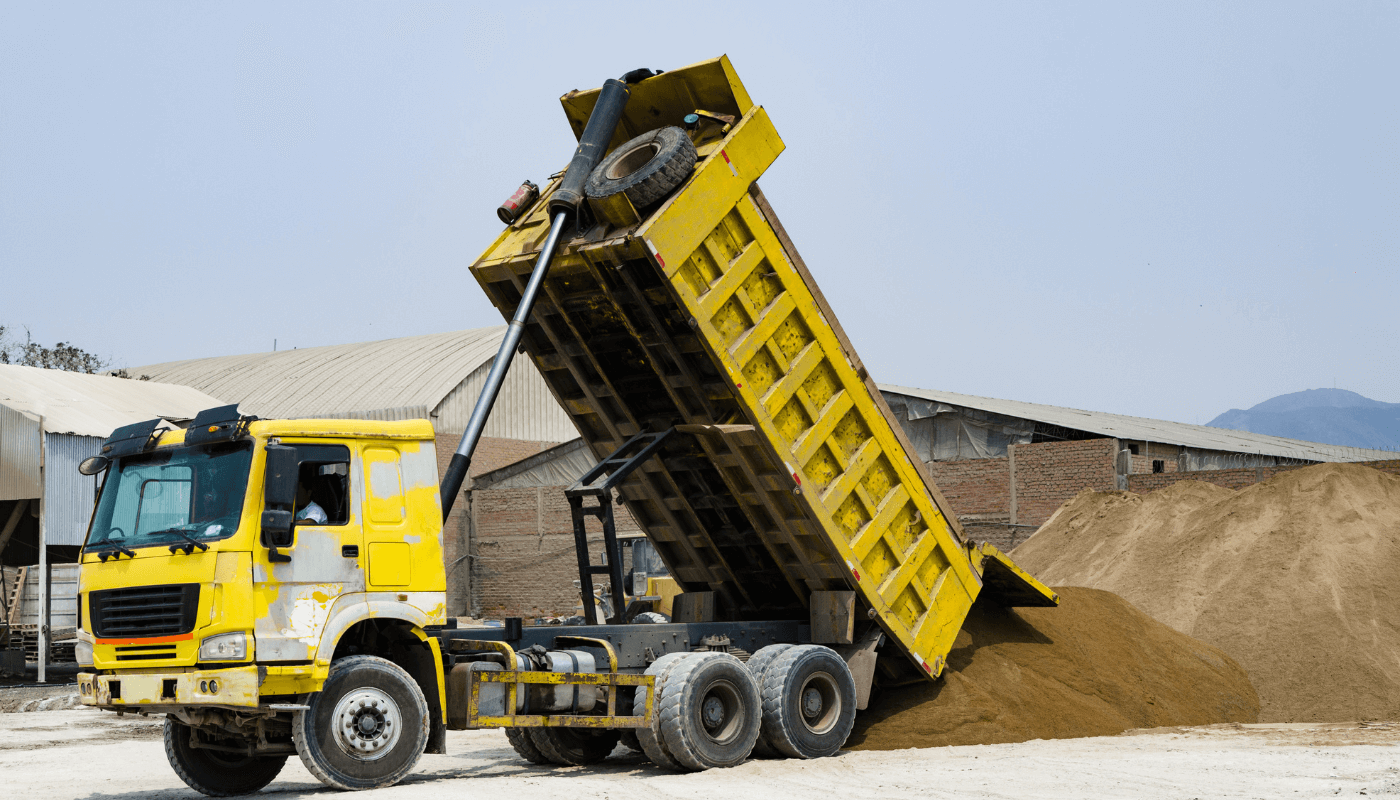
- Dump truck;
- Concrete mixer truck;
- Water truck;
- Excavators;
- Backhoe loaders;
- Wheel loaders;
- Tractors;
- Paving machines;
- Cranes.
How do you manage a construction fleet?
Acquiring the right vehicles
Choosing the right vehicles is essential for the efficiency of a construction fleet. You need to consider the vehicle's functions, the terrain it will operate on and the load capacity it needs to move.
That is why you should first assess your operation's needs and look for the vehicles that best fit them.
Maintenance planning
After acquiring the vehicles, you also need to manage them. At this point, you should draw up a maintenance plan, identifying when vehicle inspections should take place and making available the tools needed for them — such as the vehicle checklist.
In addition, you need to keep track of the information collected on each asset of the heavy fleet and carry out analyses to understand whether it is working properly, whether maintenance costs are above average and so on.
That is why, in the plan you develop for your operation, you should include the maintenance metrics and KPIs that will be measured, as well as the report template to be followed.
Refueling management
Refueling is generally the main cost of a fleet operation. Depending on the mileage driven by each vehicle, it may even be necessary to refuel daily.
Other factors can also influence fuel consumption, such as tire calibration and wear, or problems in the vehicle structure. That is why you cannot carry out only refueling management; management of the entire fleet is essential.
Keeping track of the amounts refueled and the consumption of each vehicle is indispensable, as is implementing training on how to drive economically. Looking for alternatives such as fuel cards is also a viable way to reduce your costs and have greater control over this area of the fleet.
Vehicle monitoring
Monitoring is not just an indicator of the vehicle's location; most of the more modern systems make it possible to understand a range of behavioral information. These include: the vehicle's average speed, the number of stops made, engine idle time, among others.
Besides ensuring better route optimization, it is also possible to identify which actions should be taken to better train the fleet's drivers and which instructions should be applied at each moment.
Cost control
Effective cost management involves a detailed analysis of expenses, from maintenance to insurance and keeping documents up to date. An integrated system can resolve this issue easily and quickly.
You can consider a solution to implement in your company in order to centralize your fleet's operational control.
What matters is that you can gather data and have a complete, organized view of all the fleet's costs. This will make it more practical to understand where your biggest problems are and what the savings opportunities are.
Driver management
Drivers play a key role, being responsible for the performance and safety of the routes driven. Investing in training and incentive programs is a wise decision, both to ensure defensive driving practices and the routines they must follow.
This can include carrying out the vehicle inspection checklist, tire calibration or recording a work order.
Vehicle and travel management
Because of their size and, often, their weight, construction fleet vehicles need some additional care in route planning. Especially when traveling on public and urban roads, there are several locations where limits are set for passage.
Therefore, these factors must be taken into account to avoid getting any fines or having a vehicle stuck on an obstacle, and to ensure the success of the fleet's operations.
Tire control
Tire control for heavy vehicles is essential in construction fleet management, since vehicles in this industry face quite unfavorable conditions for the upkeep of these components.
To ensure good performance and good running conditions, you need to frequently adjust the pressure and keep track of the tires' tread depth, through periodic inspections and maintenance.
In addition to keeping the tires fit for use, you avoid an increase in fuel consumption, making fleet management in construction and civil engineering more efficient and economical.
Check out even more tips and practices for your management in our free material. Download the Fleet Management Guide (in Portuguese).
Frequently asked questions
Which vehicles make up a construction fleet?
How do you choose the right vehicles for the job site?
What should the maintenance plan include?
Why is tire control so critical in this industry?
How can refueling costs be reduced in the operation?
What precautions does moving construction vehicles require?
// newsletter
Fleet management content, straight to your inbox
Articles on tires, maintenance and fleet operations. No spam.