Last mile: what it is and how to manage this fleet
 Jade Zart 4 min read
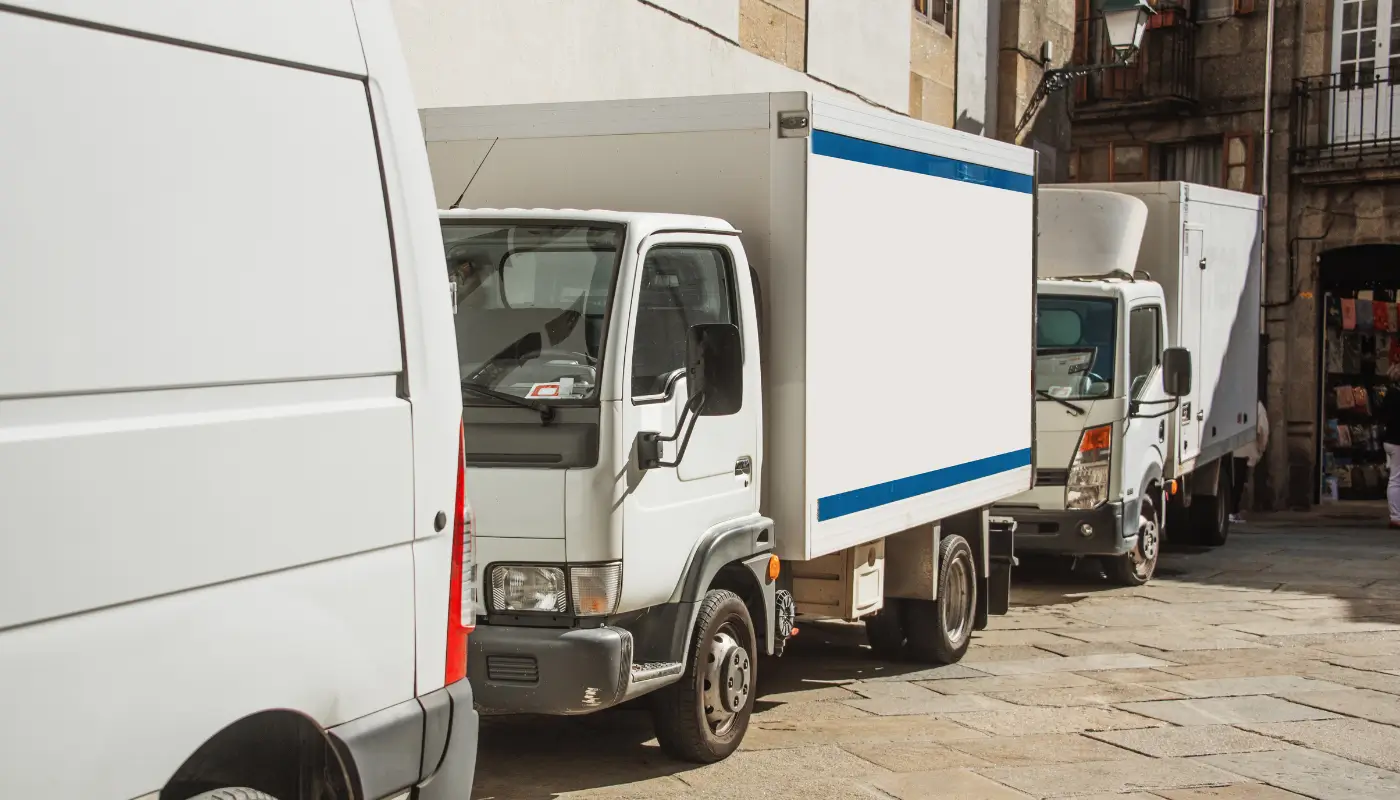
The last-mile fleet represents the final link in the delivery process, taking the product or goods directly to their final destination, whether a customer's home or a point of sale.
Essential for the successful completion of the delivery cycle, it can operate with a variety of vehicles, adapting to the nature and volume of the loads, as well as to the specifics of each transport company.
Managing this type of fleet is challenging and, generally, high-cost, requiring the coordination of multiple points of contact and detailed oversight to optimize routes, keep track of deliveries and maintain effective communication with the end consumer.
Read more below:
What is the last mile?
The last mile, also known in Brazil by its English name, “last mile”, is an expression used to describe the final stage of a logistics process: the departure of a product or goods from the distribution center to reach its final destination.
This destination may be the consumer's home, a pickup point or a point of sale (a commercial establishment).
What is the last-mile fleet?
The last-mile fleet consists of the set of vehicles in charge of making deliveries in this final stage of the logistics process.
Although it is often made up of smaller trucks or vans, the selection of vehicles can range from cars and motorcycles to drones and bicycles, depending on the size of the load and the resources available to the transport company.
Regardless of the vehicle used, the last-mile fleet goes through several stages, from delivery route planning to confirmation of arrival.
How do you manage a last-mile fleet?
Managing a last-mile fleet involves processes similar to managing any other logistics stage. It also involves logistics planning, route planning, oversight, care for vehicles and tires, driver management and so on.
To start managing a last-mile fleet, you need:
Logistics planning
Before starting any fleet operation, you need to define some basic questions, such as the vehicle that will be used, the quantity and variety of loads and goods that will be carried, the driver in charge, how many stops will be made and the best route for it.
This planning is fundamental to anticipate and avoid any problem, while also seeking operational efficiency and greater productivity.
For this to be possible, the manager needs access to information on the vehicles available for the date, on the drivers' schedule, on possible roadworks and incidents on the intended route, among other details.
That is why the other processes for managing the last-mile fleet are also fundamental:
Route planning
Route planning in last-mile fleet management involves using intelligent systems to determine the most efficient routes for deliveries.
In this case, it can consider several factors, such as real-time traffic, customers' specific delivery restrictions and the planned delivery windows.
But there is no doubt that the main goal of this process in the fleet is to minimize the time and distance traveled, optimizing operating costs and increasing customer satisfaction with faster and more punctual deliveries.
Fleet maintenance
Preventive maintenance helps avoid unexpected breakdowns and stoppages that can negatively affect delivery efficiency.
Regular maintenance programs ensure that vehicles are always in ideal operating condition, reducing the costs of emergency repairs and extending the useful life of vehicles.
We are talking here about regular inspections, oil changes, tire and system checks and necessary repairs.
Refueling control and fuel
Refueling control and fuel consumption control help avoid excessive spending on this resource, since it is already one of the main expenses of transport fleets.
It can be achieved through a combination of efficient vehicles, driver training in economical driving practices and tracking of fuel consumption.
Fleet management systems can also offer insights into consumption patterns and identify areas for improvement to reduce this expense.
Drivers' working hours management
Monitoring and managing drivers' working hours is fundamental to ensure compliance with labor regulations and to promote road safety.
Drivers' working hours management helps avoid overwork, reducing the risk of fatigue and accidents.
In addition, it enables a more balanced distribution of workloads, contributing to driver satisfaction and retention.
Real-time communication
Communication between fleet managers, drivers and customers includes passing on information about route changes, delivery status updates and the resolution of problems that may arise.
Technologies such as mobile apps and messaging systems make this instant communication easier, improving operational flexibility and the customer experience.
Cargo tracking
Cargo tracking allows fleet managers and customers to keep track of the progress of deliveries in real time.
This increases transparency and trust between the parties involved, enabling more efficient management of last-mile logistics.
With cargo tracking, it is possible to identify route deviations and delays and to optimize future processes based on concrete data, ensuring greater efficiency and customer satisfaction.
To learn more about efficient fleet management, check out our free guide with tips and explanations to get the best results in your fleet management. Download it now (in Portuguese).
Frequently asked questions
What is the last mile in logistics?
Which vehicles make up a last-mile fleet?
Why is this fleet usually expensive and hard to manage?
Which processes make up the management of a last-mile fleet?
What needs to be defined before the fleet heads out onto the street?
// newsletter
Fleet management content, straight to your inbox
Articles on tires, maintenance and fleet operations. No spam.