Mixed fleet: what it is and when it is worthwhile
 Jade Zart 5 min read
If you are looking to increase the productivity of transport operations, a mixed fleet should be one of the alternatives to consider.
Using different vehicles makes it easier to plan effective routes and transport different materials and products. Likewise, transport is simpler across the different stages of the production chain, whether in the industrial stage or urban distribution.
Learn more:
- What a mixed fleet is;
- What fleet models exist;
- Why use a mixed fleet;
- What the advantages of a mixed fleet are;
- How to manage a mixed fleet.
What is a mixed fleet?
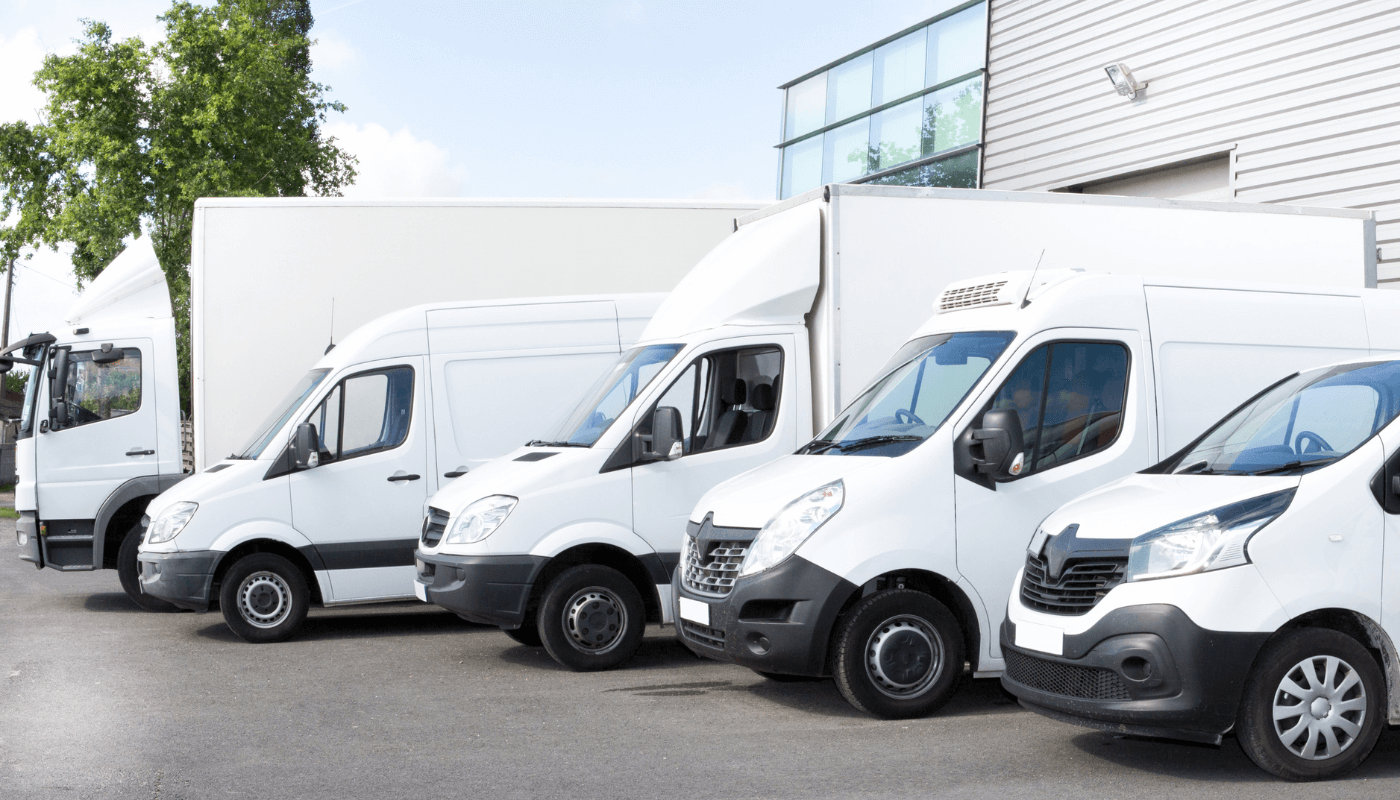
A mixed fleet has different vehicle types for the company's transport. From heavy vehicles to passenger cars, the means of moving cargo and products depends on your business needs.
The main goal of this fleet type is to bring diversity and agility to transport operations, allowing the same company to transport products from start to finish.
That means moving raw materials for production through to final delivery of finished goods to the consumer. For example:
- Freight trucks take raw materials to the factory;
- After production is complete, other truck types (in Portuguese) take large volumes of goods to distribution centers;
- Then, small trucks and semi-trailers handle urban product distribution to different points of sale;
- Also leaving distribution centers, vans, cars and motorcycles can make deliveries directly to customers at their homes.
What managers should assess when considering a mixed fleet is how much having different vehicles helps make transport and deliveries faster — and whether that is actually one of the company's objectives.
What fleet models exist?
Fleets can be owned or outsourced. Generally, those operating a mixed fleet have a partly owned and partly outsourced fleet.
Understand when each is worthwhile:
Owned fleet
In this case, the vehicles and responsibility for them belong entirely to the company.
An owned fleet is advantageous if the company has frequent transport services and high demand to meet. Otherwise, the costs of maintaining vehicles and employees to keep everything functioning properly can be excessive.
Outsourced fleet
Here, another company is responsible for all vehicles. So vehicle purchases, depreciation, documentation and insurance arrangements are not concerns you need to have.
However, you still need to deal with other transport processes, such as route planning and fleet monitoring.
This is because if you work at a factory and hire a transport company, you are outsourcing the transport service entirely.
On the other hand, if you contract an outsourced fleet, you are outsourcing only the vehicles, remaining responsible for having drivers and cargo checkers, for example.
An outsourced fleet therefore becomes advantageous when company resources are more limited and you need to focus more on making transport work than on acquiring new vehicles.
Why use this type of fleet?
A mixed fleet is a growing trend in transport. It gives companies autonomy to control product movements from start to finish.
This ensures processes are centralized, enabling higher-quality transport.
Having a mixed fleet means having different means of transport at your disposal. This lets you plan product movements in the way that makes most sense and brings greater efficiency to the company.
For example, initially, heavy vehicles are more attractive because they move larger product volumes and make long-distance transport more economical.
For urban movements, light vehicles may be a better choice because they do not hinder city mobility and have greater flexibility to move around.
After all, cities have streets and locations where even small trucks cannot travel, making route planning harder and sometimes increasing transport operation times.
Another highlight is the flexibility a mixed fleet provides for making small deliveries. This means managers do not need to puzzle over how to fill a truck on a route because a smaller movement is needed.
They also do not need to worry about unnecessary fuel expenses or the low productivity of sending a large truck with a small delivery. A mixed fleet provides flexibility to send that delivery in a pickup truck or even on a motorcycle, if appropriate.
To sum up, the advantages of a mixed fleet are:
- Increased productivity;
- Improved route and delivery planning;
- Flexibility for unforeseen and/or urgent deliveries;
- Reduced operating costs (such as fuel and tolls);
- Higher-quality transport.
How do you manage a mixed fleet?
Mixed fleet management works just like fleet management for a “single-type” fleet, containing only one vehicle type. In other words, through:
- Setting goals: the starting point for management is planning and determining goals to achieve, thereby setting the direction of actions for the period.
- Mapping vehicles: identify the vehicles, how many there are, manufacturing and purchase years, mileage covered and so on. This is an important step in understanding fleet age, planning renewal and understanding vehicle availability to determine routes and operations.
- Cost forecasting: understanding how much each vehicle type spends and establishing an average monthly cost helps determine budgets and plan one-off expenses over the long term.
- Maintenance management and tire management: vehicles need frequent maintenance and well-cared-for tires; this type of management prevents accidents and keeps expenses predictable and under control.
- Analysis of performance indicators (KPIs): using KPIs is essential to understand whether goals are being met and what should be done if daily fleet actions are not moving toward company objectives.
The difference is that at each stage, you need to assess the different vehicle types used in the fleet.
A truck uses much more fuel than a motorcycle and also has higher maintenance and tire expenses, requiring goals and KPIs more focused on these stages.
On the other hand, motorcycles are more susceptible to accidents and fines for improper overtaking or running red lights, so they need closer attention on these points.
Continue learning how to manage fleets in our resource on the subject. Download it free (in Portuguese).
Frequently asked questions
What is a mixed fleet?
Owned or outsourced fleet: when does each pay off?
What are the advantages of operating a mixed fleet?
Why use different vehicles instead of standardizing the fleet?
What changes in management when a fleet has both trucks and motorcycles?
// newsletter
Fleet management content, straight to your inbox
Articles on tires, maintenance and fleet operations. No spam.