Sustainable fleets: renewable energy in operations
 Jade Zart 9 min read
A renewable-energy fleet seeks to reduce dependence on fossil sources in transport operations and incorporate alternatives compatible with the vehicle type, route and available infrastructure. It is not a simple fuel switch: it involves asset planning, refueling or charging, maintenance, people and data to keep track of results.
Interest in sustainable fleets grows as companies begin to examine energy consumption, emissions and waste in their operations. But the decision needs to start from the fleet’s actual conditions. An alternative suitable for urban trips may not meet the needs of a long route, a specific load, a 24-hour operation or a region without supporting infrastructure.
Besides renewing vehicles, the company can review how it plans trips, maintains components, records refueling and measures its impacts. Sustainability depends on a consistent routine, not just acquiring technology. That is why it is worth distinguishing what can already enter operation, such as compatible biofuels and electric vehicles on planned routes, from what still depends on a pilot, infrastructure, technical support or public policy.
Explore the concept, options and precautions for assessing a renewable-energy fleet:
- what a renewable-energy fleet is;
- how it works;
- what benefits it can bring;
- how to implement this fleet;
- how to promote sustainability in operations.
What is a renewable-energy fleet?
A renewable-energy fleet consists of vehicles and processes that use energy from renewable sources, depending on the technology and operational availability. Electric vehicles, hydrogen-powered solutions and biofuel use can be part of this discussion, but they are neither interchangeable nor suitable for every case.
The objective may include reducing transport-related emissions, diversifying energy sources and aligning operations with environmental goals defined by the company itself. The actual effect should be measured using clear criteria, because it depends on the source of energy, fuel, vehicle, route and how the fleet is used.
It is also important to distinguish renewable energy, alternative fuel and a sustainable fleet. An electric vehicle has no tailpipe emissions, but generating the energy used for charging may produce carbon pollution. Hydrogen can be produced from renewable resources, but refueling availability and suitable models still need to be confirmed case by case. Biofuels, in turn, are derived from renewable biomass and can partially or fully replace petroleum fuels and natural gas, provided compatibility and applicable requirements are respected.
That is why it is more accurate to treat a sustainable fleet as an operational project. Before announcing a goal, define which vehicles will be analyzed, what problem the change aims to solve and what data will be used to verify the result.
How does a renewable-energy fleet work?
How it works changes with the chosen technology. An electric vehicle depends on batteries, charging and planning that considers the required range and charging points. The source supplying the charging also matters when the company assesses the operation’s energy impact.
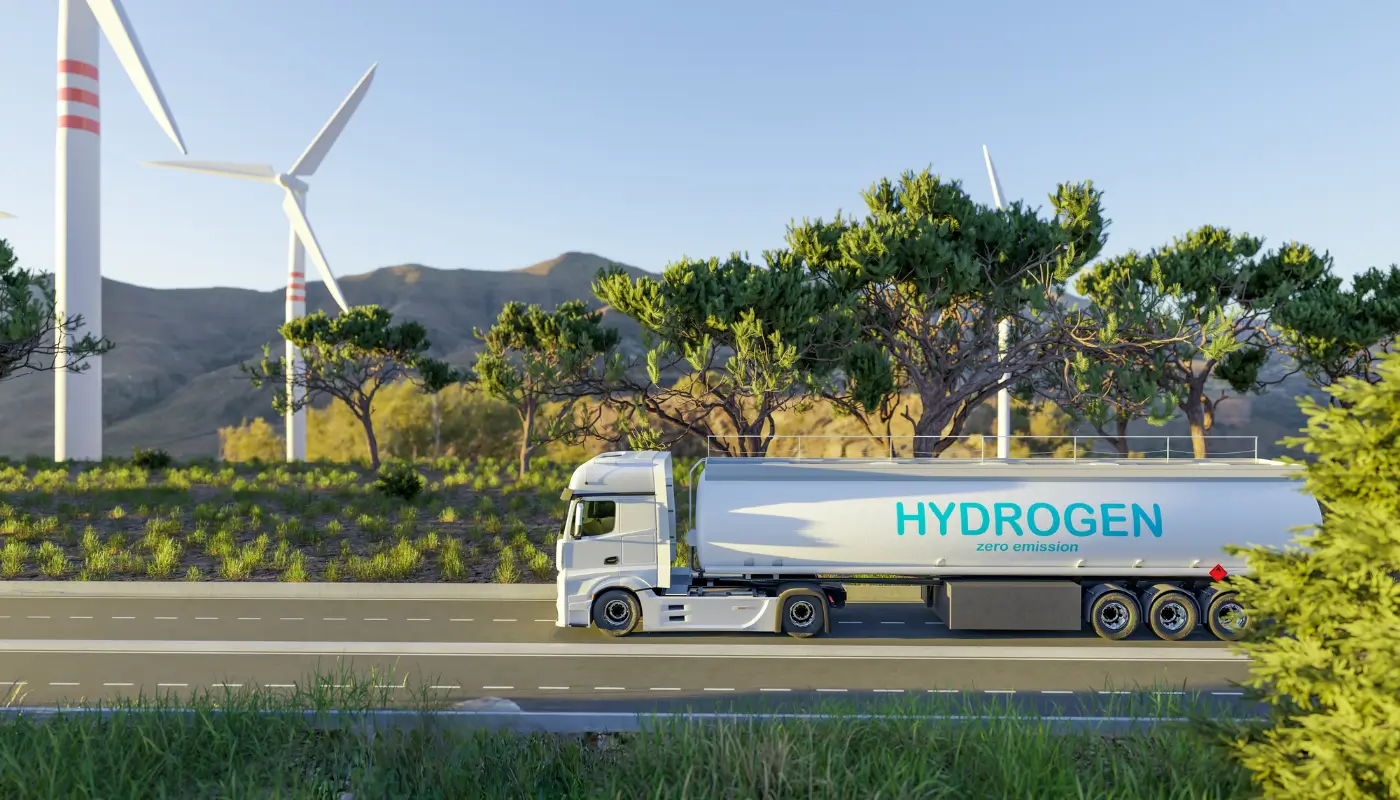
Fuel-cell vehicles use hydrogen to generate electricity onboard. This alternative requires assessing fuel availability, refueling conditions, technical support, safety and whether the model suits the planned activity. Vehicles of this type emit only water vapor and warm air through the exhaust, but the fleet’s decision still depends on the source of hydrogen, the refueling network and the support available for the operation.
Biofuels are another possible avenue. In Brazil, biodiesel, ethanol and biomethane are alternatives that can be included in this assessment. ANP’s (Brazil’s National Agency of Petroleum, Natural Gas and Biofuels) biofuels page brings together information and references for these products; the fleet’s choice should respect manufacturer recommendations and requirements applicable to the operation. Using an alternative without checking compatibility can create a mechanical or operational problem instead of reducing impact.
Compressed natural gas may appear in discussions about alternative fuels, and biomethane deserves attention when the company seeks a renewable source for an application similar to natural gas. ANP describes biomethane as a gaseous biofuel obtained from processing biogas, with characteristics that make it interchangeable with natural gas in its applications. Even so, the fleet needs to assess supply, contracts, storage, refueling and maintenance before treating the alternative as a ready-to-use solution.
In all cases, the fleet needs to record consumption, mileage, cargo, maintenance, availability and conditions of use. This data helps compare the new alternative with the previous situation without attributing a variation to a single cause.
What are the benefits of using a renewable-energy fleet?
A fleet based on renewable energy can support environmental and management objectives, provided the solution suits the operation. Benefits should not be treated as guaranteed: costs, availability, emissions and performance depend on the vehicle, infrastructure, energy source and project execution.
Results the company can pursue and keep track of include:
- reducing fossil fuel use in activities for which a compatible alternative exists;
- keeping track of emissions and consumption using criteria defined for the fleet itself;
- organizing data that contributes to discussions about ESG in transport;
- assessing energy, maintenance, infrastructure and availability costs throughout use;
- identifying technical, environmental and regulatory requirements applicable to each alternative;
- learning from a pilot project before extending the change to the whole operation.
There may also be an effect on brand perception, but it should be a consequence of verifiable practices. Environmental communication needs to match what the company actually measured and implemented, without promising that a single change makes the fleet fully sustainable.
In practice, the environmental benefit should be described carefully. All-electric vehicles produce zero direct emissions, while many alternative fuels burn more cleanly than gasoline or diesel and can generate fewer tailpipe emissions. Even so, emissions associated with fuel production depend on the source used, so the analysis needs to consider the operational cycle the company can measure.
How can you implement this fleet in your operations?
Assess fleet needs
Start with an assessment. List vehicle types, distances, cargo, terrain, operating windows, energy availability, stopping points and maintenance requirements. These elements help identify which vehicle type can be assessed initially.
Do not choose a technology just because it is trending. Compare the activity each vehicle performs today with the range, capacity, infrastructure and safety requirements of the alternative being considered. The result may indicate that the transition is viable for part of the fleet, rather than necessarily all assets.
Hydrogen can be considered for transport applications such as 24-hour operations, long-distance operations and locations where the electricity grid cannot economically support battery-electric vehicles. This does not settle the decision: turn the technology choice into a testable operational hypothesis rather than a generic promise.
Plan finances and budgets
The budget needs to include more than the purchase price. Consider installing or contracting infrastructure, adapting facilities, training, maintenance, energy, insurance, parts availability and the time needed for implementation.
Financing programs, incentives or tax benefits may exist in certain locations and periods, but should not be assumed. Confirm current rules, eligibility and financial impact with the responsible departments before incorporating them into the decision.
Also compare operating costs on an equivalent basis. A vehicle may have more favorable refueling or charging on one route and worse performance on another; an in-house refueling or charging base may provide predictability, but requires investment, maintenance, safety and contract management. Without these elements in the budget, the analysis is incomplete.
Plan and develop the necessary infrastructure
Infrastructure should meet actual operational needs and account for how the fleet will be served at peak use. For electric vehicles, assess location, electrical capacity, charging time, access, safety and a plan for unavailability. For other alternatives, assess the supply chain, storage, refueling and technical support.
Installing equipment or signing a contract is not enough. Define people responsible, inspection routines, emergency procedures, consumption records and how communication between operations, maintenance and management will work.
When the alternative depends on energy, fuel or support that is still scarce in the region, treat infrastructure as part of the project rather than a later detail. This check is what separates an operation ready to scale from a test limited to specific vehicles, routes and shifts.
Implement gradually
A pilot with clearly defined vehicles and routes allows the process to be tested before increasing investment. Establish a baseline, an evaluation period and criteria for deciding whether the solution will be adjusted, retained, expanded or stopped.
Gradual implementation reduces the risk of changing the entire operation with little evidence. It also helps train teams and correct records, infrastructure and procedures while the project is still at a controlled scale.
The pilot should make clear what is being tested: consumption, availability, cost, team acceptance, safety, maintenance, refueling or charging time and impact on scheduling. If the technology still depends on public policy, climate credits or local energy and fuel supply, record that dependence as a risk rather than an already guaranteed result.
Monitor and analyze implementation and results
To keep track of implementation, record energy or fuel consumption, mileage, availability, maintenance costs, downtime and conditions of use. Define how each indicator will be calculated and compare equivalent vehicles and periods.
Monitoring should identify both benefits and limitations. A change in route, cargo, driver, weather or maintenance can influence the result; therefore, investigate variations before concluding that the new technology was the only cause.
Well-planned routes help maximize efficiency by reducing distance traveled, stops, time in transit and the number of vehicles needed. Maintenance and training also factor in: correctly inflated tires last longer, improve fuel economy and are safer; driver training programs can help fleets save fuel and money while improving air quality.
Promoting sustainability through renewable energy
Promoting sustainability through renewable energy means combining technology choices with operational discipline. Inspections, maintenance, trip planning, training and consumption control remain relevant even when the energy source changes.
The company can share what it learned from the project, provided it communicates assumptions, results and limitations responsibly. This contributes more to the industry than a generic promise of impact without supporting data.
Stay informed about practices and possibilities for sustainable fleet management. Subscribe to the free newsletter (in Portuguese) to receive content about transport and management.
Sources consulted
- ANP — Biofuels (in Portuguese): reference page on biofuels, with information and links for biodiesel, ethanol and biomethane.
- ANP — Biomethane (in Portuguese): reference page on biomethane and its relationship with biogas and natural gas.
- US EPA — Learn About Green Vehicles: reference on green vehicles, alternative fuels and tailpipe emissions.
- Alternative Fuels Data Center — Hydrogen Basics: reference on transport applications in which hydrogen can be considered.
- Alternative Fuels Data Center — Efficient Driving to Conserve Fuel: reference on routes, tires, maintenance and training for efficiency.
Frequently asked questions
What is a renewable-energy fleet?
What renewable-energy alternatives are available for fleets?
What benefits can a sustainable fleet bring?
How can a renewable-energy fleet be implemented?
Is it worth starting with a pilot project?
How can you tell whether the switch to renewable energy delivered results?
// newsletter
Fleet management content, straight to your inbox
Articles on tires, maintenance and fleet operations. No spam.