Tire management plan: when to use one and how to create it
 Jade Zart 5 min read

The tire management plan is becoming an essential tool for fleets and transport operations.
This document establishes the activities and routines related to caring for the company's tires, as well as defining the metrics and indicators that should be kept track of to optimize results.
Despite its many benefits, developing this document is still not very common in fleets. That is now starting to change.
Take a look below:
- What a tire management plan is;
- When to use a tire management plan;
- Benefits of planning tire management;
- How to create an analytical tire management plan.
What is a tire management plan?
It is a plan that determines the actions needed to care for fleet tires, recording and organizing the management routine. It can also be used to set parameters, establish goals and identify tire maintenance services.
It is similar to the preventive maintenance plan already widely used in fleets, but focuses only on tires.
Its ultimate goal is to ensure (and even extend) the useful life of tires. It also sets out what positive results look like and how they should be measured.
When should you use a fleet tire management plan?
Some situations where a tire control plan proves necessary:
1 – If you are losing many fleet tires
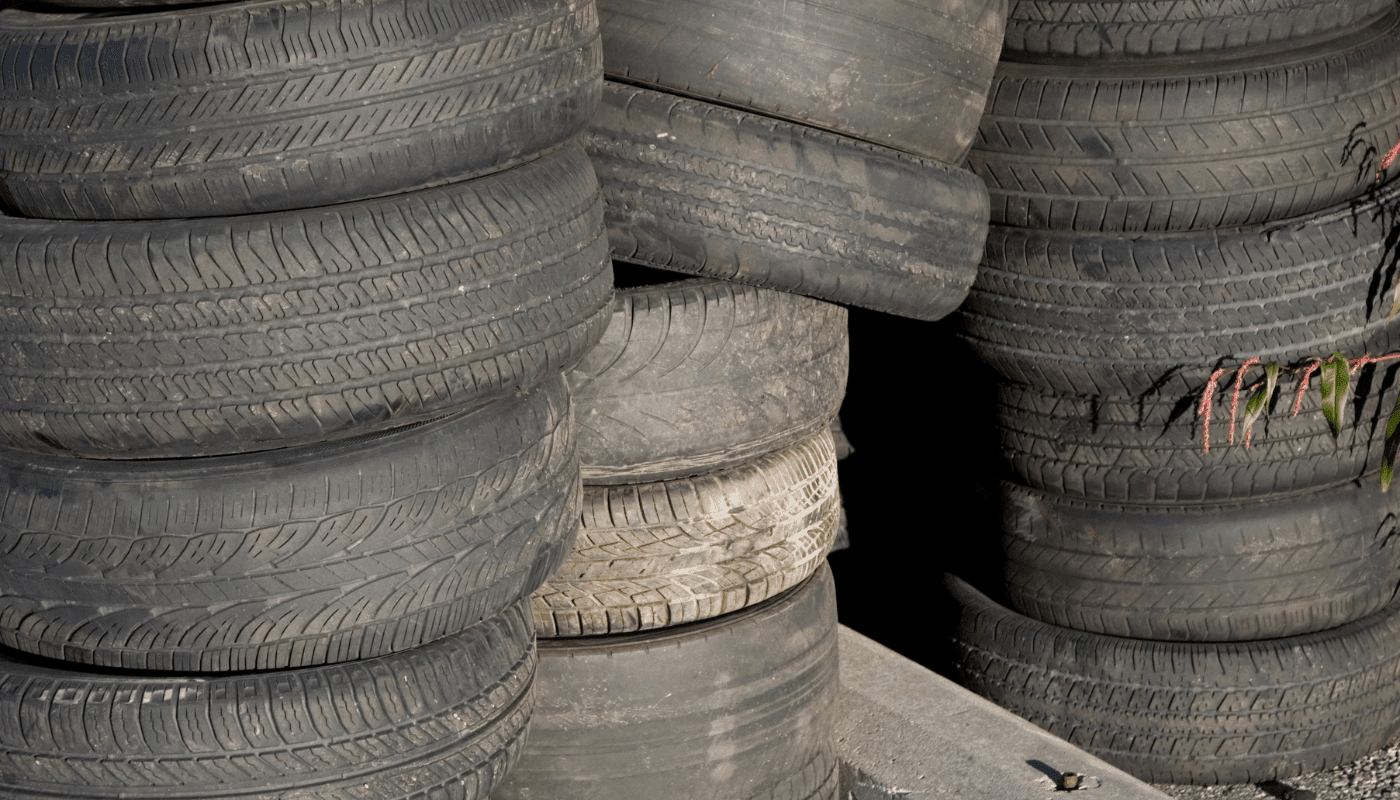
This indicates that something is wrong with your management or that you are not actually managing tires in your operation. When tire losses become excessive, you need to review fleet processes and implement new routine actions.
A tire management plan makes this easier.
2 – If tire costs are too high
High purchasing costs may occur because you are buying more expensive tires in the expectation of better performance and useful life, or, conversely, only buying cheaper models because your tires generally do not last well.
However, the biggest issue is not carrying out appropriate routines for measuring and keeping track of tire data — mainly calibration pressure and tread depth.
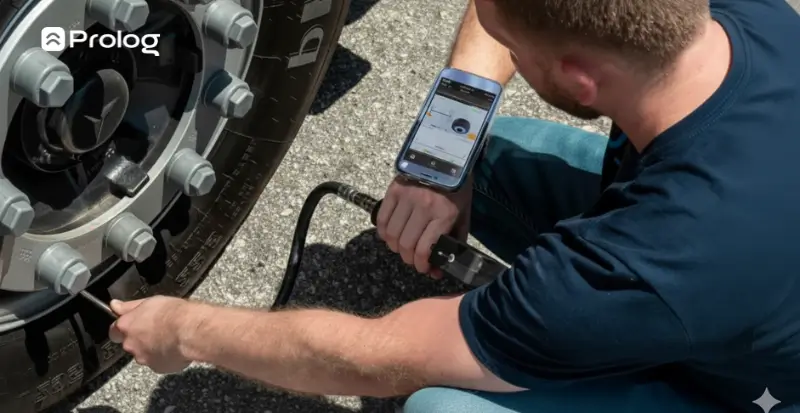
Keeping track of pressure and tread depth variations provides greater insight into tire performance and makes it possible to understand the types of wear tires suffer and their causes.
In addition, the information contributes to calculating tire CPK, a primary indicator for assessing which tire performs best and should be prioritized in your purchases.
In your plan, make sure you identify all fleet tire costs and define a tire inspection schedule, among other tasks that should be carried out (such as washing and tire rotation).
3 – If your tire management lacks a routine or standardized processes
Like any kind of fleet planning, the tire management plan will define the activities, people responsible and tools for carrying out this management in the best possible way.
It should also define the correct way to perform each activity and record the information found, setting the standards needed for better organized management.
After all, without standards, important information may be lost or never even recorded for your control.
Benefits of planning tire management
The main benefits of having a specific plan for the fleet tire management routine are:
- Better organization of employees' routines and greater visibility of fleet tire data for managers;
- Ensuring process standardization for all employees and making it easier to onboard and train new team members;
- Reducing fleet operating costs, mainly by purchasing less frequently and buying models with better performance and durability in the fleet;
- Providing greater transport safety, aiming for better control of tire wear and calibration, which are fundamental to completing a route without the risk of skidding, aquaplaning, tire blowouts, among other issues;
- Increasing lives per tire by avoiding retread rejection.
How do you create a tire management plan?
1 – Gather information about fleet tires
Information such as how many tires the fleet currently has, how many are in use or in inventory, being serviced or set aside for disposal, and how many are new or retreaded.
All of this will help you understand your options for organizing tires.
2 – Determine the plan's goal
To know what to define and explore in your planning, start by setting a goal. After surveying all tires, you can assess whether you have more tires in use or disposed of, for example.
This indicates that your goal could focus on reducing tire disposals.
Other goals that are quite common in transport operations are reducing fleet costs, increasing tire durability and generating more lives per tire.
3 – Gather ideas and actions for fleet tire management
At this stage, a good methodology to use is 5W2H, where you describe what the action is, its goal, how much it will cost and who will be responsible for carrying it out.
Each action should be described in detail, making it easier to distribute them across a fleet schedule, which is the next step.
4 – Distribute actions over time (schedule)
After gathering ideas, select those that make the most sense and should be prioritized, distributing the actions over the weeks and months.
Remember that there are essential tire management stages, such as measuring pressure and tread depth and analyzing disposals. Therefore, make sure they are properly included in the schedule.
5 – Define the metrics and indicators to use
It is essential to have tire management performance indicators to understand whether action planning worked and what can still be improved. Some possibilities include the tire scrapping rate and keeping track of internal tire pressure.
To make this process easier, tire management technologies can be put to good use. These include the electronic tread probe and Prolog App management system. Learn more about this tool in a free demonstration with one of our consultants.
Watch the video too (video in Portuguese):
Frequently asked questions
I am losing fleet tires prematurely. What does this indicate?
My tire costs are high even though I buy good makes. What should I investigate first?
How do I build a tire management plan from scratch?
Which indicators belong in a tire management plan?
What does the fleet gain by formalizing this routine in a plan?
// newsletter
Fleet management content, straight to your inbox
Articles on tires, maintenance and fleet operations. No spam.