Tire pressure sensors: the types and when to use them
 Luiz Felipe 4 min read
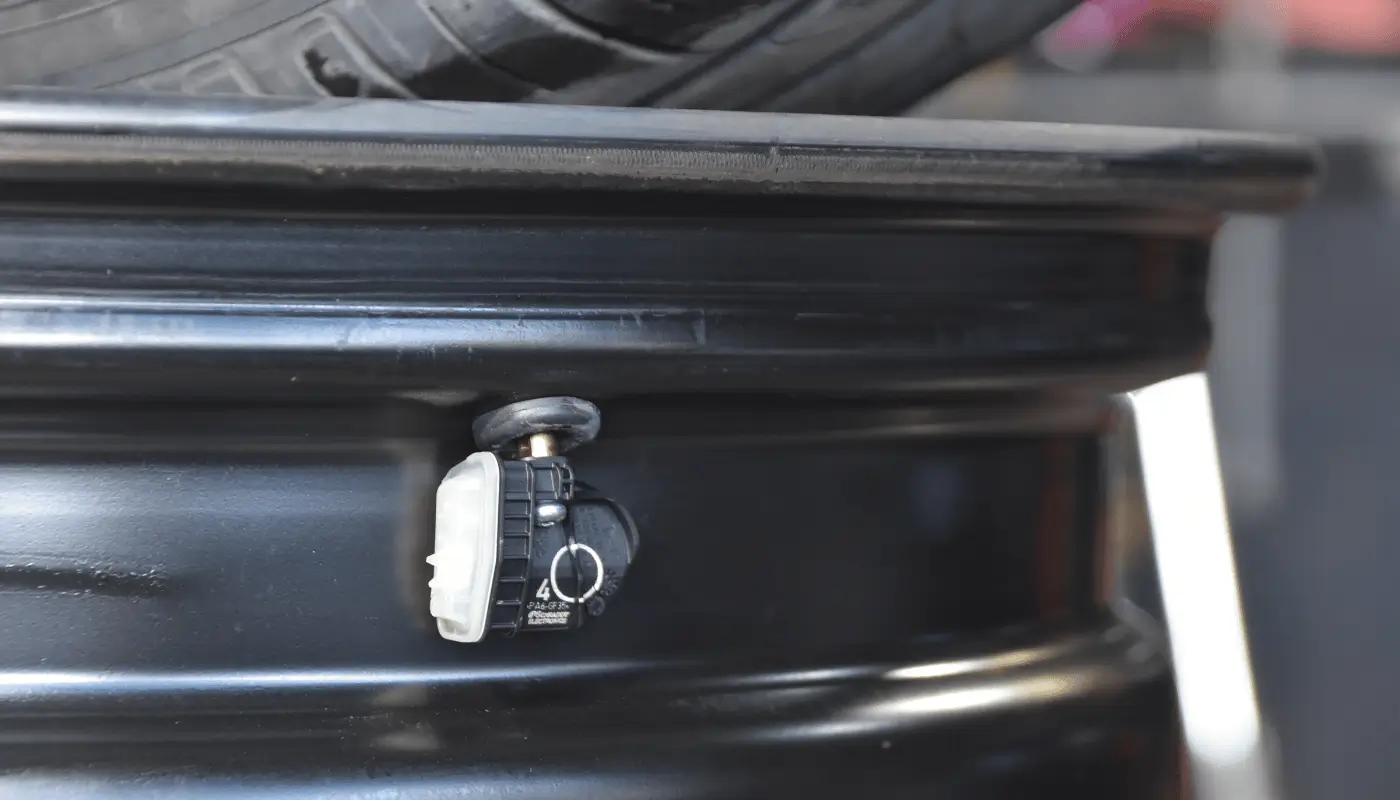
One of the technologies that has been standing out in the transport industry is tire sensors.
These electronic devices are installed on the tire valves or inside the tire itself, and they are used to monitor the pressure of these assets in real time.
In some cases, the sensors can also measure tire temperature, helping identify overheating and related problems.
The goal of this technology is to identify anomalies, allowing quick action to correct possible problems.
And vehicles that use this technology gain benefits of broad interest to fleet managers: fewer accidents and more savings on maintenance, insurance claims and fuel.
Read on:
- What are tire sensors and what are they for?
- Why are they important?
- How do tire sensors work?
- Are they mandatory?
- When should you use tire sensors?
What are tire sensors and what are they for?
In the transport industry, tire sensors are best known by the acronym TPMS, which stands for “tire pressure monitoring system.”
They are electronic devices installed in a vehicle's tires and are used to monitor tire pressure in real time. In addition, they can be useful for keeping track of tire temperature and the condition of the vehicle's internal battery.
All this information is sent to and displayed directly on each vehicle's dashboard, allowing the driver to take immediate measures if there is any problem.
Each tire gets a sensor that must be calibrated at the time of installation to increase the accuracy of the measurements.
Why are these sensors important?
Tire sensors are important because they ensure safety, efficiency and economy in transport operations.
Keeping the correct tire pressure helps prevent accidents, since tires above or below the ideal pressure can compromise the vehicle's stability and grip on the road.
In addition, proper tire pressure improves fuel consumption efficiency, reducing rolling resistance and, consequently, operating costs.
Well-calibrated tires also have a longer useful life, distributing wear evenly and reducing how often tires need to be replaced. In other words, less vehicle downtime and lower maintenance expenses.
How do tire sensors work?
There are two types of sensors: direct and indirect.
In the first case, direct sensors are installed directly on the tire valves or inside the tires. They measure the air pressure of each tire individually and transmit this data to a receiver inside the vehicle.
Generally, this receiver alerts the driver to any inconsistency in tire pressure as soon as it is identified.
Some direct sensors can also measure tire temperature, providing additional information that helps prevent overheating-related problems.
Indirect tire sensors, on the other hand, use the ABS brake system to monitor tire pressure. They do not measure pressure directly, but calculate variations in the wheels' rotation speed to detect changes in tire pressure.
When a tire has low pressure, it has a smaller diameter and therefore turns faster than the other tires. That is what the system can pick up, alerting the driver to possible pressure problems.
Are tire sensors mandatory?
No, sensors are not mandatory. Although in some countries the use of TPMS is a requirement in their legislation, here in Brazil that is not yet the case.
What we have are some laws and regulations concerning the upkeep of vehicles and their components, such as the fine for bald tires.
It is important to keep tires in good condition and calibration always up to date, because it is a matter of transport safety.
When should you use tire sensors?
In some vehicle models, the pressure monitoring system is installed at the factory, and if you have this feature available, it makes sense to use it in your management.
If the vehicle does not have tire sensors installed, it is possible to do this procedure, as long as it is done at a specialized repair shop.
In this case, it is worth doing this installation when you need a method to identify pressure losses while driving, for example, due to punctures and tire damage.
This applies both to passenger cars and to freight transport and passenger transport fleets, since keeping track of tire pressure is essential to keep the operation safe and prevent accidents.
If you do not have such a significant occurrence of tire losses on the road, and you do not have vehicles with TPMS installed, you can choose to simply keep track through electronic tire inspection, which records the data in a tire management system and identifies the variations over time.
This provides an information base for accurate analysis and for optimizing everything from purchasing to tire maintenance.
Want to learn even more about how to optimize your fleet's tire management? Download our free e-book on tire management and discover the best practices, tips and tools. Click here to download it (in Portuguese).
Frequently asked questions
What is TPMS and what is it for?
What is the difference between a direct and an indirect sensor?
Are tire sensors mandatory in Brazil?
When is it worth installing sensors on the fleet's tires?
Is there an alternative to sensors for controlling pressure?
Why does the correct pressure save money?
// newsletter
Fleet management content, straight to your inbox
Articles on tires, maintenance and fleet operations. No spam.