Vehicle management: how to apply it to your fleet
 Luiz Felipe 4 min read
Vehicle management is a strategic and operational way to centralize activities related to a company's vehicles, mainly maintenance, costs, asset use and risk prevention.
It is through vehicle management that a fleet's cost control and risk prevention are assessed more carefully. It should therefore be treated as one of the important factors for a carrier that depends on vehicles to meet deadlines and keep operations safe.
By applying efficient fleet management practices, it is possible to plan better routes, control mileage traveled and also serve more customers. Route planning, when done well, helps reduce kilometers traveled, stops and time in traffic.
Despite all the complexity involved, there are tools, processes and monitoring routines that can make financial and operational success easier for your company. Read on to learn how it works.
What is vehicle management?
Vehicle management is responsible for improving service delivery to customers, as well as reducing fuel costs and maintenance costs for all types of vehicles used by the company.
It can also bring benefits such as:
- Accident and fine prevention;
- Time and money savings;
- Increased productivity;
- Greater work efficiency.
There are various management areas to keep a company's transportation operations running smoothly, such as maintenance management, tire management and driver management. Vehicle management connects with all of them because it looks at asset condition and the costs it generates throughout use.
This is one more part helping your fleet achieve savings and efficiency. It does not replace complete fleet management, but organizes important decisions about maintenance, utilization, purchasing, renewal and spending control.
But what is included in this area? Take a look:
What does vehicle management cover?
- Maintenance: basic procedures such as oil and brake pad changes and tire checks help prevent unexpected events along the planned route. A comprehensive maintenance strategy helps vehicles operate efficiently, correctly inflated tires are safer and last longer, and using the oil recommended by the manufacturer can improve fuel consumption.
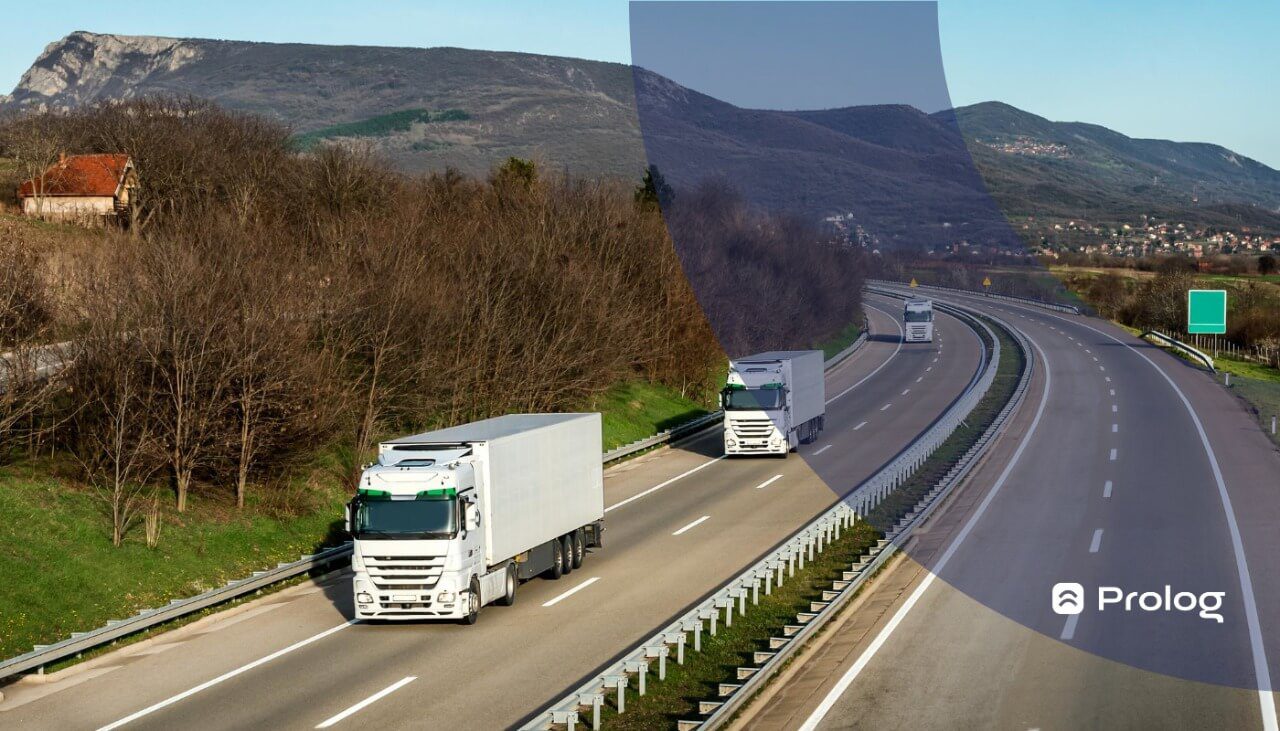
- Route planning: routing brings safety to the vehicle and driver because it avoids poor roads and dangerous routes. In addition, planning optimized routes helps reduce kilometers traveled, stops at traffic lights and time spent in traffic.
- Team training: you need to guide your team with basic information involving more responsible driving, app and system management, as well as traffic laws and their updates. Driver training programs can also help fleets save fuel and money.
- Operational monitoring: keeping track of trucks during trips allows drivers to be helped if something unexpected happens, increasing safety for the vehicle, driver and cargo. This monitoring should be linked to clear communication and decision-making processes, rather than relying only on reactive actions when the issue has already occurred.
- Cost control: with a management system (in Portuguese), it is also possible to detect excessive spending, helping make more competent decisions. Assessing total cost of ownership helps understand direct costs, such as purchasing, and indirect costs throughout the vehicle's life cycle.
What does a vehicle manager do?
The vehicle manager is directly responsible for the economic, technical and mechanical matters of the fleet's trucks. After all, truck management in a vehicle fleet only happens with a qualified professional leading the company's decision-making.
However, the role goes beyond organizing and optimizing costs. Its main tasks include:
- Contributing to increased fleet productivity;
- Avoiding vehicle idle time;
- Developing the workflow for purchasing and renewing fleet vehicles;
- Providing technical support to drivers;
- Optimizing the department's internal processes;
- Keeping track of the maintenance cycle.
In practice, this professional cross-references maintenance, operational and cost information to decide when to act. Total cost of ownership analysis can also support budgeting, resource allocation and supplier assessment because it considers vehicle cost throughout its entire life cycle.
Why is it important to have this pillar in fleet management?
Vehicle management is just one of several elements making up complete fleet management.
However, through it the manager and their team become increasingly prepared to handle occasional emergencies. When maintenance, routes, training and costs are monitored in an organized way, it becomes easier to notice bottlenecks before they compromise delivery.
It also contributes to quality and performance in operations, helping the driver make a successful delivery and providing intelligent management capable of generating reports that bring noticeable business results.
This makes it possible to invest in solutions and tools that provide simple, reliable and accurate data interpretation when making decisions. The value is not only in recording information, but in turning maintenance, usage and cost records into practical decisions for the fleet's routine.
The vehicle manager can then administer operating costs and bring greater efficiency to the carrier. Fleet managers and drivers, when working on maintenance, routes and driving behavior, can improve vehicle efficiency, conserve fuel and save money.
In other words, vehicle management delivers results toward company objectives and goals, provided it is carried out with organization and planning skill. It helps move the fleet away from improvisation, reduces waste and creates a more reliable basis for deciding when to maintain, replace, buy or renew vehicles.
To keep learning about the complexity and how to bring efficiency to your fleet management, explore our complete, free e-book on the subject: click here to start your download (in Portuguese).
Frequently asked questions
My fleet costs are rising and I do not know where to act. Can vehicle management help?
What is the difference between vehicle management and fleet management?
What needs to be covered for a company to practice vehicle management?
Do I need someone dedicated to vehicle management? What does that person do?
How does vehicle management help reduce fuel and maintenance spending?
// newsletter
Fleet management content, straight to your inbox
Articles on tires, maintenance and fleet operations. No spam.