Tire wear: the causes, from the casing to the tread
 Luiz Felipe 6 min read
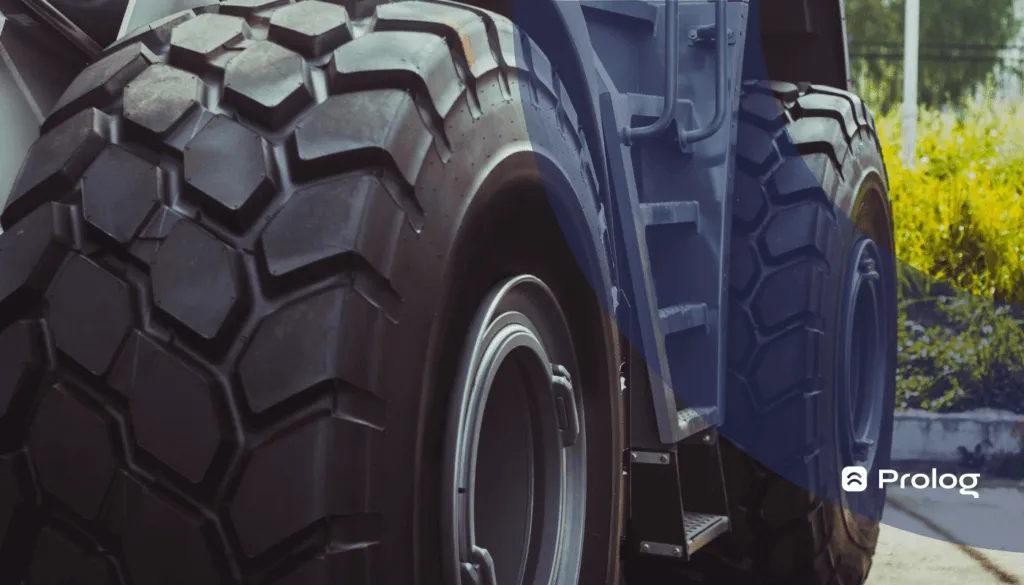
As the person responsible for a truck fleet or for its tire management, you need to understand the types of tire wear and be able to look for solutions to reduce damage to the casing.
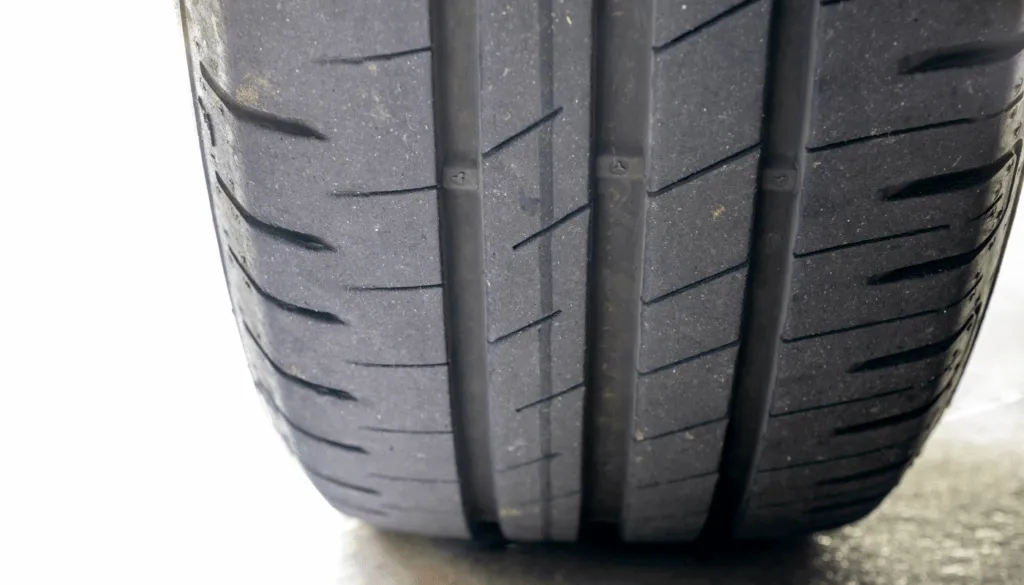
Before any other step, you should already know the TWI (Tread Wear Indicator), a wear indicator that sits inside the tire grooves and indicates the minimum depth the tire can reach, which is 1.6 mm.
Using a tread probe, a tool designed to measure tread depth, we will start the diagnosis and move on to a more precise analysis, looking at the tire and finding out what causes its wear.
What is less well known is that the inner part of the tire, the one facing the inside of the vehicle's structure, also suffers specific damage. That is what we will focus on today:
What causes tire wear in the internal structure?
There is more than one reason behind internal tire wear. The first is misaligned wheels. This issue makes the tires roll at slight angles and rub an inner part of the tire in a region that is not prepared for it, causing wear.
When the wheels are misaligned, the fix involves realigning them. That is why, instead of following the old figure of "10 km driven", alignment should be handled within the fleet's maintenance routine.
Low tire pressure also causes internal wear. How?
Calibration below what is recommended makes the tires run underinflated, right? This reduces the cushioning of impacts on the road and, when the vehicle goes over cracks or potholes, it can cause blows that the internal structure was not designed to take.
In many cases, in fact, you may end up with punctured rubber or bulges, as well as a casing that can no longer be used.
That is why it is important to pay attention to the calibration indicated by the manufacturer and to check it at least once a week, as well as before long trips.
When the driver does not drive defensively, damage to the inner part of the tire also occurs, causing an impact break. In other words, when the tire hits obstacles on the highways abruptly, such as stones, speed bumps and road studs, it creates flaws in the casing.
Want to see this in your fleet? Talk to a Prolog specialist
What are the other types of tire wear and how can they happen?
Unlike wear in the internal structure, all of the types presented below are wear that happens on the tire tread. That is, only on the part of the rubber that is in direct contact with the ground.
Here is a look at each of them:
Center wear
It occurs in the middle of the tread, and what causes tire wear here is high pressure, which makes the tire roll only on the center of the tread, without the shoulders touching the ground. It also affects the truck's balance and puts it at risk of a blowout.
One-sided wear
When the wheels are not aligned and the tire touches the ground "crooked", besides causing internal wear in the tire structure, it has this other consequence:
A worn tire on the side.
In this case, the wear appears on only one side of the tread — the one that stayed in contact with the ground.
Another reason is cargo weighing more than the manufacturer recommends, especially when it is poorly distributed. This makes the tire "flatten" and bend.
Localized wear
This type of wear is very specific. It appears as a "patch" on the tire and occurs due to:
- Harsh braking by the driver;
- Sideways skidding;
- Emergency braking;
- Tire lock-up.
Irregular wear
What causes irregular tire wear is the absence of tire rotation.
However, it is not the only reason!
Besides that, suspension out of adjustment, braking system failures and low calibration can also cause this damage to the tread. Irregular wear is the most common in fleets and one of those you should avoid the most.
Feathered wear
Feathered wear looks like saw teeth, with some "frayed strands". It occurs when the tire is not the right one for the truck, whether because of the cargo carried, the size of the vehicle or the roads it travels on.
Serrated wear
Also as a result of a lack of tire alignment or scraping against surfaces and objects, such as speed bumps or stones, this wear appears on the edges of the tires.
Shoulder wear
The shoulders are the regions that join the center of the tread and its sides.
Generally, wear in this area is due to poorly calibrated tires, leaks and exceeded maximum cargo weight.
Wear from lack of defensive driving
High-speed maneuvers can attack the tread and wear it down, especially in the more rounded regions of the tires, besides increasing the risk of accidents.
Raising drivers' awareness through training is the best solution.
These are the types of wear that can appear on tires and their possible causes. But there are still other types of irregularities that can show up:
What are the other types of tire damage?
We have selected some of the main types of damage that can appear on tires, the ones that occur most often day to day. See what they are and their likely causes:
- Casing fatigue: occurs when the tread is so worn that it damages the internal structure of the wheel.
- Sidewall bulge: lumps that appear on the side of the tire rubber due to the breakage of the steel cords located in the inner part of the tire.
- Belt separation in the tread: the tread belts open up due to lack of calibration.
- Exposed plies/belts at the tire edges: failures in the axles and in the tie rod ends cause the plies to be exposed at the edges of the tires.
- Tread detachment: the tread comes loose from the structure of the wheel.
- Tread cracking: the tire rubber shows cracks and breaks due to lack of lubrication.
- Cuts and punctures: they arise from external factors, on highways in poor condition and roads with sharp or cutting objects on them.
Tread detachment
Detachment deserves its own attention because searches about a detached tire tread tend to point to this type of damage, not to ordinary visual wear. In this post, it is treated as the tread coming loose from the structure of the wheel.
That is why it is worth separating detachment from the types of wear listed earlier, such as center, one-sided, localized, irregular, feathered, serrated, shoulder wear or wear from lack of defensive driving. While those examples describe marks of use on the tread, detachment appears in the list of other types of tire damage.
If you work with these parts that are so important for transport, you need to download our free e-book on tires and improve your knowledge in the field even further. Click here to download it now (in Portuguese).
Frequently asked questions
What is the tire TWI for?
What causes wear on the inner part of the tire?
Tire worn only in the middle of the tread: what is the cause?
Which type of wear is most common in fleets?
How often should tire calibration be checked?
What is tread detachment?
// newsletter
Fleet management content, straight to your inbox
Articles on tires, maintenance and fleet operations. No spam.