Bald tires: risks, accidents and prevention
 Luiz Felipe 5 min read
A vehicle running on worn tires poses dangers to the safety of both your fleet vehicle and others on the road. Understanding the risks of bald tires is therefore essential to ensure greater safety in transportation operations.
Understanding the importance of proper fleet tire management is also a way to prevent these risks and determine the best approach to caring for tires, preventing them from reaching such an advanced state of wear that they become bald.
Learn about the following:
- The risks of bald tires;
- Types of accidents caused by worn tires;
- When a tire goes bald and how to avoid the associated risks.
The risks of bald tires
Loss of grip
One of the most serious risks of bald tires is losing road grip. This happens when tire tread depth has worn down to the point where the tire can no longer provide adequate traction, especially in adverse weather conditions such as heavy rain.
This greatly increases the risk of skidding and losing control of the vehicle, endangering not only the fleet driver but also other drivers on the road.
Longer braking time
Bald tires reduce the vehicle's braking ability. With less road grip, the time required for the vehicle to stop after the brakes are applied increases considerably.
This becomes especially dangerous in emergencies, where a longer braking distance can result in collisions.
Uneven wear
Uneven wear means some tire areas may be more worn than others, compromising vehicle stability.
It can also indicate mechanical issues in the vehicle, which, if left uncorrected, further increase the risks of bald tires.
Hydroplaning
Worn tires no longer have their grooves, meaning they cannot effectively evacuate water from the road surface.
This can lead to hydroplaning, where the vehicle loses contact with the ground and slides over water. The driver can then lose control of the vehicle, resulting in accidents.
Higher fuel consumption
When tires are worn and bald, contact between the tire and the road surface increases because there is less tread, which can lead to increased friction.
As a result, fuel consumption tends to be higher, affecting both fleet operating costs and additional pollutant emissions.
Premature component wear
One risk of bald tires is causing premature wear to other vehicle components, such as the suspension and steering system. This happens because of increased vibration and stress on vehicle parts due to the lack of cushioning from tires in poor condition.
Premature wear of these components not only results in additional maintenance costs but can also lead to safety issues.
Fines and penalties
Driving with bald tires or other vehicle components in poor condition violates traffic laws in Brazil.
Drivers and fleets caught with tires in poor condition can face fines and penalties in Brazil, including vehicle impoundment in more serious cases.
Types of accidents caused by worn tires
Skidding and loss of control
Worn tires are more prone to skidding, especially on wet or slippery roads.
When a vehicle skids, the driver loses control and may be unable to avoid collisions with other vehicles or objects, or even leaving the road.
Collisions
The driver may be unable to stop in time to avoid a collision with a vehicle ahead or in slow traffic because of lost tire grip and increased braking time.
Collisions can occur more frequently when tires are in poor condition, causing property damage and injuries to those involved.
Tire blowouts
A lack of rubber can cause bald tires to tear or even blow out while the vehicle is moving. This can damage the vehicle, injure occupants and pose a threat to other drivers on the road.
Leaving the road
Worn tires cannot provide the necessary traction, especially on bends. This can cause road departures, where the vehicle leaves the road and collides with obstacles.
Accidents in adverse conditions
In adverse conditions, such as heavy rain or fog, a lack of grip can lead to accidents because tires cannot respond correctly to braking commands.
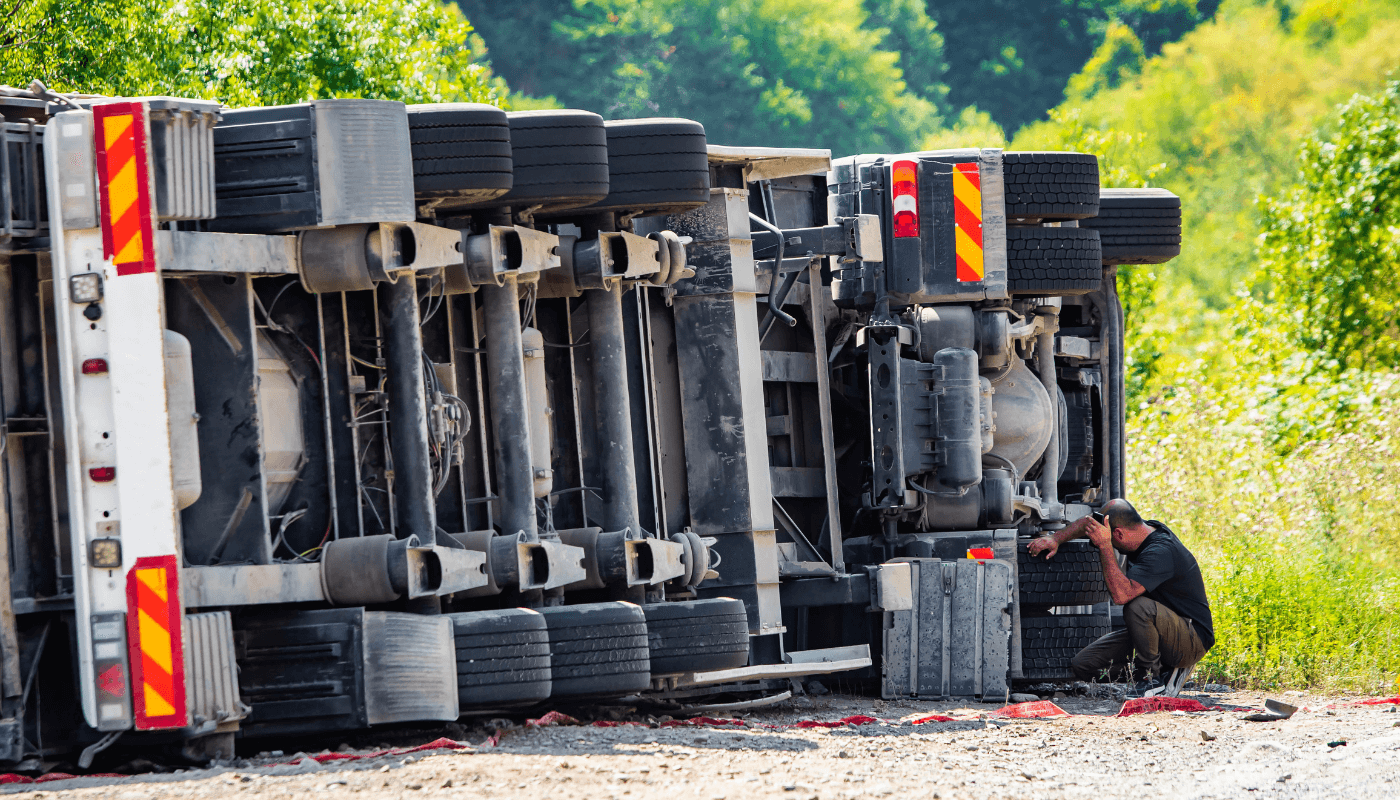
Tipping over or rolling over
Bald tires can contribute to tipping or rollover incidents, especially in taller vehicles such as trucks and buses.
When tires cannot provide adequate traction on bends or during evasive maneuvers, the vehicle can slide, especially on wet roads, and tip over.
Mechanical failures
Increased vibration from uneven wear can damage the suspension, steering system and other components, and these mechanical failures can result in road accidents.
Keeping tires in good condition is therefore essential to prevent mechanical failures and reduce accident risk.
When does a tire go bald and how can you avoid the associated risks?
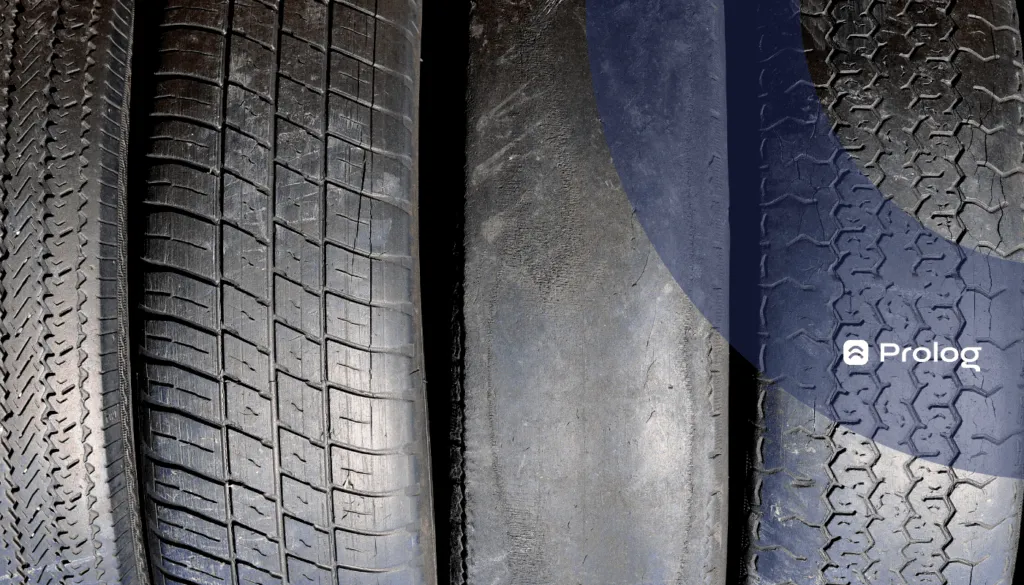
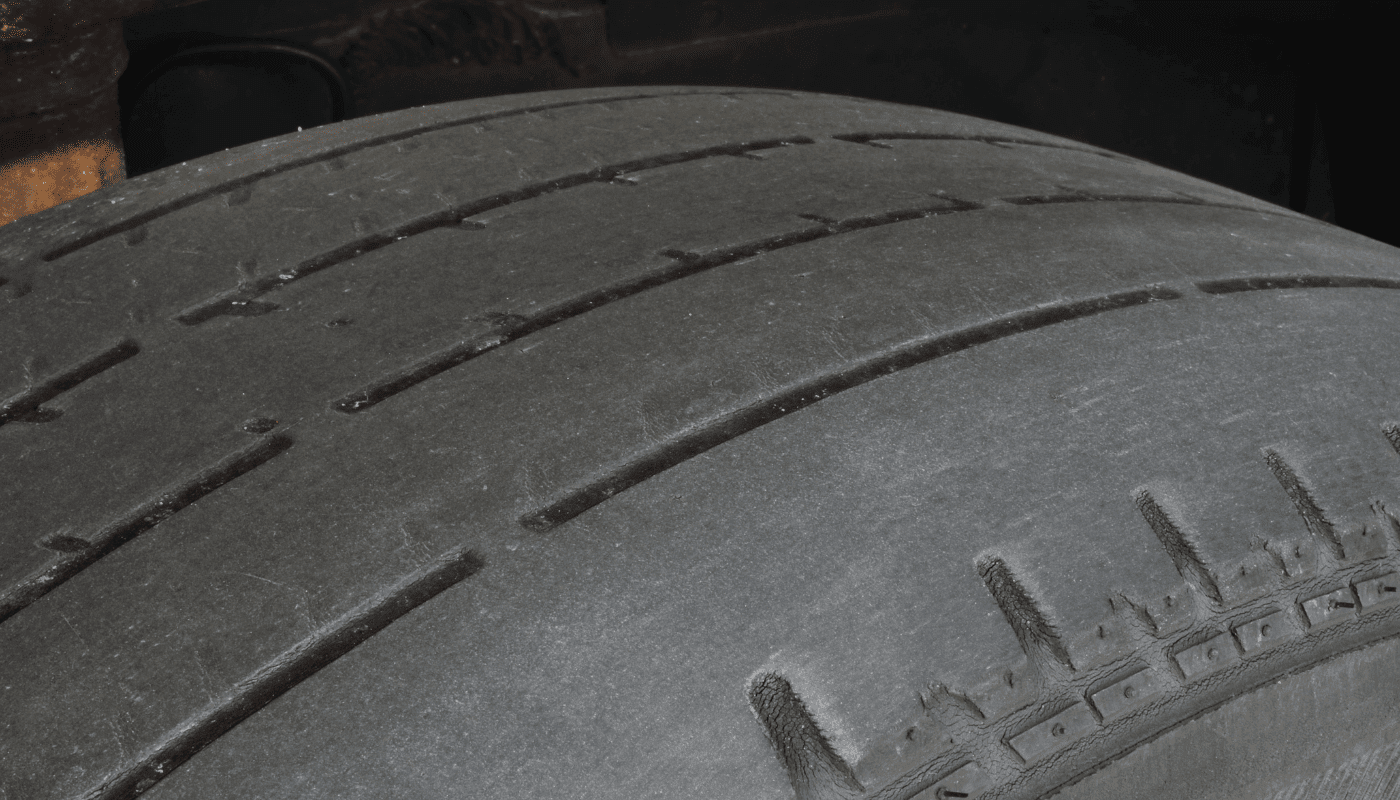
A tire is considered bald when its tread reaches a critical level of wear, usually indicated when the grooves are level with the tire surface.
One indication of a bald tire is tread depth falling below the minimum limit of 1.6 mm — which is also established by Brazilian law.
In this case, the tire's ability to grip the road and provide traction is already compromised.
How quickly a tire goes bald depends on several factors, including tire quality, frequency of use, driving conditions and proper maintenance.
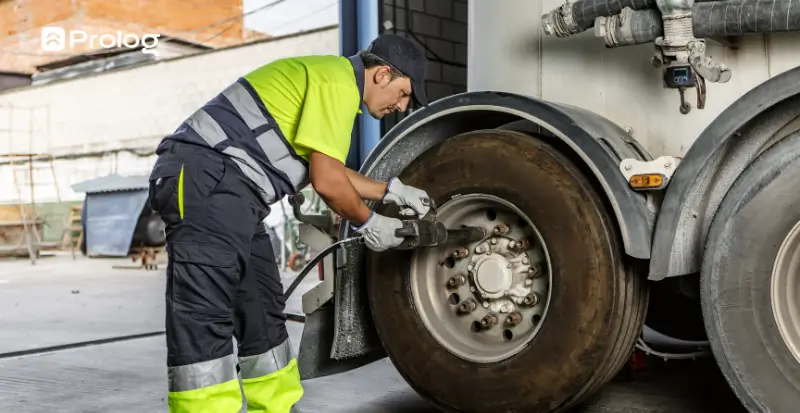
To avoid the risks of bald tires, a tire management and preventive maintenance routine is essential, including activities such as regular checks of tire tread depth, calibration to the ideal pressure and ensuring tires are replaced when they reach a certain wear limit.
By adopting these preventive measures, it is possible to prevent tires from reaching the bald stage, reducing accident risks and ensuring safety in transportation operations.
For this proper control, you can start using a tire management system. Discover this technology that will revolutionize results and safety in your transportation operations!
Frequently asked questions
When is a tire considered bald?
What types of accidents can worn tires cause?
Can driving on bald tires lead to a fine?
Why do bald tires increase fuel consumption?
How can you prevent fleet tires from going bald?
Why do bald tires increase braking distance?
// newsletter
Fleet management content, straight to your inbox
Articles on tires, maintenance and fleet operations. No spam.