Good, affordable tires: what to look at beyond price
 Luiz Felipe 5 min read
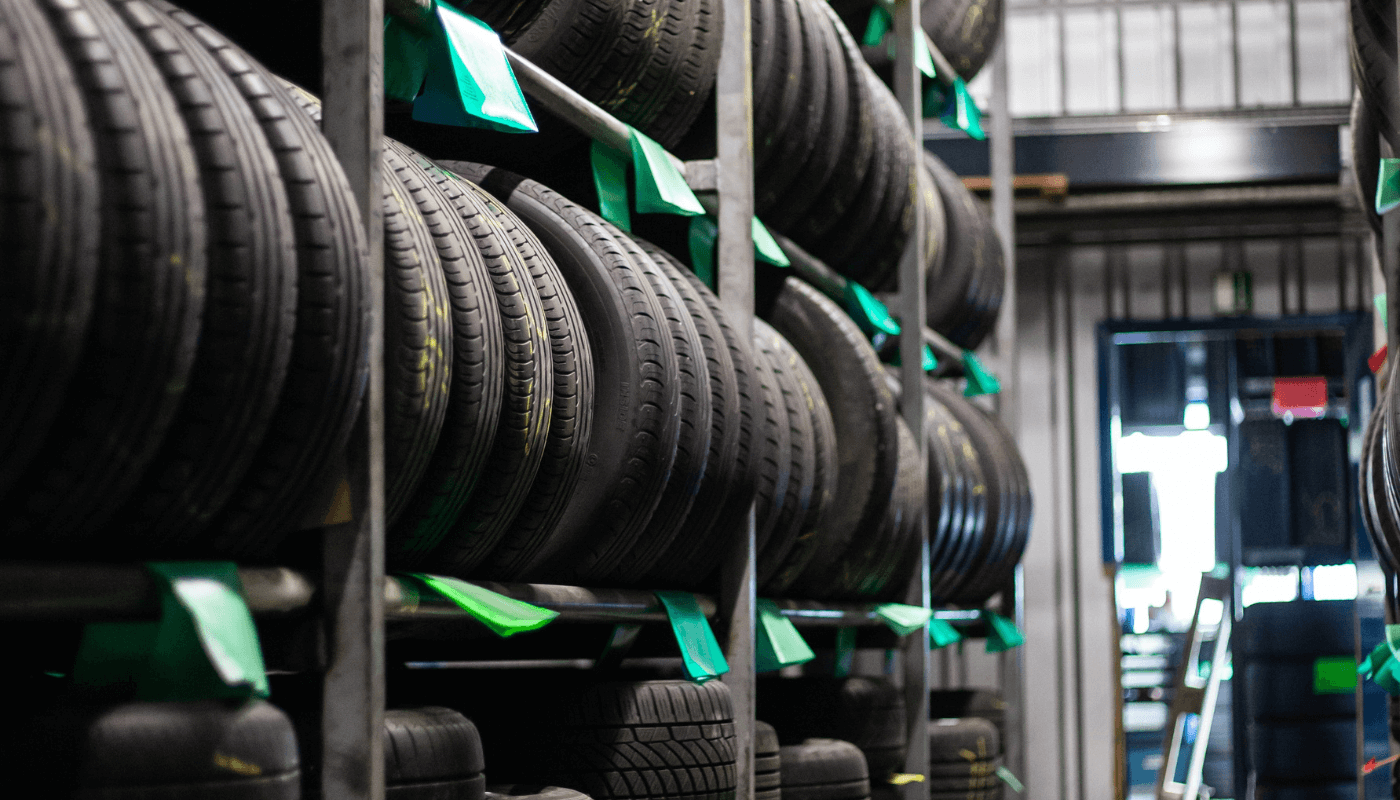
When looking for new tires, managers commonly search for the cheapest tires. The intention is legitimate: reduce costs and keep the fleet running safely without compromising the operating budget.
In practice, however, things work a little differently. The cheapest tire is not always the one with the lowest purchase price, but the one that performs best throughout its time in transportation operations.
The cheapest tires are usually second-tier models. In this case, they can wear out faster or fail to provide adequate grip on the road. These factors harm the vehicle, increase fuel consumption and can compromise transportation safety in some situations. When replacing tires, size, load index and speed rating are also part of the assessment because they indicate tire dimensions and performance limits.
To understand how to choose affordable tires that actually bring the savings your operation needs, keep reading:
- Which tires are the cheapest?
- Which tires sell the most?
- Which tire is used most in Brazil?
- What makes a tire affordable?
- How do you assess and choose a tire?
Which tires are the cheapest?
Generally speaking, the best answer is that the cheapest tires are those that deliver better results for your fleet, even if they are not the models with the lowest purchase price.
However, the answer depends on another initial question: which tires does your fleet need? This matters because there are various types of tires, each with specific functions, and the wrong choice can cancel out the savings made at purchase.
For example, there are summer and winter tires, models for paved roads and off-road use on rough terrain, as well as tires with different levels of traction, for low, medium and high severity. On wet roads, newer tires tend to provide better grip than worn tires, especially when selection and maintenance match vehicle use.
In addition, even if the lowest-priced tire performs well, you will only enjoy all its benefits with proper management. Otherwise, it can end up becoming expensive, and you will find that your fleet continues to waste resources.
Which tires sell the most?
The list of best-selling tires can vary according to purchase region, vehicle type, fleet application, distributor availability and prices at the time. Without an up-to-date ranking source, the safest approach is to treat the list as a reference for well-known truck tire makes, rather than a fixed sales ranking. They include:
- Pirelli;
- Bridgestone;
- Goodyear;
- Michelin;
- Continental.
These makes already have a market reputation and are usually recognized for their quality. However, remember that every operation has its own characteristics and particularities, so you should base your choices on what you observe and analyze in your own fleet's operation. The purchase price needs to be compared with performance, suitability for the route, load support, operating speed, fuel consumption and ease of maintenance.
Which tire is used most in Brazil?
In Brazil, there is also no single answer that applies to every fleet without considering segment, region, axle, cargo type and road conditions. Makes such as Pirelli, Bridgestone and Michelin frequently appear among the options fleets consider, but that does not mean one of them is automatically the best choice for all vehicles.
Before relying only on the most familiar make, you need to assess factors such as the type of road your fleet travels on and the average speed on that route. These factors help identify the best model to purchase, so you can look for makes with alternatives that meet the fleet's specific needs. It is also worth checking whether the tire meets the size, load index and speed rating required for the vehicle.
What makes a tire affordable?
A tire can be considered affordable when it offers the fleet good value for money, meaning a balance between purchase price and the quality it delivers in performance, safety, preservation and operating efficiency.
What determines a tire's price?
Some factors considered in setting a tire's price include construction type, material composition and technology used.
The better the tire's raw materials, the higher its price tends to be. Likewise, manufacturing with a manual construction process can be more expensive than production using machine construction.
Tire technologies, such as self-sealing or noise reduction, can also make a tire more expensive. That is why comparing only sticker prices can lead to an incomplete decision: the chosen model needs to be compatible with the load, operating speed, route type and fleet usage pattern.
How do you assess and choose a tire?
To do this, you need to assess each tire's specifications and characteristics, including:
- Size and dimensions
Each vehicle has a recommended tire size that contributes to proper operation and helps prevent damage to both tire and vehicle. Identify this standard in the vehicle manual and check the code on the tire sidewall, where standardized information on dimensions and performance limits is recorded.
- Load index and speed rating
Every tire also has a maximum supported load and speed, which must be respected to improve its preservation and durability. When choosing a model for the vehicle, it is important to consider this aspect and select one suited to your operation's needs. A replacement tire must not have a smaller size or lower load capacity than the vehicle's original specification.
- Tread design
The groove pattern, which forms the tread design, determines the level of traction, stability and ability to channel water and air.
Directional tires, for example, are ideal for wet roads because they allow water to pass through better. You need to identify your needs and understand tread types to know which to choose for your fleet.
It is useful to understand the treadwear rating as a comparative wear reference between tires, especially when comparing within the same make and product line. It should not be confused with TWI, the physical wear indicator on the tread. When deciding on a purchase, use this information alongside size, load, speed, tread design, vehicle application and the fleet's actual history.
Did you know there are specialized systems to care for your fleet's tires? With them, you can keep track of recorded tire information and understand their value for money more quickly and accurately.
Learn more and see how it works in a free demonstration — get in touch to book the time slot that works best for you.
Frequently asked questions
Which tires are the cheapest for a fleet?
What determines a tire’s price?
Which truck tire makes sell the most?
What should you assess before buying a tire?
Can a cheap tire end up being expensive?
Why is the best-selling make not always the best choice?
// newsletter
Fleet management content, straight to your inbox
Articles on tires, maintenance and fleet operations. No spam.